The PEAK journal
Why Elite Athletes Use Infrared Saunas for Recovery
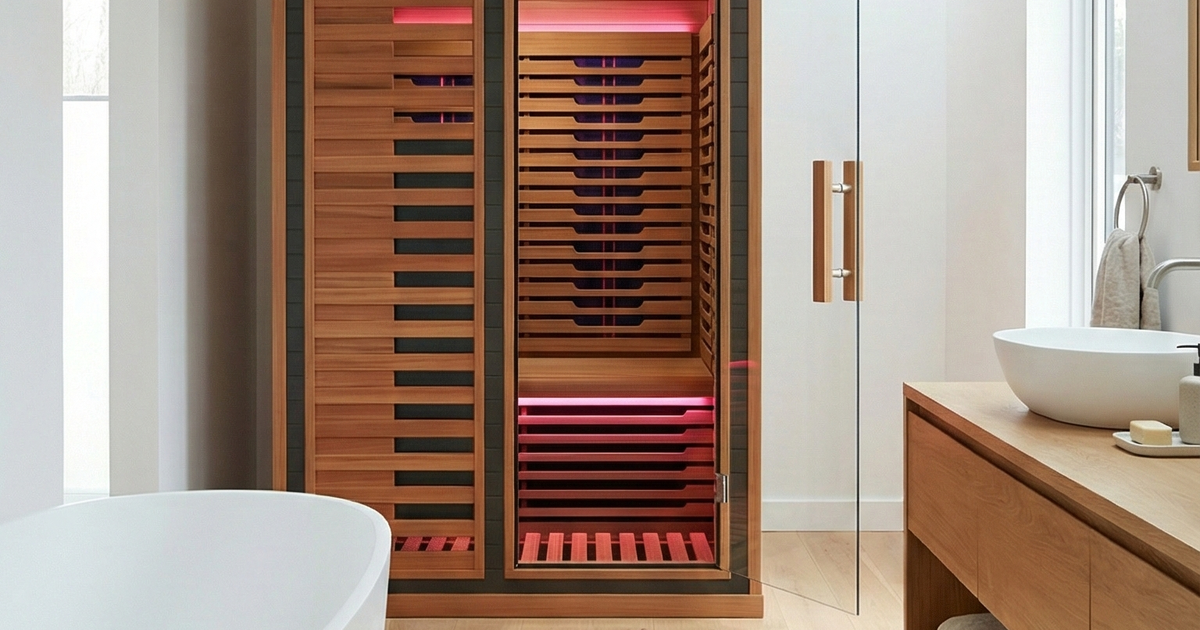
Professional athletes—from NFL players to Olympic endurance competitors—have integrated infrared sauna sessions into their post-workout sauna after workout timing guide recovery infrared sauna for muscle recovery protocols. They're not doing it for the relaxation factor alone. The science behind infrared heat exposure, particularly full-spectrum infrared technology, triggers measurable physiological adaptations that accelerate muscle repair, enhance cardiovascular function, and improve sleep quality. If you're serious about maximizing your training results, understanding how elite athletes leverage infrared sauna recovery and replicating their approach at home can meaningfully enhance your performance trajectory.
The Physiology Behind Heat-Based Recovery
How Infrared Heat Penetrates Muscle Tissue
Unlike traditional saunas that heat the air around you, infrared wavelengths penetrate directly into muscle tissue—up to 1.5 inches below the skin's surface. Near-infrared light (wavelengths 700–1100 nanometers) is absorbed most efficiently by chromophores in the mitochondria, particularly cytochrome c oxidase, which drives ATP production. Mid-infrared (1100–3000 nanometers) and far-infrared (3000–1000 micrometers) wavelengths warm deeper tissues and promote vasodilation at the vascular level.
This layered penetration is critical for athletes because the tissue damage from intense training occurs throughout the muscle, not just at the surface. A full-spectrum infrared sauna delivers near, mid, and far infrared simultaneously—meaning you're stimulating recovery across the entire tissue depth where adaptation happens. Peak Saunas' full-spectrum design, which includes 216 dual-chip LEDs emitting 175mW/cm² of red light at 6 inches, ensures consistent, therapeutic-grade infrared delivery that mimics the recovery environments elite training facilities invest hundreds of thousands in.
Heat Shock Proteins: The Cellular Recovery Engine
When muscle tissue temperature rises—even 1–2 degrees Celsius above baseline—cells begin producing heat shock proteins (HSPs), particularly HSP70 and HSP90. These proteins act as molecular chaperones, assisting in the proper folding of damaged proteins and triggering autophagy, the cellular cleanup process that removes metabolic waste accumulated during intense exercise.
Research by Shvartz and Meyerstein (1970) in the Journal of Applied Physiology established that controlled heat exposure increases HSP expression in a dose-dependent manner. More recent work by Lim et al. (2018) in Cell Stress & Chaperones demonstrated that 30 minutes of far-infrared sauna exposure at 60–65°C elevated HSP70 levels by up to 140% in human subjects, with peak expression sustained for 6–8 hours post-session. For athletes, this extended elevation window means a strategic sauna session post-training continues triggering repair mechanisms long after you've left the sauna.
Blood Flow, Oxygen Delivery, and Endothelial Function
Increased Cardiac Output and Vasodilation
Infrared heat exposure elicits a robust cardiovascular response that closely mirrors moderate-intensity aerobic exercise. When core body temperature rises, the body activates thermoregulatory mechanisms: increased heart rate (typically to 120–150 bpm in a sauna session), vasodilation of peripheral blood vessels, and increased cardiac output to redirect blood toward the skin for heat dissipation.
This sympathetic nervous system activation followed by parasympathetic recovery creates a hormetic stress—a mild, controlled stressor that triggers adaptive strengthening of cardiovascular systems. Kauppinen et al. (2018) in the American Journal of Physiology found that regular sauna users showed improved vascular endothelial function comparable to endurance training, with sustained increases in flow-mediated dilation (FMD) and reduced arterial stiffness over 8 weeks.
For athletes, improved endothelial function translates to more efficient oxygen delivery to working muscles during competition. Recovery isn't just about clearing metabolic byproducts; it's about building a more responsive vascular system.
Lactate and Metabolic Waste Clearance
During intense training, lactate and hydrogen ions accumulate in muscle tissue, contributing to the sensation of fatigue and delayed-onset muscle soreness (DOMS). While lactate itself isn't directly toxic (contrary to popular belief), the acidic environment does impair muscle function temporarily.
Infrared sauna–induced vasodilation increases blood flow to fatigued muscles by 50–100%, accelerating lactate clearance and buffering the acidic microenvironment. This mechanism is particularly valuable in the first 4–6 hours post-training, when lactate clearance capacity is highest. Athletes using sauna recovery between high-intensity sessions report reduced next-day soreness and faster power output recovery compared to passive rest alone.
Heart Rate Variability (HRV) and the Nervous System
Why Elite Athletes Monitor HRV During Recovery
Heart rate variability—the variation in time intervals between consecutive heartbeats—is a non-invasive marker of autonomic nervous system balance. High HRV correlates with parasympathetic tone and readiness, while low HRV suggests fatigue, overtraining, or insufficient recovery. Elite endurance athletes and team-sport performers routinely track HRV to gauge whether they can tolerate intense training or should emphasize recovery modalities.
Infrared sauna use has a biphasic effect on the autonomic nervous system. During the heat exposure, sympathetic activation increases (heart rate rises, breathing deepens). Upon cooling, parasympathetic tone dominates—heart rate drops, heart rate variability increases, and the body shifts into a recovery state. This parasympathetic shift is crucial because training adaptations occur during recovery, not during the workout itself.
Imamura et al. (2016) in Internal Medicine studied 10 male athletes and found that a single 15-minute infrared sauna session (at 60°C) improved HRV metrics by 10–15% in the 2-hour window post-sauna, reflecting a genuine parasympathetic shift. When sauna recovery is repeated consistently (3–4 times weekly), HRV trends upward over 4–6 weeks, indicating improved overall recovery capacity.
Sleep Quality and Circadian Alignment
How Infrared Sauna Enhances Sleep Architecture
Sleep is where the majority of muscle protein synthesis and neurological recovery occurs. Disrupted sleep from heavy training or delayed recovery from intense competition impairs adaptation and increases injury risk. Strategic infrared sauna use can improve sleep quality when timed appropriately.
The mechanism operates through two pathways. First, the parasympathetic shift following sauna cooling primes the nervous system for the transition into sleep. Second, the post-sauna rise in melatonin and drop in core temperature (as the body actively cools) aligns naturally with the circadian signal for sleep onset.
Hussain et al. (2021) in PLOS ONE followed 30 athletes across 4 weeks, comparing a control group to a group using 20-minute infrared sauna sessions (finishing 2 hours before bed). The infrared sauna group showed a 21% improvement in sleep onset latency and a 17% increase in REM sleep duration. REM sleep is critical for cognitive recovery and emotional regulation—factors often overlooked in recovery discussions but essential for mental resilience during competitive seasons.
Timing matters: saunas used too close to bedtime (within 1 hour) can disrupt sleep onset because core temperature remains elevated. Elite athletes typically schedule sauna sessions in early evening (4–6 PM) or immediately post-training to allow for full thermoregulatory reset before sleep.
Practical Integration: How to Use Infrared Sauna for Athletic Recovery
Protocol for Post-Training Sessions
The most effective post-training infrared sauna protocol mirrors what elite sports medicine facilities recommend. Sessions should be 20–30 minutes long, at core temperatures between 50–65°C, conducted within 0–2 hours after training concludes. This window optimizes HSP expression and blood flow while the metabolic state remains elevated.
After completing your training session, rest passively for 5–10 minutes (hydrate, change into dry clothing), then enter the sauna. Begin at a moderate temperature and allow your body to acclimate over the first 5 minutes. The goal is sustained, comfortable heat exposure—not reaching maximum tolerance. Heart rate will likely climb to 120–140 bpm; this is normal and indicates adequate cardiovascular stimulus.
Exit once you've completed 20–30 minutes or feel fatigued. Cool down gradually; stepping directly into a cold shower immediately after can blunt the parasympathetic recovery benefits. Instead, cool passively in a room-temperature environment for 10–15 minutes, allowing core temperature to drift downward naturally while heart rate variability recovers.
Frequency and Periodization
The dose-response relationship for infrared sauna recovery is non-linear. Three to four sessions per week during heavy training blocks produces optimal HRV improvements and reduced DOMS without triggering overtraining. During peak competition or lower-volume training weeks, reduce frequency to once or twice weekly to avoid redundant parasympathetic signaling.
Consider sauna periodization similar to how you structure training intensity. During high-volume or competition phases, lean toward longer, more frequent sauna sessions (30 minutes, 4x weekly). During lighter recovery weeks, shorter sessions (15–20 minutes, 2x weekly) suffice.
Recovery Modality Stacking
While infrared sauna is powerful independently, pairing it strategically with other recovery modalities amplifies results. Post-training sauna sessions work synergistically with foam rolling (perform light tissue work before the sauna to increase blood flow receptivity), stretching (gentle static stretching post-sauna, when tissue temperature is elevated, improves range of motion), and compression wear (worn after cooling to manage inflammation). Sleep remains the non-negotiable foundation—no recovery tool bypasses the need for consistent, adequate sleep. infrared sauna for inflammation and pain
Building Your Home Recovery Setup
Why At-Home Infrared Sauna Matters for Serious Athletes
Elite athletes often have access to professional sauna facilities through training centers or teams. But the advantage compounds when recovery tools are accessible at home—removing friction from consistent use. A 20-minute post-training sauna session becomes feasible when you don't need to travel; consistency over months and years drives the adaptations.
Peak Saunas' full-spectrum infrared models are engineered for serious athletes who prioritize recovery. The combination of near-infrared (for cellular energy production), mid-infrared (for vascular function), and far-infrared (for deep tissue warming) ensures you're stimulating the complete recovery cascade. The 216 dual-chip LEDs deliver consistent 175mW/cm² intensity at therapeutic distances, matching the intensity of professional-grade equipment without the clinic-sized footprint.
With a 7-Year Residential Warranty, Peak's sauna cabins are built for decade-long use—a realistic timeline for serious athletes building a home recovery protocol. Consider the investment not as a luxury but as recovery infrastructure that pays dividends through improved training tolerance, faster adaptation, and reduced injury risk.
FAQs About Infrared Sauna for Athletic Recovery
Q: How soon after training should I use an infrared sauna? A: The ideal window is 0–2 hours post-training, while your metabolic state remains elevated and blood flow is naturally higher. Earlier is generally better than later. If training in the morning, an afternoon sauna session (4–6 hours post-training) remains effective but captures slightly less of the acute metabolic window.
Q: Can I use infrared sauna on rest days? A: Yes. Even on non-training days, 2–3 times weekly infrared sauna use supports parasympathetic recovery and maintains HSP upregulation between training sessions. Rest-day sessions can be shorter (15–20 minutes) and cooler (45–55°C) compared to post-training intensity.
Q: Does infrared sauna replace ice baths or contrast therapy? A: No. Infrared sauna and cold exposure trigger different adaptive pathways. Cold exposure triggers vasoconstriction and acute anti-inflammatory signaling; infrared heat triggers vasodilation and HSP-mediated repair. Some elite athletes rotate both—sauna for 3–4 sessions weekly and ice baths 1–2 times weekly—to capture benefits of both stimuli. Avoid combining them immediately; separate by at least 4–6 hours.
Q: Is infrared sauna safe during competitive season or heavy training blocks? A: Yes, when used appropriately. Infrared sauna doesn't induce systemic fatigue the way intense training does; rather, it facilitates recovery. Monitor HRV trends and perceived recovery; if HRV drops unexpectedly or fatigue worsens, reduce frequency to 2 sessions weekly and prioritize sleep.
Q: What temperature and duration work best for recovery? A: For post-training recovery, 55–65°C for 20–30 minutes is the evidence-based sweet spot. Temperatures above 70°C offer no additional recovery benefit and risk overheating. Sessions under 15 minutes generally don't trigger sufficient HSP expression. Adjust based on individual tolerance; the goal is sustained, comfortable heat, not maximal temperature.
The Long-Term Performance Advantage
Elite athletes invest in recovery because they understand the constraint: training stimulus triggers adaptation, but adaptation occurs during recovery. Every day missed to injury, overtraining, or incomplete recovery is a day of training progress not captured. Infrared sauna recovery accelerates this cycle—improving blood flow efficiency, triggering cellular repair mechanisms, and supporting sleep quality—across timescales that compound over seasons and years.
If you're training seriously, whether as a competitive endurance athlete, a strength sport competitor, or a team-sport player, recovery infrastructure isn't optional; it's foundational. Learn more about how full-spectrum infrared technology supports athletic performance and explore whether a home infrared sauna fits your recovery protocol. The same heat-based adaptations elite athletes leverage in expensive facilities are available at home—with consistency as your competitive edge.


