The PEAK journal
Alcohol Before Sauna: Safety, Risks & What You Should Know
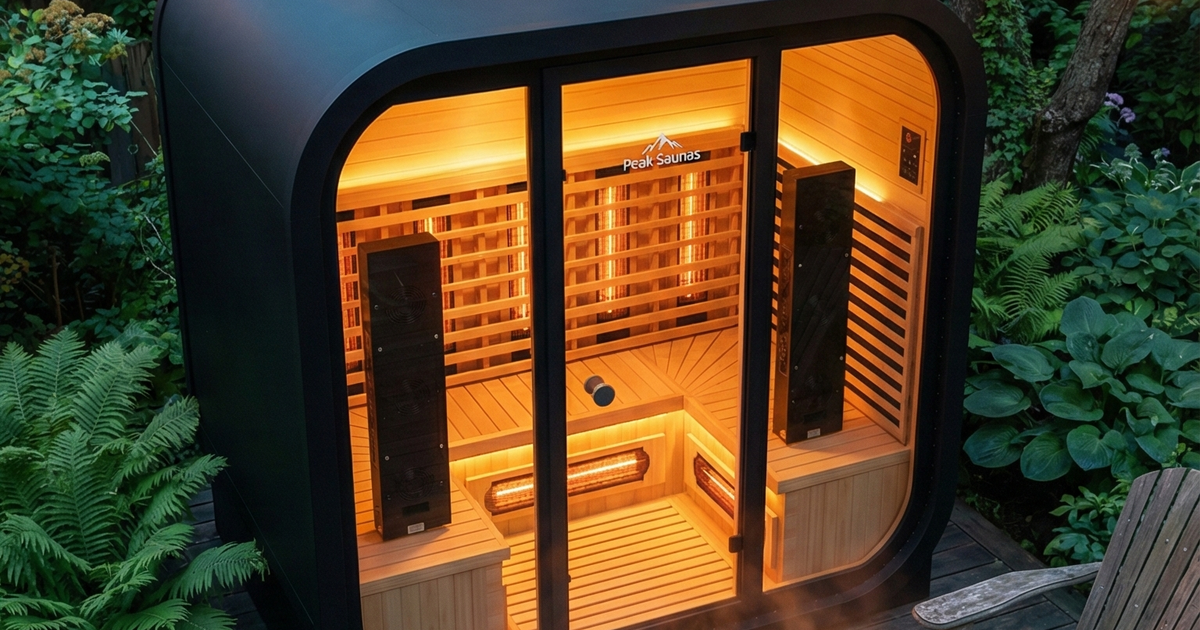
The Direct Answer: Don't Drink Alcohol Before Your Infrared Sauna Session
Drinking alcohol before an infrared sauna session is unsafe and should be avoided. Alcohol impairs your body's ability to regulate core temperature, accelerates dehydrat sauna dehydration preventionion, increases cardiovascular strain, and can mask dangerous signs of heat illness. Combined with the core-temperature elevation that infrared saunas produce—reaching 101.3°F or higher in session—alcohol substantially raises your risk of dizziness, fainting, arrhythmias, and acute cardiac events. Medical consensus and sauna safety guidelines universally recommend waiting until after your session and rehydration to consume any alcoholic beverages. sauna safety tips
Why Alcohol & Infrared Sauna Don't Mix: The Physiological Reality
When you step into an infrared sauna, your core temperature rises as your body absorbs radiant heat at wavelengths across the 8 wavelengths (630–1060nm) spectrum. This is a controlled, predictable thermal stress—but only if your cardiovascular and thermoregulatory systems are functioning normally.
Alcohol disrupts that balance in three critical ways:
1. Impaired Thermoregulation
Alcohol is a vasodilator: it causes blood vessels near the skin to expand, flushing heat away from your core faster than your body intends. This sounds beneficial, but it creates a false sense of comfort while your core temperature may still be rising dangerously. Your brain's temperature-control center—the hypothalamus—becomes less responsive to thermal signals when alcohol is present, so you lose the ability to sense overheating in real time.
2. Accelerated Dehydration
Alcohol is a diuretic: it suppresses the antidiuretic hormone (ADH) that normally tells your kidneys to conserve water. Your body loses more fluid through sweat and urine than it replaces, and you may not feel thirsty. In an infrared sauna, where sweating is one of the primary therapeutic mechanisms, adding alcohol-induced fluid loss creates a dangerous compounding effect. Severe dehydration can trigger muscle cramps, fainting, and kidney stress.
3. Cardiovascular Instability
Alcohol lowers blood pressure and increases heart rate—both independently of heat stress. When combined with the cardiovascular demands of an infrared sauna session (where heart rate and blood-flow demands naturally increase), the result is unpredictable: your heart may be forced to work harder to maintain blood pressure while your actual perfusion (oxygen delivery to tissues) is compromised. For anyone with underlying hypertension, arrhythmias, or coronary risk, this is particularly hazardous.
The Cardiovascular Risk: Why Your Heart Is the Primary Concern
Research on sauna safety, though primarily conducted on traditional Finnish saunas, has established that sauna bathing is a controlled cardiovascular stress—one that offers long-term protective benefits when done correctly and frequently (Laukkanen et al., 2015; Laukkanen et al., 2018). Men who use saunas 4–7 times per week show 37% lower sudden cardiac death risk and 40% lower all-cause mortality compared to once-weekly users—remarkable findings that reflect adaptation to repeated thermal stress.
But that adaptation requires a healthy autonomic nervous system and normal thermoregulation. Alcohol sabotages both.
When alcohol is in your bloodstream during an infrared sauna session:
-
Blood pressure drops as vasodilation worsens, yet your heart rate climbs in compensation—a mismatch that increases arrhythmia risk.
-
Electrolyte imbalance accelerates due to combined sweating and diuretic effects, raising the risk of dangerous potassium or sodium shifts that can trigger irregular heartbeats.
-
Myocardial oxygen demand rises while actual oxygen delivery may fall—a setup for angina or infarction in susceptible individuals.
This is not theoretical. Emergency-department data and coroner reports consistently link acute alcohol + heat exposure (saunas, hot tubs, fever, exertion) to sudden cardiac death in people with no prior diagnosis—particularly in middle-aged and older adults.
Dehydration: The Silent Amplifier of Heat Illness
Infrared saunas are highly efficient at inducing sweating. A typical session can cause 500 mL to 1.5 L of fluid loss depending on duration, ambient humidity, and individual physiology. That loss is manageable if you are properly hydrated beforehand and remain aware of your fluid status.
Alcohol strips away that awareness and worsens the deficit:
-
You drink less water because alcohol blunts thirst signaling.
-
You lose more water because ADH suppression increases urinary output.
-
Sweat sodium concentrations may drop, raising the risk of hyponatremia (dangerously low blood sodium) if you drink plain water without electrolytes afterward.
Severe dehydration during an infrared sauna session can manifest as:
-
Dizziness or vertigo (from blood-pressure drop and inner-ear fluid shifts)
-
Confusion or loss of consciousness
-
Muscle cramps (from electrolyte depletion)
-
Acute kidney injury (rare but possible with extreme, repeated exposures)
Because alcohol impairs cognition, you may not recognize these warning signs until it's too late to exit the sauna safely.
Heat Illness & Alcohol: A Dangerous Interaction
Heat illness exists on a spectrum: heat cramps → heat exhaustion → heat stroke. Alcohol consumption before thermal stress significantly accelerates progression along that spectrum because:
- Core temperature ceiling is lower when you're dehydrated—your body's heat-dissipation capacity is diminished.
- Behavioral thermoregulation fails—normally, if you feel too hot, you leave the sauna. Alcohol impairs judgment, so you may stay too long.
- Compensatory mechanisms are overwhelmed—sweating, vasodilation, and increased heart rate are all maxed out, yet core temperature keeps rising.
Heat stroke—defined as core temperature ≥104°F with central nervous system dysfunction—is a medical emergency that can cause permanent organ damage or death. While modern infrared saunas are designed with temperature controls and time limits to prevent this, the combination of alcohol + sauna significantly raises the risk.
Alcohol After Your Session: The Safer Alternative
If you want to enjoy alcohol, wait until at least 30–60 minutes after your infrared sauna session, and prioritize rehydration first.
Here's the safe sequence:
- Exit the sauna when your planned session is complete (typically 20–40 minutes).
- Cool down gradually in a comfortable room (avoid cold showers immediately, as sudden vasoconstriction can cause dizziness).
- Rehydrate with water and electrolytes (plain water plus a pinch of salt, or a sports drink with sodium and potassium). Aim to drink 16–24 oz over the next 30 minutes.
- Wait 30–60 minutes until your core temperature has returned to normal and your heart rate has settled.
- Then enjoy alcohol moderately if desired—your cardiovascular system will be stable, your hydration status restored, and your thermoregulatory reflexes normalized.
If you have any history of hypertension, heart palpitations, diabetes, or other cardiovascular risk factors, consider consulting your doctor before combining infrared-sauna use with alcohol at all.
Special Populations: When the Risk Is Even Higher
Older adults (65+)
Aging impairs both thermoregulation and cardiovascular compensation, making heat illness more likely. Alcohol-related falls and syncope (fainting) are already more common in this age group; adding sauna use amplifies the risk.
People on blood-pressure or heart medications
Alcohol + certain antihypertensives (beta-blockers, ACE inhibitors, calcium-channel blockers) can cause dangerous hypotension when combined with the vasodilation of sauna heat.
Diabetics
Diabetes impairs autonomic-nervous-system function, meaning you may not feel heat stress or dehydration warning signs. Alcohol further blunts glucose awareness, creating a compounding blind spot.
Pregnant or postpartum women
Alcohol is not recommended during pregnancy, and the combination with elevated core temperature (which may affect fetal development) is especially contraindicated. Postpartum women are often already dehydrated; alcohol + sauna accelerates that risk. infrared sauna while pregnant: safety guide
FAQ: Your Questions Answered
Q: Can I have one drink before my infrared sauna session?
A: No. Even a single drink impairs thermoregulation and accelerates dehydration. There is no safe threshold; the safest choice is to avoid alcohol entirely before and during your session.
Q: What if I only drink water or non-alcoholic beverages before the sauna?
A: Water before the sauna is excellent and recommended—aim for 16–20 oz about 2 hours before your session. Hydration supports your body's heat-dissipation capacity and reduces heat-illness risk. Non-alcoholic beverages are fine, though drinks with caffeine or high sugar may increase diuresis slightly.
Q: I drank alcohol a few hours before my sauna. Is it still in my system?
A: Alcohol metabolism is roughly one standard drink per hour in most adults, but this varies by body weight, sex, food intake, and liver function. A safe rule: if you can still smell or taste alcohol on your breath, or if you feel even slightly buzzed, wait another hour. After your session, take extra care with hydration.
Q: Does this apply to infrared saunas only, or traditional saunas too?
A: The risks apply to all sauna types—traditional Finnish, steam, infrared, or barrel saunas. The mechanism (impaired thermoregulation, dehydration, cardiovascular strain) is the same. Infrared saunas may penetrate tissue slightly differently, but they produce comparable core-temperature elevation and sweating, so the alcohol interaction is equally dangerous.
Q: I'm pregnant. Can I use infrared saunas at all?
A: Pregnant women should not use infrared saunas without explicit medical clearance. Core-temperature elevation above 102.2°F during early pregnancy has been associated with neural-tube defects in some studies. Alcohol is also contraindicated during pregnancy. Together, these create a significantly elevated risk. Discuss sauna use with your obstetrician first.
Q: What about cannabis or other recreational drugs before the sauna?
A: Cannabis impairs thermoregulation and judgment similarly to alcohol and should be avoided before sauna use. Other recreational drugs carry their own cardiovascular risks and may be more dangerous in the heat. A sauna session requires a clear mind and intact autonomic function; intoxication of any kind is unsafe.
Q: I'm on blood-pressure medication. Can I use an infrared sauna?
A: Many blood-pressure medications are safe with sauna use, but some (like beta-blockers) may blunt your heart-rate response or interact unpredictably with heat-induced vasodilation. Consult your prescriber. Alcohol should be avoided entirely in this situation because the interaction with both the medication and the sauna could be dangerous.
Q: How long after drinking should I wait before an infrared sauna?
A: If you've consumed alcohol, wait until you are completely sober—generally 4–6 hours after your last drink, depending on amount and body weight. "Sober" means no impairment of cognition, balance, or decision-making. If in doubt, wait longer or skip the sauna that day.
Building a Sustainable Infrared Sauna Routine (Without Alcohol)
One of the greatest benefits of regular infrared-sauna use is the opportunity to cultivate a conscious wellness ritual—a dedicated time for rest, recovery, and physiological adaptation. Pairing that ritual with alcohol undermines the purpose and introduces unnecessary risk.
Instead, consider what you're truly seeking:
-
Relaxation? The sauna itself is deeply relaxing. Guided wellness sessions—like those included free for life in the Peak Wellness Club with daily guided sessions and 30-day programs, which no other sauna brand includes—can deepen that sense of calm and purpose.
-
Social connection? Enjoy drinks with friends before or after your sauna, not during it.
-
Stress relief? Heat therapy and sweating are proven stress-reduction methods. Alcohol, paradoxically, often increases anxiety and disrupts sleep quality—offsetting sauna benefits.
-
Better sleep? A sauna session 2–3 hours before bed enhances sleep quality. Alcohol disrupts sleep architecture and negates that benefit.
The evidence on sauna and cardiovascular health (Laukkanen et al., 2015, 2018) shows that the biggest benefits accrue to those who use saunas consistently and safely. Consistency requires trust in your body and a clear commitment to preparation and recovery—elements that alcohol undermines.
Summary: The Bottom Line
Alcohol before an infrared sauna is unsafe because it impairs thermoregulation, accelerates dehydration, and increases cardiovascular strain at a time when your body is already managing significant thermal stress. The combination raises your risk of heat illness, fainting, arrhythmias, and acute cardiac events—risks that are largely invisible and unpredictable.
The safe choice is simple: wait until after your session, rehydrate fully, and enjoy alcohol only when your thermoregulatory and cardiovascular systems have returned to baseline. This preserves both the safety and the therapeutic benefits of infrared-sauna use.
If you're new to infrared saunas or have any underlying health conditions, consult your healthcare provider before beginning regular sessions—and always disclose any regular alcohol consumption as part of that conversation.
Your body will thank you for the care and intentionality.
Related Reading:
-
Infrared Sauna & Hydration: How Much Water Should You Drink?
-
Is Infrared Sauna Safe for Heart Health? What the Evidence Shows
-
[Pre-Sauna Nutrition: Foods & Drinks to Avoid Before Your Session](https://peaksaunas.com/


