The PEAK journal
How Temperature Affects Sleep Quality (The Science of the Bedroom)
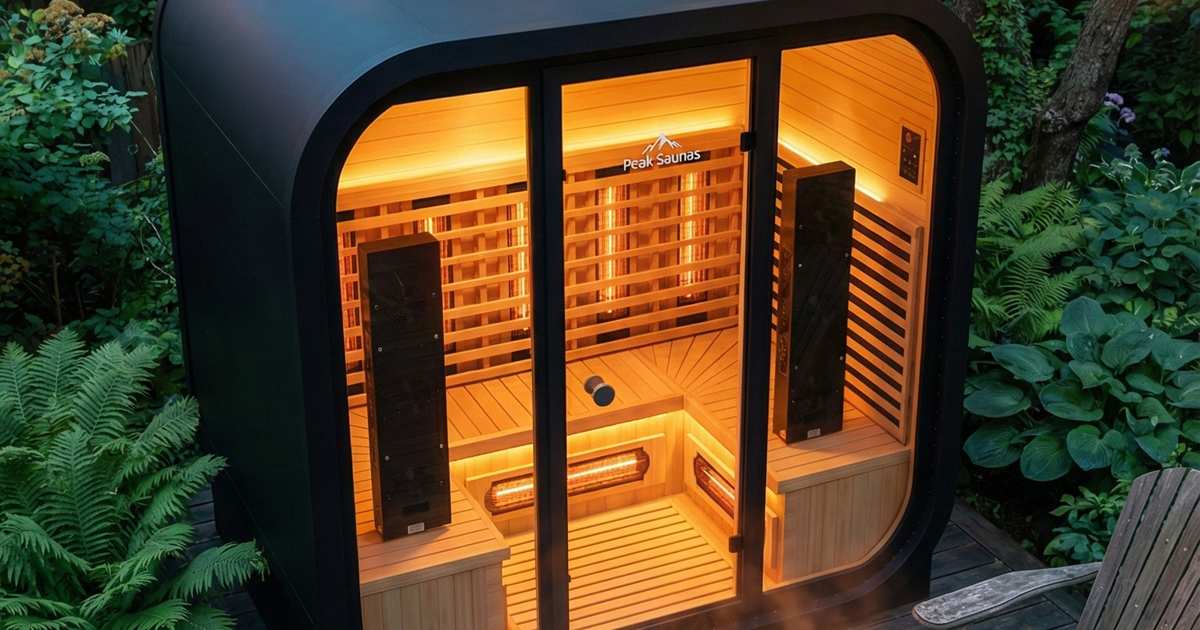
Temperature is one of the most powerful environmental factors controlling sleep quality, yet most people ignore it. Your bedroom temperature has a larger impact on sleep architecture than most interventions. Understanding how to optimize it directly improves deep sleep, reduces nighttime awakenings, and accelerates recovery.
The Circadian Temperature Rhythm
Your core body temperature follows a daily rhythm controlled by your circadian clock. It's highest in late afternoon (around 5 PM) and lowest at 3-4 AM. This rhythm drives sleep onset—a drop in core temperature signals your brain to produce melatonin and enter sleep.
This is why you feel sleepy after your temperature has dropped and why warm environments make falling asleep difficult: warmth suppresses melatonin and activates alertness.
The Optimal Bedroom Temperature
Research on sleep and temperature is remarkably consistent: the optimal sleeping temperature for most people is 60-67°F (15-19°C). Some data suggests 65-68°F is ideal for consistent sleep without becoming uncomfortably cold.
This is significantly cooler than the comfortable daytime temperature most people maintain (70-72°F / 21-22°C). The temperature change signals your body that it's time to sleep.
Why Temperature Matters: The Mechanisms
Melatonin production: Cool environment promotes melatonin production. Warm environment suppresses it. This is one of the most direct environmental signals your body uses to regulate sleep.
REM sleep promotion: Cool temperatures increase REM sleep. Warm temperatures reduce it. If you want emotional processing and memory consolidation, temperature matters.
Skin vasodilation: As you fall asleep, blood vessels in your skin dilate to increase heat loss. This heat loss is essential for sleep entry. A cool room facilitates this process; a warm room prevents it.
Deep sleep architecture: Cool temperatures increase deep sleep percentage. Warm rooms reduce deep sleep and increase light sleep and awakenings.
Sleep continuity: A cool room reduces fragmented awakenings. Many middle-of-the-night awakenings are triggered by your room becoming too warm as your body's temperature regulation attempts to maintain lower core temperature.
Individual Variation
While 60-67°F is optimal for most, individual variation exists. Age, body composition, medications, and menopause status all influence optimal temperature:
-
Older adults: Often sleep better in slightly warmer environments (65-70°F) due to reduced thermoregulation.
-
Menopausal women: May experience hot flashes triggered by warm rooms. Often need cooler environments than other demographic groups.
-
High body fat: Individuals with higher body fat may sleep better in cooler environments.
-
Cold adaptation: People living in cold climates often sleep well in cooler rooms due to adaptation.
The practical approach: experiment in the 60-70°F range to find your individual optimum.
Environmental Tools for Temperature Optimization
Air conditioning: The most straightforward approach. Set to 65-68°F for optimal sleep.
Fans: If air conditioning isn't available or affordable, a ceiling or floor fan provides air movement that promotes heat loss. Some evidence suggests the white noise from fans also improves sleep.
Cool-gel mattress toppers: Can lower mattress temperature without cooling the entire room. Useful if sharing a bed with a partner who prefers warmth.
Moisture management: Humidity affects perceived temperature. Optimal humidity is 40-60%. Higher humidity makes warm temperatures feel worse; lower humidity can make cold feel worse.
Bedding adjustments: Light, breathable bedding (cotton, linen) rather than heavy comforters allows heat loss. Using lighter layers you can adjust (rather than one heavy blanket) gives flexibility as temperature changes.
Strategic heating for partners: If sharing a bed with someone who prefers warmth, use separate blankets or electric blankets on one side rather than warming the entire room.
Seasonal Temperature Management
Winter: A cool bedroom (60-65°F) is easily maintained. The challenge is preventing the room from becoming uncomfortably cold. Use lightweight, breathable bedding you can layer.
Summer: Maintaining 65°F may require significant air conditioning cost. As a compromise, aiming for 68-70°F during summer still shows benefits compared to typical 72-75°F bedroom temperatures.
Temperature Integration with Sleep Hygiene
Temperature is most effective when combined with other sleep practices:
-
Morning light exposure: Raises core temperature early in the day, allowing appropriate circadian rhythm.
-
Afternoon exercise: Raises core temperature; the subsequent drop deepens sleep entry.
-
Evening sauna: Raises core temperature; the subsequent drop is particularly deep and triggers excellent sleep. Ideally time sauna 3-4 hours before bed.
-
Consistent sleep timing: Allows your body to predict temperature rhythm and prepare accordingly.
The Bottom Line
Temperature is one of the highest-leverage sleep interventions available. A cool bedroom (60-67°F) is as important as consistent sleep timing and has a larger effect on sleep quality than most sleep supplements. It costs nothing to try and often dramatically improves sleep architecture within 1-2 weeks.
How This Connects to Infrared Sauna Use
The sauna-sleep connection works through temperature dynamics: a sauna session raises your core temperature, triggering a subsequent drop when you cool down. This temperature drop is a powerful sleep signal and naturally deepens sleep onset.
Optimally timed sauna (3-4 hours before bed, allowing core temperature to fully normalize) combined with a cool bedroom (65-67°F) creates an ideal temperature rhythm: daytime heat exposure that triggers parasympathetic rebound and evening cooling that deepens sleep. This combination naturally optimizes sleep architecture for deep sleep and REM sleep—the restoration required for longevity.
Related Articles
🎙️ Related Episode
How to Fix Your Sleep With Your Sauna — The science of core body temperature — and a specific protocol to get your best sleep tonight.
▶ Listen on Spotify ▶ Watch on YouTube

