The PEAK journal
Where to Put Sauna in House: Best Location Guide 2025
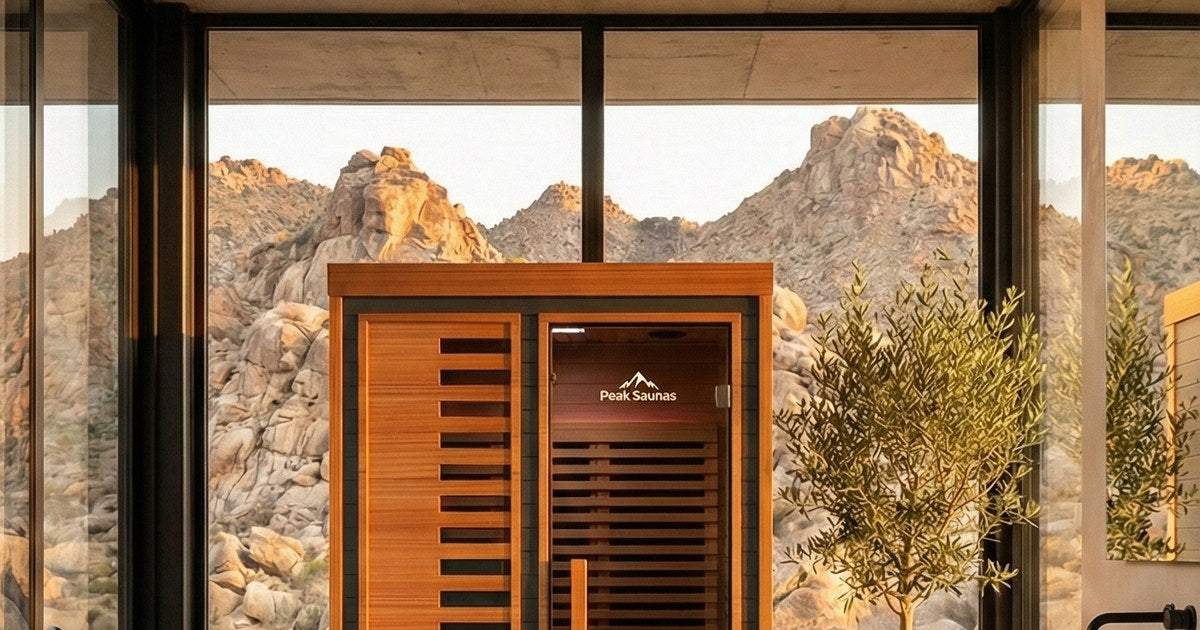
The sauna placement decision critically affects long-term satisfaction, usage consistency, installation costs, and equipment longevity, with optimal location balancing multiple competing factors including electrical panel proximity (each additional 25 feet from panel adding $100-200 installation costs), climate control availability (conditioned spaces supporting year-round comfortable usage versus unheated areas requiring extended preheat times and seasonal limitations), privacy requirements (master bedrooms providing intimate retreat versus family bathrooms creating scheduling conflicts), floor structural capacity (200-500 pound equipment loads requiring adequate support), ventilation adequacy (bottom air intake and top exhaust preventing moisture accumulation), and convenience accessibility (frequently-used locations encouraging consistent wellness habits versus remote placements creating usage barriers). Understanding location implications prevents expensive mistakes, equipment problems, and usage disappointment from poor placement decisions made without comprehensive consideration of practical requirements, hidden costs, and lifestyle impacts. The common misconception suggests any available space accommodates infrared saunas given compact footprints (30-70 square feet typical) and simple plug-in operation, creating placement decisions based solely on available floor space without proper electrical evaluation, structural verification, or ventilation assessment leading to code violations, inadequate performance, or moisture damage. Conversely, some buyers overcomplicate location selection seeking perfect ideal space when multiple acceptable options exist, creating analysis paralysis delaying beneficial sauna acquisition waiting for impossible ideal conditions. The location decision framework requires systematic evaluation across objective criteria (electrical feasibility, structural adequacy, code compliance, ventilation capability) and subjective preferences (privacy desires, aesthetic integration, convenience priorities, household dynamics), honest assessment of actual usage patterns versus aspirational intentions (realistic daily bathroom placement proving superior to theoretical perfect basement installing a sauna in your basement location requiring stairs and cold walk discouraging usage), and balanced trade-off acceptance recognizing no location proves perfect across all dimensions requiring prioritization of most important factors accepting compromises on secondary considerations. This comprehensive location guide examines indoor versus outdoor installation decision criteria, electrical access and infrastructure requirements, room-specific advantages and limitations (master bedroom, spare bedroom, bathroom, basement, garage, dedicated wellness room), structural and flooring considerations, ventilation and moisture management, climate control impacts, privacy and household dynamics, aesthetic integration approaches, noise and disruption factors, building code and permitting requirements, installation cost variations by location, long-term maintenance accessibility, location optimization strategies, and evidence-based recommendations matching placement to individual circumstances, household configurations, and usage priorities creating informed location decisions supporting decades of reliable accessible wellness benefits. Indoor vs Outdoor Installation Fundamentals The primary placement decision involves protected interior locations versus exterior or semi-exterior installations affecting accessibility, costs, and equipment longevity. Indoor Installation Advantages and Requirements Indoor sauna placement provides year-round climate-controlled accessibility, protection from weather extremes and moisture exposure, simplified electrical installation using existing home infrastructure, convenient integrated access supporting daily usage habits, reduced heating energy consumption in conditioned spaces, and straightforward ventilation using existing home systems creating optimal conditions for consistent wellness practice and maximum equipment longevity (15-20+ years typical for quality indoor installations versus 10-15 years outdoor exposure potentially reducing lifespan). The climate stability proves particularly valuable with indoor ambient temperatures (65-75°F typical) creating consistent preheat times (15-20 minutes standard) and predictable operating performance regardless of season. Outdoor installations experience dramatic ambient variations (20-100°F+ range depending on climate and season) creating preheat time fluctuations (10 minutes summer, 30-40 minutes winter in cold climates), temperature achievement challenges (struggling reaching 140°F on frigid days), and user discomfort accessing cold or hot exterior structures. The electrical installation simplification proves substantial with indoor placements typically requiring straightforward wire runs from existing panels through interior walls versus outdoor installations demanding underground conduit burial, weather-rated components, ground fault protection, and potentially expensive trenching creating $800-2,000 electrical costs versus $400-800 indoor installations. The infrastructure accessibility dramatically affects total installation economics. However, indoor placement consumes valuable living space (30-70 square feet plus clearances) creating opportunity costs in space-constrained homes. The permanent or semi-permanent installation may complicate future room redesigns or reduce flexibility. The space dedication proves worthwhile for serious wellness practitioners though questionable for casual occasional users whose limited usage may not justify space consumption. The moisture management requires proper ventilation preventing humidity accumulation affecting surrounding rooms, potential condensation on windows or walls during cold weather, and general air quality maintenance. Quality sauna designs with adequate bottom intake and top exhaust prevent moisture problems though poor ventilation creates issues requiring remediation. The proper installation attention prevents moisture complications. Outdoor and Semi-Protected Placement Outdoor sauna installations under substantial weather protection (covered porches, dedicated structures, attached pavilions) preserve interior living space, create dedicated wellness retreat separated from household activities, potentially reduce moisture concerns in home interior, and provide appealing outdoor spa experience though requiring enhanced weatherproofing, more complex electrical installation, year-round climate exposure affecting equipment, and less convenient access potentially reducing usage consistency particularly during inclement weather. The dedicated outdoor structures create premium spa environments with Japanese-influenced garden settings, private retreat atmospheres, and appealing outdoor connections though requiring substantial investment ($3,000-8,000+ for structure beyond sauna costs), extensive permitting and code compliance, permanent property modifications affecting resale considerations, and seasonal accessibility limitations in harsh climates where winter usage proves uncomfortable or impractical. The semi-protected placements under existing roof structures (covered decks, screened porches, attached patios) provide middle ground avoiding dedicated structure construction while maintaining outdoor character. However, these locations prove vulnerable to wind-driven moisture, temperature extremes, and debris accumulation requiring more frequent maintenance and potentially reduced equipment longevity versus fully-enclosed installations. The electrical challenges prove substantial with outdoor placements requiring proper underground wire burial (18-24 inch depth typical per code), weather-rated conduit and components (UV-resistant materials preventing degradation), GFCI protection (ground fault protection mandatory for outdoor circuits), and potentially long wire runs increasing costs. The electrical installation complexity adds $400-1,200 to typical indoor costs depending on distance and specific conditions. The climate exposure affects equipment longevity with temperature cycling, UV exposure, moisture infiltration, and general weathering accelerating material degradation. Cedar saunas prove more weather-resistant than hemlock though both experience accelerated aging outdoors. The enhanced weatherproofing, regular maintenance, and protective finishes extend outdoor equipment life though rarely match indoor longevity. Climate and Regional Considerations Cold climate installations (northern states, mountain regions, Canadian locations) strongly favor indoor placement avoiding frozen access paths, extreme preheat requirements, uncomfortable pre/post session exposure, and equipment cold-soak requiring extended warm-up periods. The convenience differential between warm indoor access and frigid outdoor trek proves substantial affecting usage consistency during 4-6 month winter periods. However, cold climates make outdoor summer sauna sessions particularly pleasant with cool exterior air creating refreshing contrast to heated interior. The seasonal outdoor appeal proves insufficient justifying year-round outdoor placement given winter impracticality making indoor installation optimal for cold regions with occasional summer outdoor sessions using portable or relocated units if desired. Moderate climate regions (Pacific Northwest, mid-Atlantic, coastal California) find outdoor installations more viable with year-round temperate conditions supporting consistent outdoor access. However, high precipitation areas require substantial weather protection preventing moisture infiltration and creating comfortable dry access paths. The regional moisture exposure creates maintenance demands and longevity concerns even in temperature-moderate regions. Hot climate installations (desert Southwest, southern states, tropical regions) create interesting dynamics with summer outdoor saunas proving extremely hot requiring significant cooling periods before entry while providing winter advantages through natural ambient heating reducing preheat energy. The extreme summer heat may render outdoor saunas unusable during peak temperatures (when outdoor ambient exceeds 100°F, sauna pre-heating proves impractical). Indoor climate-controlled placement proves optimal allowing year-round usage regardless of extreme exterior conditions. Electrical Access and Infrastructure Requirements The electrical panel proximity and existing service capacity dramatically affect installation feasibility and costs making electrical evaluation essential before location finalization. Distance from Electrical Panel Impact The electrical panel to sauna distance directly correlates with installation costs through wire material expenses and labor requirements. Standard two-person infrared saunas require dedicated240V/20-30A circuits using 10-12 AWG copper wire costing $0.80-1.50 per foot material plus $2-4 per foot installation labor creating total costs of $2.80-5.50 per foot wire run (materials and labor combined). A 20-foot wire run (electrical panel on opposite side of same floor) costs $56-110 for wire plus $150-250 labor totaling $206-360 for straightforward installation. The 50-foot run (basement sauna withmain floor panel) reaches $140-275 wire plus $250-450 labor totaling $390-725. The 80-100 foot runs (garage or remote basement locations) cost $224-550 wire plus $400-800 labor totaling $624-1,350 creating substantial cost variations based purely on panel distance. The cost-per-foot calculation provides rough estimation though actual costs vary with accessibility (finished walls requiring fishing wires versus open framing allowing direct routing), vertical versus horizontal runs (multiple floor penetrations adding complexity), local labor rates (urban areas commanding premium versus rural markets), and specific routing challenges (navigating obstructions, fire-blocking, or complex pathways). The practical distance maximum proves approximately 100-150 feet beyond which voltage drop considerations require heavier wire gauge (moving from 10 AWG to 8 AWG or 6 AWG) substantially increasing costs or creating impractical installations. The extreme distance sauna placements require careful electrical engineering ensuring adequate voltage delivery preventing heater performance degradation from voltage drop. Panel Capacity and Service Adequacy The existing electrical service capacity assessment determines whether sauna circuit addition proves feasible without panel upgrade. Modern homes with 200-amp main service typically accommodate 20-40 amp sauna circuits without capacity concerns. Older homes with 100-amp service may approach capacity limits requiring load management or panel upgrades ($1,500-3,000+ creating substantial unexpected expense). The panel capacity evaluation involves examining existing circuit breakers totaling amperage of all circuits (though not all operate simultaneously), assessing major appliance loads (HVAC, water heater, range, dryer), and determining available capacity for sauna addition. The professional electrician assessment proves worthwhile preventing expensive surprises after sauna purchase when panel inadequacy discovered. The available breaker positions in panel prove equally important as total capacity with full panels lacking physical space for additional breakers requiring tandem breakers (where code permits) or panel upgrades. The simple breaker position shortage proves less expensive than capacity inadequacy though still creates complications and costs ($200-500 for panel modification versus $1,500-3,000+ for service upgrade). The sub-panel option addresses panel capacity or position limitations by installing secondary panel near sauna location fed from main panel. The sub-panel costs $400-800 installed though proves economical versus main panel upgrade while providing convenient local circuit protection and potential expansion capacity for future additions (outdoor lighting, entertainment systems, etc.). Existing Circuit Utilization Assessment The tempting shortcut involves connecting sauna to existing circuits avoiding dedicated circuit installation costs. However, this approach proves dangerous, code-violating, and warranty-voiding creating unacceptable risks. Infrared saunas require dedicated circuits (not shared with other devices) preventing overload and ensuring stable power delivery critical for proper heater operation and safety. The circuit sharing problems include breaker tripping from combined loads (sauna plus other devices exceeding circuit capacity), voltage drop affecting sauna performance (other devices consuming power reducing available voltage), potential fire hazards from overloaded circuits, code violations creating liability and insurance issues, and warranty voidance (manufacturers requiring dedicated circuits maintaining coverage). Existing 240V circuits (electric range, dryer, water heater) prove inappropriate for sauna connection despite voltage compatibility given different amperage requirements, appliance-specific breaker sizing, code prohibitions on multi-device 240V circuits, and safety concerns from improper connections. The dedicated circuit requirement proves non-negotiable regardless of apparent existing circuit adequacy. The bathroom or bedroom 120V circuits prove completely inadequate for standard infrared saunas requiring 240V service and 20-40 amp capacity far exceeding typical 15-20 amp lighting and receptacle circuits. The rare compact 120V saunas (typically underpowered 1,200-1,500 watt units) technically operate on existing circuits though still require dedicated circuit per code and proper loading analysis preventing overload. Master Bedroom Placement The primary bedroom location provides maximum privacy and convenience though creates specific considerations requiring evaluation. Privacy and Accessibility Advantages Master bedroom sauna placement delivers ultimate privacy supporting spontaneous usage without household visibility concerns, intimate couple sessions without scheduling coordination, personal wellness space within private retreat, and nighttime accessibility for evening relaxation or morning energizing sessions without traveling through house. The convenience proves particularly valuable for regular users incorporating sauna into daily routines (morning wake-up sessions, pre-bed relaxation) where bathroom proximity and private access dramatically reduce usage friction. The integration into master suite creates comprehensive wellness environment combining sauna with bedroom, bathroom, closet, and potentially exercise areas developing personal sanctuary supporting multiple wellness practices. The holistic approach appeals to wellness-focused individuals prioritizing health and self-care making bedroom sauna centerpiece of daily practice. The noise isolation proves valuable with master bedrooms typically located away from main living areas allowing sauna usage without disturbing household activities. The evening or early morning sessions proceed without concern about bothering family members, guests, or household routines. The separation supports flexible scheduling based on personal preferences rather than household logistics. However, shared bedrooms create potential partner conflicts if one partner embraces sauna while other remains indifferent or opposed. The substantial bedroom space consumption (30-50 square feet typical two-person unit plus clearances) may create resentment from non-using partner viewing footprint as wasted space. The usage alignment assessment proves important before bedroom placement in shared spaces. Space and Layout Challenges Master bedroom sauna placement consumes significant floor area potentially requiring furniture removal or room reorganization. The typical 48x48 to 60x60 inch footprint (two-person units) plus recommended 6-12 inch perimeter clearance totals 35-55 square feet including access and maintenance space. Smaller bedrooms (<200 square feet) find space consumption substantial while larger master suites (300+ square feet) accommodate saunas without cramping. The furniture arrangement impacts prove considerable with sauna placement affecting bed positioning, dresser locations, seating areas, and traffic flow. The room layout planning should position sauna near exterior walls (simplifying ventilation), away from windows (preventing energy loss and privacy concerns), and maintaining logical traffic patterns without creating awkward navigation around sauna to access bathroom or closet. The door swing clearance requires minimum 30-36 inches ensuring sauna door opens fully without hitting bedroom furniture, closet doors, or creating tight squeezes. The sauna door swing direction consideration (opening inward versus outward to room) affects space requirements and convenience. The careful dimensional planning prevents installation discovering insufficient clearance requiring furniture rearrangement. The electrical accessibility proves variable with master bedrooms potentially located far from main electrical panel (particularly second-story placements) creating $400-800+ installation costs from extended wire runs versus favorable locations near panels reducing costs. The bedroom electrical infrastructure evaluation proves essential before finalizing placement determining realistic total installation investment. Climate Control and Ventilation Master bedroom sauna operation adds heat to bedroom environment potentially creating discomfort particularly during summer months or warm climates. A typical 2,000-watt sauna operates 45 minutes consuming 0.75-1.0 kWh energy with substantial portion heating surrounding room through door leakage, post-session heat dissipation, and general thermal transfer creating noticeable temperature increases in small bedrooms. The HVAC interaction proves concerning with bedroom thermostats detecting sauna heat triggering air conditioning operation increasing energy costs beyond direct sauna consumption. The thermostat positioning relative to sauna affects problems severity with thermostats near sauna experiencing more frequent activation versus distant placements showing less impact. The seasonal consideration proves important with winter sauna heating potentially beneficial reducing HVAC demand while summer operation proves counterproductive. The ventilation requirements include bottom air intake (gap under sauna door or dedicated vent providing oxygen supply) and top exhaust (passive vent near ceiling or active exhaust fan removing moist air). Bedrooms typically lack adequate natural ventilation requiring dedicated vent additions potentially complicating installation and affecting aesthetics. The exterior wall placement simplifies ventilation allowing direct exterior vents versus interior wall locations requiring ductwork routing. The moisture management proves critical preventing condensation on bedroom windows (particularly winter when warm moist air contacts cold glass), humidity affecting bedding or clothing, or general dampness creating discomfort or mold risks. The proper sauna sealing, adequate ventilation, and reasonable usage patterns prevent moisture problems though poor implementation creates issues requiring remediation. Noise and Sleep Disruption The sauna heater operation produces minimal noise (quiet fan hum from control electronics, occasional thermal expansion creaking) though remains audible in quiet bedroom environments. The noise level proves far below household HVAC systems or typical ambient noise though light sleepers or noise-sensitive individuals may find evening sauna operation disruptive if partner remains sleeping or preparing for sleep during usage. The timing coordination in shared bedrooms proves necessary with sauna user scheduling sessions when partner awake or absent preventing disturbance. Morning sauna enthusiasts may need alternative locations if partner sleeps later or coordinate wake-up timing. The flexibility proves manageable though represents consideration absent in private dedicated wellness rooms. The light leakage from sauna interior lighting or chromotherapy systems potentially disturbs sleeping partners despite sauna door closure. The LED lighting visible through door gaps or glass doors creates ambient room lighting affecting sleep-sensitive individuals. The light management through timing coordination, towel blocking, or selecting wood doors versus glass proves necessary in shared spaces. Spare Bedroom and Dedicated Wellness Room The dedicated space allocation creates ideal sauna environments though proves viable only in homes with available extra rooms. Optimal Dedicated Space Advantages Spare bedroom or dedicated wellness room sauna placement provides complete usage freedom without household conflicts, optimal environment customization supporting comprehensive wellness practices (combining sauna with yoga space, meditation area, exercise equipment, red light therapy), flexible scheduling unrestricted by bathroom or bedroom sharing, and premium privacy rivaling master suite without partner compromise. The dedicated approach creates ultimate wellness sanctuary for serious practitioners prioritizing health and self-care. The aesthetic integration opportunities prove substantial with wellness room design incorporating complementary elements including calming colors (soft blues, greens, earth tones supporting relaxation), natural materials (wood floors, stone accents, organic textiles), appropriate lighting (dimmable fixtures, natural light access, chromotherapy integration), aromatherapy systems (essential oil diffusers, natural scents), and sound systems (music, nature sounds, guided meditation). The comprehensive environment design creates transformative wellness space rather than sauna merely inserted into existing room. The expansion flexibility proves valuable with dedicated wellness rooms accommodating sauna plus supplementary equipment including therapeutic red light panels ($500-1,500), cold plunge or contrast therapy tubs ($2,000-8,000+), massage tables or zero-gravity chairs, exercise mats and props, meditation cushions, or entertainment systems. The multi-modal wellness approach creates comprehensive facility rivaling commercial spas within home environment. However, dedicated space allocation proves practical only for homes with genuinely spare rooms lacking alternative valuable purposes. The family with growing children or frequent guests may question sacrificing bedroom for sauna when space serves important alternative functions. The honest assessment of space opportunity cost prevents regrettable decisions converting needed bedrooms into underutilized wellness rooms. Guest Room Conversion Considerations The occasional guest room conversion to wellness/sauna space creates dual functionality challenges requiring creative solutions. The furniture selection might include murphy bed or quality sofa bed maintaining guest accommodation while predominantly serving wellness functions. The room design balances both purposes without compromising either proving difficult though achievable with thoughtful planning. The usage priority clarification proves essential determining whether room serves primarily wellness with occasional guest capacity or primarily guest room with sauna bonus. The priority determines design emphasis, furniture investment, and practical compromises. The honest assessment prevents dissatisfaction from unclear purpose creating mediocre dual functionality disappointing both applications. The temporary sauna removal or relocation proves impractical given equipment weight (300-500 pounds typical), electrical hardwiring, and assembly complexity making portable treatment unrealistic. The permanent sauna installation requires accepting reduced guest capacity or creative accommodation solutions (air mattresses in other rooms, nearby hotel arrangements during visits) for regular entertaining households. Climate Control and Operating Costs Dedicated wellness rooms often receive minimal HVAC attention given low occupancy creating uncomfortable ambient conditions (too cold winter, too hot summer) affecting pre and post-session comfort. The HVAC balancing or supplemental climate control (space heater, window AC unit) addresses issues though adds operating costs and complexity. The proper climate control investment creates comfortable year-round environment versus suffering uncomfortable conditions. The electrical consumption concentration in dedicated wellness room proves substantial with sauna operation (1,800-3,000 watts), potential red light therapy (200-600 watts), sound systems, lighting, and climate control creating 2,000-4,000 watt combined loads requiring adequate circuit capacity. The electrical planning should anticipate comprehensive wellness equipment preventing capacity problems as room develops. The unused room operating costs prove concerning with heating, cooling, and maintaining rarely-occupied space creating ongoing expenses. However, wellness room receives regular use (daily sauna sessions, meditation, yoga) converting "spare" designation to active regular usage justifying climate control and comfort investments creating valuable functional space rather than neglected extra room. Bathroom Integration Bathroom sauna placement creates logical wellness integration though introduces specific challenges requiring careful evaluation. Moisture and Ventilation Synergies Bathroom locations provide existing ventilation infrastructure (exhaust fans, exterior wall vents) simplifying sauna moisture management using established systems. The bathroom exhaust fan operation during and after sauna sessions removes humid air preventing condensation and moisture accumulation. The existing ductwork, fan capacity, and exterior venting prove valuable assets avoiding dedicated sauna vent installation costs ($200-500 typical for new vent penetrations). The moisture-tolerant bathroom surfaces (tile floors, water-resistant walls, sealed materials) tolerate sauna humidity better than carpet or untreated wood in bedrooms preventing floor damage from occasional condensation or moisture exposure. The bathroom design inherently accounts for humidity creating appropriate material selections supporting sauna operation without modification. The plumbing access proximity proves convenient for post-session hydration, cleanup, showering immediately after sessions (though not recommended - allowing natural cooldown proves healthier), and general bathroom functions integrating with sauna use. The natural wellness routine flow from sauna to shower to grooming proves seamless versus saunas in bedrooms or basements requiring travel to bathrooms for post-session needs. However, bathroom moisture exposure from shower and bath usage potentially affects sauna longevity creating higher than optimal humidity levels (50-70% bathroom humidity versus 30-50% ideal for wood preservation). The proper bathroom ventilation during all moisture-producing activities (not just sauna) prevents excessive humidity protecting both bathroom and sauna materials. The humidity monitoring and management proves more critical in bathroom installations. The combined bathroom-sauna humidity loads require robust ventilation capacity potentially exceeding typical bathroom exhaust fans (50-80 CFM common) necessitating upgraded fans (110-150 CFM capacity) adequately handling moisture from both sources. The fan upgrade costs $150-400 installed though proves worthwhile preventing moisture damage requiring expensive remediation. Space and Layout Constraints Bathroom sauna placement proves viable only in larger bathrooms (100+ square feet minimum, 150+ square feet comfortable) given sauna footprint (30-50 square feet) plus bathroom fixtures, storage, and circulation requiring adequate total area. Standard bathrooms (40-75 square feet) prove too small accommodating saunas without severe compromises or fixture removal creating impractical layouts. The master bathroom suite installations (150-300+ square feet) easily accommodate saunas maintaining comfortable layouts. The layout planning positions saunas away from water fixtures preventing splash exposure, near exterior walls simplifying ventilation, and maintaining logical traffic flow between shower, toilet, vanity, and sauna without awkward navigation or tight squeezes. The fixture arrangement impacts prove substantial with sauna addition potentially requiring vanity relocation, toilet repositioning, shower reconfiguration, or storage removal. The plumbing modifications add $1,000-5,000+ installation costs beyond sauna and electrical expenses creating substantial total investment. The existing bathroom layout evaluation determines whether sauna accommodation proves practical without extensive costly modifications. The door swing clearances require particular attention in bathrooms with multiple doors (entry door, shower door, potentially closet or water closet doors) creating complex coordination preventing door interference. The sauna door swing should clear all bathroom doors, fixtures, and vanities without conflicts. The careful dimensional planning with actual door swing templates prevents discovering interference after installation. Privacy and Scheduling Conflicts Bathroom sauna placement in household bathrooms (not private master ensuites) creates scheduling conflicts and privacy concerns with multiple family members requiring bathroom access during sauna sessions. The 30-45 minute sauna occupation blocks bathroom availability creating inconvenience for others needing access. The single-bathroom homes prove particularly problematic with sauna essentially monopolizing sole bathroom during usage. The master ensuite placement avoids scheduling conflicts though creates dynamics in shared master bathrooms where one partner uses sauna while other requires bathroom access. The coordination proves manageable with communication though represents complication absent in dedicated locations. The bathroom size affects severity with larger bathrooms allowing simultaneous sauna and bathroom usage versus compact layouts creating true conflicts. The privacy considerations in shared bathrooms prove significant with family members potentially entering bathroom during sauna sessions creating awkward situations. The door locks prevent unwanted entry though create safety concerns about locked individual in hot sauna without household awareness. The communication protocols about usage timing and duration prevent most conflicts though require ongoing household management. The guest considerations prove important with bathroom saunas potentially creating awkward situations during visitors or entertainment when hosts use saunas while guests require bathroom access. The courtesy requires forgoing sauna during hosting or limiting sessions to early morning or late evening when guest bathroom needs minimal. The social dynamics prove more complex than private bedroom or dedicated wellness room locations. Basement Installation Basement sauna placement preserves main living space though creates specific accessibility and environmental challenges. Space Availability and Cost Efficiency Basement locations provide abundant available floor space in many homes allowing generous sauna sizing without impacting main living areas, potential for comprehensive wellness space development incorporating sauna plus exercise equipment or meditation areas, and economic efficiency using underutilized square footage rather than sacrificing valuable main floor rooms. The space abundance proves particularly valuable in finished recreation rooms, exercise areas, or underutilized storage zones readily converting to wellness applications. The installation cost advantages prove modest with basement locations potentially positioned near main electrical panels (common basement panel placements) reducing wire run costs versus second-story bedrooms requiring extensive vertical runs. However, older homes with main floor panels experience opposite dynamic with basement saunas requiring vertical drops adding complexity and expense. The specific electrical layout assessment determines actual cost implications. The unfinished basement locations require finish work including drywall, flooring, lighting, and climate control creating $2,000-8,000+ additional costs beyond sauna investment. The extensive preparation expenses may discourage basement placement or require phased implementation (initial basic installation with gradual finish improvements). The finished basement locations avoid these costs though still benefit from aesthetic enhancements creating appealing wellness environments. The structural advantages prove substantial with basement concrete slab floors easily supporting 300-500 pound sauna loads without reinforcement concerns affecting second-story installations. The solid foundation provides inherently level stable platform simplifying installation versus wood frame floors requiring leveling attention and structural verification. Climate Control and Humidity Management Basement ambient temperatures (typically 60-68°F year-round) prove cooler than main living spaces affecting sauna preheat requirements. The cooler ambient extends preheat times 2-5 minutes and slightly reduces maximum achievable temperatures (2-3°F lower) versus 70-75°F ambient though remains acceptable for proper sauna operation. The unheated basements (55-60°F winter) create more significant challenges with 5-10 minute preheat extensions though remain functional. The basement humidity levels (often 50-70% or higher in poorly-ventilated basements) create concerns for wood sauna longevity with elevated moisture potentially causing warping, mold growth, or material degradation over time. The proper basement dehumidification (maintaining 40-50% relative humidity) proves essential protecting sauna investment. The dehumidifier operation ($30-80 annually electricity costs) represents ongoing basement sauna expense versus drier main floor locations. The HVAC integration proves variable with finished basements receiving climate control creating comfortable access year-round while unfinished basements lack heating/cooling creating uncomfortable pre/post session conditions particularly winter. The supplemental space heater or window AC unit addresses climate control deficiencies though adds equipment costs ($150-500) and operating expenses ($50-150 annually depending on usage). The ventilation challenges prove substantial with basements typically lacking adequate natural ventilation requiring mechanical systems. The combination of sauna moisture output and general basement dampness demands robust dehumidification and air exchange preventing mold, mildew, and material degradation. The ventilation system investment ($300-1,000 for adequate exhaust fan and dehumidifier) proves essential rather than optional in basement installations. Accessibility and Usage Barriers The stair access requirement creates physical barrier potentially reducing usage consistency particularly for aging users, mobility-impaired individuals, or those experiencing post-workout fatigue when stairs prove burdensome. The single-floor living advocates or aging-in-place planning may find basement placement incompatible with long-term accessibility goals. The honest assessment of physical capabilities and aging trajectories informs location decisions. The psychological barrier from basement descent proves subtle though real with below-grade locations feeling less inviting than main floor wellness spaces. The out-of-sight becomes out-of-mind phenomenon affects usage with basement saunas receiving less spontaneous use than bedroom or bathroom placements encountered during daily routines. The usage intention assessment determines whether convenience proves critical or basement placement acceptable for dedicated committed practitioners. The emergency egress considerations prove important with basement saunas requiring safe exit access per building code. The direct exterior basement door egress proves ideal while basement saunas in windowless interior rooms create code compliance challenges requiring careful planning. The building inspector consultation before installation prevents expensive modifications addressing egress deficiencies discovered during permitting. Garage Conversion and Attached Structures Garage sauna installations preserve interior living space though create most extreme environmental conditions and accessibility considerations. Temperature Extreme Management Unheated garage installations experience dramatic temperature variations (20-110°F+ depending on climate and season) creating substantial sauna performance impacts. Winter garage saunas in cold climates face 30-50°F ambient temperatures extending preheat times from normal 15-20 minutes to 30-50 minutes while struggling reaching target temperatures (achieving 130-135°F when targeting 145-150°F). Summer garage temperatures exceeding 100°F create opposite problem with excessive ambient heat creating uncomfortably hot pre-entry conditions. The garage insulation and climate control investment addresses temperature challenges though adds $3,000-8,000+ for proper insulation, heating/cooling systems, and finished interior creating dedicated wellness space. The extensive improvements prove economical only when garage conversion creates permanent living space enhancement beyond purely sauna placement. The cost-benefit analysis determines whether garage wellness conversion makes financial sense versus alternative locations. The seasonal usage limitations affect year-round wellness consistency with winter garage access requiring cold exposure pre/post sessions discouraging regular use particularly for morning routines or evening relaxation. The summer usage may prove pleasant with natural cooling ambient though still requires managing excessive heat during entry. The climate-dependent accessibility creates less reliable usage patterns versus stable indoor placements. Electrical and Ventilation Complexity Garage electrical installations prove straightforward when garage contains existing panel or sub-panel providing convenient power access. However, garages without electrical service require main panel circuit additions with wire runs through walls creating installation costs comparable to distant interior locations ($500-1,000+ typical). The detached garage installations prove most expensive requiring underground conduit burial and substantial wiring creating $1,500-3,000+ electrical costs. The GFCI protection requirements prove more stringent for garage locations with codes often mandating ground fault protection for all garage circuits regardless of device type. The GFCI implementation adds $100-200 to standard installation costs though provides important safety benefits in automotive environments with potential fluid spills, moisture exposure, and metal surfaces. The ventilation proves simple with garage exterior walls allowing direct vent installation without ductwork routing. However, the garage door opening and closing creates dramatic air exchange potentially disrupting sauna temperature stability. The dedicated insulated sauna room within garage maintains temperature control despite general garage environment changes. Security and Environmental Exposure Garage sauna security proves concerning in homes with attached garages accessible from vehicle entries creating potential unauthorized access requiring dedicated locks beyond typical interior door hardware. The detached garage saunas prove even more vulnerable though typically locked preventing casual access. The security assessment determines whether additional measures prove necessary protecting equipment investment. The garage environmental exposure including vehicle exhaust fumes (carbon monoxide, volatile organic compounds), chemical storage vapors (gasoline, paints, solvents, fertilizers), and general automotive contamination creates air quality concerns affecting sauna experience and health. The dedicated sealed sauna room with independent fresh air intake prevents contamination though simple garage corner installations prove more vulnerable. The environmental isolation proves essential for safe healthy sauna operation in garage environments. The vehicle operation during sauna use proves absolutely prohibited given carbon monoxide poisoning risks in enclosed spaces. The strict protocol preventing vehicle starting or running while sauna occupied proves life-critical. The household education about garage sauna safety prevents tragic accidents from carbon monoxide exposure. Structural and Flooring Considerations The foundation adequacy and floor surface compatibility affect installation success and long-term satisfaction across all locations. Floor Load Capacity Verification Standard residential floor joists (2x10 or 2x12 at 16-inch on-center spacing typical) safely support infrared sauna loads (300-500 pounds distributed over 15-25 square foot footprint) creating approximately 15-25 pounds per square foot distributed loading well within typical residential floor capacity (40-50 psf design loads common). The distributed loading proves far less demanding than point loads from pianos, aquariums, or safes creating more localized stress. However, older construction (pre-1950s homes), second-story installations over large open spans, or suspect floor conditions warrant structural engineering review ensuring adequate capacity. The professional structural assessment costs $300-800 though provides peace of mind and prevents expensive floor damage or catastrophic failures from inadequate support. The sauna placement over basement or crawlspace locations accessing underside structure allows direct joist inspection determining condition and capacity. The joist orientation consideration affects optimal sauna positioning with placement parallel to joists distributing weight across fewer joists creating higher individual joist loading versus perpendicular orientation spreading loads across more joists. The perpendicular positioning generally proves preferable though differences prove modest for distributed sauna loads versus critical for point loads. The floor reinforcement proves rarely necessary for single-story slabs or standard second-story installations meeting code though may prove advisable for questionable situations. The reinforcement techniques include additional joist installation (sistering new joists alongside existing), structural support posts (from basement or crawlspace supporting floor beneath sauna), or steel beam installation creating supplemental support. The reinforcement costs range $500-2,000 depending on scope though proves less expensive than floor damage from inadequate support. Flooring Surface Selection The flooring surface beneath sauna affects aesthetics, moisture resistance, and installation ease with various materials providing different advantages. Vinyl flooring (sheet or plank) provides excellent moisture resistance, easy cleaning, comfortable surfaces, and simple installation creating optimal basement or bathroom surfaces. The vinyl costs prove modest ($2-6 per square foot installed) making upgrades economical. Tile flooring offers superior moisture resistance, durability, and premium appearance though requires level substrate and professional installation creating $8-15 per square foot costs. The tile proves ideal for bathroom integration matching existing finishes while providing permanent moisture-resistant surface. However, tile proves cold underfoot creating discomfort during barefoot entry/exit though radiant heating or bath mats address issues. Engineered wood or laminate flooring provides attractive natural appearance and comfortable surfaces though proves less moisture-resistant than vinyl or tile requiring protective barriers beneath sauna. The moisture exposure from condensation or spills may damage wood products though proper sauna sealing and reasonable care prevents problems. The material costs range $4-10 per square foot installed. Carpet proves least suitable given moisture concerns, cleaning difficulties, and potential odor retention though remains common in bedrooms where existing carpet proves acceptable with protective barrier beneath sauna. The moisture barrier (plastic sheeting or vapor barrier) prevents condensation penetrating carpet backing causing odors or mold. The occasional carpet replacement proves acceptable maintenance addressing any moisture-related degradation. The concrete slab floors (basements, garage slabs) provide inherently moisture-resistant surfaces though prove hard and cold requiring rugs or finish flooring creating comfort. The epoxy coating ($3-8 per square foot) creates attractive moisture-resistant finish for basement or garage sauna areas while providing easy cleaning and durable surface. Leveling and Foundation Preparation The floor leveling proves critical regardless of location with sauna requiring <1/4 inch variation per 4 feet preventing door operation problems and structural stress. The level verification using 4-foot level across installation area identifies irregularities requiring correction before delivery. The floor leveling techniques depend on floor type and variation magnitude. The concrete floor leveling uses self-leveling compound ($2-4 per square foot materials and labor) creating flat surface for significant variations (>1/2 inch) or shimming (composite plastic shims) addressing minor issues (<1/2 inch). The compound application requires careful mixing, pouring, and finishing creating professional results though proves accessible to DIY homeowners following product instructions carefully. Wood floor leveling employs shimming techniques placing composite plastic shims beneath sauna at structural support points elevating low areas. The shim placement requires identifying low spots, positioning shims under sauna perimeter, and trimming excess creating level platform. The shim approach proves simpler and more economical than extensive floor modification for minor variations. The moisture barrier installation beneath sauna proves advisable for all locations protecting floors from condensation, occasional spills, or general moisture exposure. The plastic sheeting, vapor barrier, or specialized sauna underlayment creates protection costing $20-60 for typical installations. The preventive measure avoids expensive floor damage from moisture infiltration over years of use. Climate Control and HVAC Integration The sauna operation affects surrounding environment requiring consideration of heating, cooling, and ventilation interactions. Heating Season Considerations Winter sauna operation in climate-controlled spaces provides incidental beneficial heating with sauna heat leakage supplementing household heating reducing HVAC demand. The heat contribution proves modest (equivalent to 1,500-2,000 watt space heater operating 30-45 minutes) though measurable in smaller rooms. The winter usage proves particularly appealing given warm refuge from cold outdoor conditions. However, sauna operation in unheated spaces (garages, basements, enclosed porches) faces significant challenges with cold ambient temperatures (40-55°F common) extending preheat times from normal 15-20 minutes to 30-50 minutes, reducing maximum achievable temperatures (struggling reaching 145-150°F when targeting per user preference), creating uncomfortable pre/post session cold exposure, and generally diminishing experience quality. The supplemental heating in unheated sauna locations using space heaters ($50-200 equipment cost, $30-80 annual operating expense) addresses ambient temperature deficiencies pre-warming areas before sauna usage. The strategic space heater operation 30-60 minutes before sauna session creates comfortable 65-70°F ambient improving overall experience without extensive HVAC installation. Cooling Season Impacts Summer sauna operation in climate-controlled spaces creates counterproductive heat addition fighting air conditioning systems. The sauna heat leakage plus post-session heat dissipation adds 3,000-5,000 BTUs cooling load increasing AC runtime and energy consumption. The basement saunas prove less problematic given inherent cooling while main floor installations create noticeable climate control impacts. The thermostat interaction proves concerning with sauna heat triggering cooling system operation creating energy waste. The thermostat positioning relative to sauna affects severity with thermostats near saunas experiencing more frequent activation versus distant placements showing minimal impact. The thermostat relocation or setpoint adjustment during sauna sessions prevents unnecessary cooling operation. The evening or morning sauna timing proves strategic during cooling season avoiding peak afternoon heat when AC systems already stressed. The cooler ambient outdoor temperature periods (morning before sunrise, evening after sunset) minimize climate control conflicts while providing pleasant outdoor air for post-session cooling. The usage timing optimization reduces energy impacts while maintaining comfortable experience. The outdoor sauna summer usage proves appealing in moderate climates avoiding interior heat addition and allowing natural outdoor cooling. However, extreme heat climates find summer outdoor saunas impractical when ambient temperatures exceed 95-100°F making sauna pre-heating and usage uncomfortable. The seasonal usage pattern adaptation optimizes experience across climate conditions. Ventilation System Integration The sauna ventilation requirements (bottom air intake, top exhaust) integrate with existing home ventilation systems using established pathways when possible. Bathroom saunas use existing exhaust fans during and after sessions removing moist air preventing condensation. The basement saunas benefit from dehumidifier operation maintaining appropriate ambient humidity protecting both basement and sauna. The dedicated sauna ventilation (independent of home systems) proves necessary in locations lacking adequate existing ventilation. The installation involves exterior wall penetration for intake and exhaust vents (creating 3-6 inch diameter openings through walls), ductwork routing (connecting sauna to exterior vents), and potentially mechanical ventilation (low-power exhaust fan ensuring adequate air exchange). The ventilation installation costs range $200-800 depending on complexity and professional installation requirements. The air quality maintenance proves critical with proper ventilation preventing carbon dioxide accumulation (though infrared saunas don't produce combustion products like traditional wood-fired saunas), supporting heater cooling (adequate air circulation preventing overheating), and removing moisture preventing condensation and material damage. The comprehensive ventilation attention ensures healthy comfortable sauna environment. Installation Cost Variations by Location The placement decision substantially affects total installation investment through differing electrical, preparation, and finishing requirements. Comprehensive Cost Analysis by Location Master bedroom installations typically cost $400-800 for electrical circuit installation (moderate panel distance, straightforward routing through interior walls), minimal preparation (existing flooring, climate control, lighting), optional aesthetic improvements ($500-2,000 for complementary finishes, lighting upgrades, or dedicated wellness environment development), and moderate ventilation needs (potentially requiring dedicated vent addition $200-400) creating total installation investment of $600-2,400 beyond sauna purchase cost. Bathroom installations range $600-1,200 for electrical work (variable panel distance, potential GFCI requirements), modest preparation (typically existing adequate finishes), optional improvements ($300-1,500 for upgraded exhaust fan, enhanced lighting, or moisture barriers), possible plumbing modifications if fixture relocation necessary ($1,000-5,000+ for significant changes) creating total installation costs of $900-4,000+ depending on bathroom modifications required. Basement installations cost $500-1,000 for electrical circuit (variable based on panel location - favorable if basement panel, expensive if main floor panel requiring drop), substantial preparation for unfinished basements ($2,000-8,000 for framing, drywall, flooring, lighting creating finished wellness space), moisture management ($200-600 for dehumidifier, enhanced ventilation), and climate control if previously unheated ($500-2,000 for supplemental heating) creating total installation investment of $700-10,000+ with unfinished basement requiring most extensive preparation. Garage installations reach $800-2,000 for electrical work (detached garages requiring underground runs, GFCI protection, potentially long wire runs), extensive preparation ($3,000-10,000+ for insulation, climate control, finished interior, dedicated room creation), security enhancements ($200-500 for upgraded locks, safety measures), and ventilation (straightforward exterior wall vents $200-400) creating total installation costs of $4,000-12,000+ for comprehensive garage wellness conversion though simple garage corner placement with minimal finishing proves more economical. Hidden Cost Identification The permit and inspection fees prove frequently overlooked ranging $150-500 for electrical permits, potential building permits for structural modifications, and required inspections. The professional electrical installation includes permitting though DIY attempts require separate permit acquisition creating administrative burden and costs. The climate control modifications addressing sauna impacts on surrounding environment including upgraded HVAC capacity, thermostat relocation, supplemental heating/cooling equipment, or enhanced insulation prove necessary in some installations creating $500-3,000+ unexpected costs. The advance HVAC professional consultation identifies potential issues determining realistic total investment. The aesthetic improvements creating appealing wellness environment including paint, lighting upgrades, flooring replacement, window treatments, or decorative elements range $500-5,000+ depending on scope and quality. The functional bare-minimum installation proves possible though most buyers invest aesthetic enhancements creating inviting space supporting regular usage. The ongoing operating costs including increased electrical consumption for sauna operation ($45-70 annually for daily use), climate control impacts (increased HVAC operation $50-200 annually depending on location and season), dehumidification for basement installations ($30-80 annually), and supplemental heating for garage or unheated locations ($50-150 annually) total $100-400 yearly creating meaningful long-term expense rarely considered in initial location decisions. Building Codes and Permitting Requirements The regulatory compliance proves essential avoiding legal problems, insurance issues, and future sale complications. Electrical Code Requirements Electrical permits prove universally required for dedicated circuit installation with licensed electricians obtaining permits as standard service component included in quoted costs. The permit fees range $50-150 with inspection fees adding $75-200. The permitted work documentation provides legal compliance, insurance coverage protection, and future sale support demonstrating proper installation. The electrical code specifications mandate proper wire gauge for amperage and distance, appropriate circuit breaker sizing matching wire and load, adequate grounding connecting to main panel earth ground, GFCI protection where required by location (typically bathrooms, garages, unfinished basements, outdoor areas), proper junction box installation maintaining accessibility for inspection and service, and code-compliant wire routing protecting from damage. The unpermitted electrical work creates serious violations discovered during home sales requiring disclosure and expensive remediation, insurance claim denials for losses involving unpermitted work, legal liability if unpermitted installation causes injury or property damage, and safety risks from improper installation potentially causing fires or electrocution. The permit requirement proves non-negotiable regardless of apparent cost savings from avoiding compliance. Structural and Building Permits Building permits for sauna cabin installation prove uncommon for portable modular units considered moveable equipment rather than permanent structures. However, jurisdictions vary with some requiring permits for any electrical appliance installation or equipment exceeding certain dimensions or weights. The local building department inquiry before installation clarifies requirements preventing violations. The structural modifications including floor reinforcement, wall penetrations, ventilation duct installation, or room additions require building permits coordinating various trades and ensuring code compliance. The comprehensive permit covers all work preventing patchwork unpermitted modifications creating compliance problems. The permit costs range $200-800 for typical residential modifications. The garage conversions creating permanent living space require substantial permitting including electrical, plumbing (if adding facilities), mechanical (HVAC modifications), and building permits with extensive inspection processes ensuring code compliance. The conversion process proves complex though yields valuable finished space enhancing home value and functionality when properly executed. HOA and Condominium Restrictions Homeowner association or condominium governing documents may restrict sauna installation through architectural review requirements, equipment prohibitions, electrical load limitations, or general improvement restrictions. The governing document review before purchase prevents expensive conflicts or required removal after installation. The architectural review board approval (where required) proves administrative though necessary preventing rule violations. The condominium installations prove particularly challenging given shared building infrastructure, electrical capacity limitations, ventilation complications, and potential neighbor impacts. The thorough condominium board consultation determines feasibility and requirements before proceeding. The interior unit installations prove more viable than exterior or common area placements rarely approved. Conclusion: Strategic Location Selection What Sauna Placement Analysis Shows ✓ ✓ Indoor climate-controlled locations prove optimal for year-round accessibility, convenient usage supporting consistency, simplified electrical installation, equipment longevity, and predictable performance avoiding temperature extremes ✓ Electrical panel proximity significantly affects costs with each additional 25 feet from panel adding $100-200 installation expense making nearby locations economically favorable ✓ Master bedroom and bathroom placements maximize convenience supporting daily usage habits through private access, minimal travel, and integration with existing wellness routines though consuming valuable living space ✓ Basement and garage locations preserve main living space though creating accessibility barriers, climate challenges, and higher installation costs for unfinished areas requiring extensive preparation ✓ Comprehensive cost assessment including installation, preparation, and ongoing expenses reveals total investment ranging $600-12,000+ beyond sauna purchase depending on location choice and required modifications What Location Selection Requires Understanding ✗ ✗ No perfect location exists requiring trade-off assessment balancing convenience versus cost, privacy versus accessibility, climate control versus space preservation, and aesthetic integration versus functional efficiency ✗ Electrical infrastructure proves more critical than floor space with adequate power access and panel capacity trumping generous available square footage lacking electrical feasibility ✗ Usage convenience dramatically affects consistency with remote basement or garage locations receiving 30-50% less usage than convenient bedroom or bathroom placements despite equal initial enthusiasm ✗ Climate control proves essential not optional with unheated or poorly-ventilated locations creating performance problems, moisture damage, and uncomfortable experiences undermining wellness benefits ✗ Installation cost variations (ranging 3-10x across locations) prove more substantial than anticipated affecting overall investment and value proposition requiring comprehensive assessment beyond sauna purchase price The Evidence-Based Verdict The optimal sauna location for most homeowners prioritizes climate-controlled indoor placement near electrical panel (minimizing installation costs $400-800 versus $1,000-2,000+ distant locations), integrating with existing wellness routines through master bedroom, spare bedroom, or large bathroom positioning (supporting consistent daily usage patterns versus remote locations discouraging regular practice), providing adequate ventilation using existing systems or simple exterior wall vents (preventing moisture problems and equipment degradation), maintaining reasonable privacy without excessive household scheduling conflicts (avoiding single-bathroom monopolization or high-traffic area disruption), and accepting space dedication trade-offs recognizing serious wellness practice justifies 35-55 square foot allocation creating valuable personal sanctuary delivering decades of reliable infrared therapy benefits. The location selection framework requires systematic evaluation beginning with electrical feasibility assessment (panel capacity, circuit availability, wire run distance), structural verification ensuring adequate floor support and level foundation, climate control confirmation providing year-round comfortable conditions, ventilation pathway identification preventing moisture accumulation, privacy and household dynamics consideration preventing usage conflicts, and honest usage pattern projection determining whether convenience proves critical or committed practice tolerates less convenient access, creating evidence-based placement decisions supporting long-term satisfaction rather than aspirational ideal scenarios underestimating accessibility importance. Ready to select optimal sauna location and begin wellness transformation? Visit Peak Saunas forfull spectrum infrared saunas with medical-grade red light therapy starting at $5,550, featuring flexible installation options supporting various locations, comprehensive installation planning support including electrical requirement specifications and space planning guidance, quality modular construction simplifying placement in diverse environments, established electrician referral network providing professional installation across locations, and 7-Year Residential Warranty protecting investments regardless of placement choice, enabling confident location selection and successful installation delivering convenient accessible wellness supporting consistent regular usage maximizing therapeutic effectiveness and long-term health benefits.
<a href="/blogs/wellness/best-infrared-sauna-for-home-use-2026">Best Infrared Sauna for Home Use: Expert Buying Guide</a>
<a href="/blogs/wellness/infrared-sauna-buying-guide">Infrared Sauna Buying Guide</a>
<a href="/blogs/saunas/best-sauna-brands-2026">Best Infrared Sauna: Complete Buying Guide</a>
For more details, check out our guide on Ventilation Requirements: Indo.Frequently Asked Questions Where is the best place to put a sauna in your house? The best sauna location depends on individual priorities though climate-controlled indoor placements near electrical panels prove optimal for most homeowners, with master bedrooms providing maximum privacy and convenient nightly access supporting daily habits, large bathrooms (150+ square feet) offering existing ventilation and natural wellness integration, spare bedrooms creating dedicated wellness sanctuaries for serious practitioners, or finished basements preserving main living space while maintaining year-round accessibility, requiring systematic evaluation across electrical panel proximity (affecting installation costs $400-2,000+), climate control adequacy (ensuring comfortable operation and equipment longevity), privacy and scheduling compatibility (preventing household conflicts), and realistic usage pattern assessment (convenience dramatically affecting consistency). The priority ranking for most buyers places electrical feasibility first (adequate panel capacity, reasonable wire run distance, code-compliant installation capability), climate control second (year-round temperature moderation, humidity management, comfortable access conditions), convenience third (daily usage accessibility without excessive barriers), privacy fourth (appropriate for household dynamics and usage patterns), and aesthetics fifth (appealing integration supporting wellness environment). The systematic evaluation prevents emotional location selection based purely on ideal vision without practical feasibility assessment. The master bedroom proves most popular choice among regular users (daily or near-daily sessions) providing ultimate privacy, nighttime accessibility, intimate partner sharing, and wellness routine integration though requiring adequate bedroom size (200+ square feet comfortably accommodating sauna without cramping), favorable electrical access (panel proximity minimizing installation costs), and shared bedroom consensus (both partners supporting space allocation). The convenience supporting consistent usage proves most valuable selection criterion. The bathroom integration works beautifully for larger master suites (150+ square feet minimum) offering natural wellness flow, existing ventilation infrastructure, moisture-tolerant surfaces, and logical routine sequencing (sauna to shower to grooming) though proves impractical for standard bathrooms lacking adequate square footage or creating scheduling conflicts in shared facilities. Can you put a sauna in a bedroom? Yes, infrared saunas install successfully in bedrooms providing sufficient space (minimum 200-250 square feet total room size comfortably accommodating 35-55 square foot sauna footprint plus furniture and clearances), adequate electrical access (dedicated 240V/20-30A circuit requiring licensed electrician installation), proper ventilation (bottom air intake and top exhaust preventing moisture accumulation), reasonable climate control (existing HVAC managing sauna heat addition without excessive air conditioning operation), and appropriate flooring (carpet requiring protective moisture barrier, hard surfaces preferable), creating private wellness sanctuary supporting daily usage though consuming valuable bedroom real estate requiring space trade-off acceptance. The bedroom sauna advantages include maximum privacy without household visibility, spontaneous usage supporting morning energizing or evening relaxation sessions, integration with sleep and wellness routines, partner sharing without scheduling coordination, and quiet operation during off-hours without household disruption. The convenience proves particularly valuable for regular users incorporating sauna into daily practice versus occasional users whose limited usage may not justify bedroom space dedication. The master bedroom proves most suitable given larger typical dimensions (12x14 to 16x20 feet common), private access, and wellness focus aligning with sauna purposes. Spare bedrooms work well for dedicated wellness rooms though compromise guest capacity. Standard bedrooms (10x12 feet or smaller) prove too compact comfortably accommodating saunas without severe furniture sacrifices or cramped conditions. The bedroom sauna considerations include furniture arrangement impacts (potential dresser, seating, or desk removal), door swing clearances (ensuring 30-36 inch minimum for sauna door operation), electrical installation costs (variable based on panel distance), ventilation requirements (potentially adding dedicated exterior vent $200-400), and climate control effects (sauna heat affecting bedroom temperature particularly summer months). How much space do you need for a sauna? Infrared sauna space requirements include equipment footprint (one-person: 36x42 inches/10.5 square feet, two-person: 48x48 to 54x54 inches/16-20 square feet, three-person: 60x60 to 66x66 inches/25-30 square feet), door swing clearance (minimum 30-36 inches ensuring full door opening without furniture interference), recommended perimeter clearance (6-12 inches on accessible sides allowing ventilation, maintenance access, and aesthetic breathing room), and vertical height requirements (minimum 7-foot ceiling accommodating standard 75-77 inch sauna heights), creating total space allocation ranging 30-70 square feet depending on size and clearance adequacy with two-person units (most popular) requiring approximately 40-55 square feet total including reasonable clearances. The minimum space calculations provide bare functional requirements though generous clearances prove preferable creating comfortable approachable environments versus cramped tight installations. A two-person 48x48 inch sauna requires minimum 48 inches width plus 30-36 inches door swing (78-84 inches total width), 48 inches depth plus 6-12 inches rear clearance (54-60 inches total depth), and 77-inch height requiring 84-inch minimum ceiling, totaling approximately 30-35 square feet absolute minimum though 45-55 square feet proves more comfortable allowing adequate circulation and avoiding claustrophobic tight placement. The room size adequacy depends on other room functions and furniture requirements. A 10x12 foot bedroom (120 square feet) struggles accommodating sauna plus bed, dresser, and nightstands creating cramped conditions. A 12x16 foot bedroom (192 square feet) comfortably fits sauna maintaining reasonable furniture placement. Dedicated wellness rooms require only sauna space plus minimal clearances making smaller rooms viable. The ceiling height proves generally non-problematic with standard 8-foot ceilings (96 inches) providing 19-inch clearance above 77-inch sauna heights allowing adequate space though 7-foot basement ceilings (84 inches) create marginal conditions. The sauna height verification against actual ceiling height (accounting for dropped ceilings, ductwork, or structural elements reducing effective height) prevents clearance problems discovered after delivery. Can I put my sauna in the basement? Yes, basement sauna installation proves viable offering abundant available space, potential electrical panel proximity, concrete slab floor support, and main living area preservation though creating accessibility challenges (stair climbing potentially reducing usage), climate control needs (cooler ambient temperatures, higher humidity requiring management), ventilation requirements (mechanical systems preventing moisture accumulation), and potential extensive preparation costs ($2,000-8,000+ for unfinished basements requiring framing, drywall, flooring, lighting, and climate control creating finished wellness space versus modest costs for finished recreational rooms). The basement advantages include generous available square footage accommodating larger saunas or comprehensive wellness facilities combining sauna with exercise equipment, cold plunge, or meditation space, economic use of underutilized area rather than sacrificing valuable main floor bedrooms, structural benefits from concrete slab floors eliminating load capacity concerns, and potential electrical cost savings if main panel located in basement reducing wire run expenses. The basement challenges prove substantial including accessibility barriers from stair climbing creating physical impediment and psychological usage friction (out of sight, out of mind reducing spontaneous sessions), climate concerns from cooler temperatures (60-68°F typical extending preheat times 2-5 minutes), elevated humidity (50-70% potentially causing wood degradation requiring dehumidification), and potential seasonal flooding or dampness affecting equipment longevity. The finished basement installations prove most suitable avoiding extensive preparation expenses while providing comfortable climate-controlled environments. The unfinished basement conversions require comprehensive buildout including wall framing and drywall ($15-25 per square foot), flooring installation ($3-10 per square foot for vinyl, laminate, or tile), adequate lighting (recessed fixtures, task lighting $200-800), supplemental heating if unheated ($500-2,000 for electric baseboard or space heaters), dehumidification ($200-400 equipment plus $30-80 annual operating costs), and potentially egress improvements ensuring code-compliant emergency exits ($1,000-5,000+ for window wells or exterior doors). Do I need a special room for a sauna? No, dedicated special rooms prove unnecessary for infrared sauna installation as modular units integrate successfully into existing spaces including bedrooms, bathrooms, basements, or garages meeting basic requirements of adequate square footage (35-55 square feet typical including clearances), electrical circuit access (dedicated 240V/20-30A circuit installed by licensed electrician), reasonable ventilation (bottom air intake and top exhaust preventing moisture buildup), appropriate flooring (moisture-resistant or protected surfaces), and acceptable climate control (maintaining 60-75°F ambient year-round supporting comfortable operation), though dedicated wellness rooms prove optimal for serious practitioners creating comprehensive health sanctuaries combining sauna with complementary modalities. The existing room integration advantages include avoiding dedicated space construction costs ($5,000-20,000+ for room additions or significant renovations), utilizing available under-utilized square footage (spare bedrooms, large bathrooms, recreation rooms), maintaining flexibility for future room repurposing if sauna removed or relocated, and simpler faster implementation using established spaces versus extensive construction projects. However, dedicated wellness room development creates optimal environments for committed wellness practitioners through comprehensive space design supporting multiple modalities (sauna, red light therapy, meditation, yoga, cold therapy), aesthetic integration creating cohesive wellness atmosphere with appropriate materials, colors, lighting, and sensory elements, expanded equipment accommodation including therapeutic red light panels, massage tables, exercise equipment, or entertainment systems, and ultimate privacy and scheduling freedom without household conflicts. The special room considerations include construction costs (room additions $100-250 per square foot, garage conversions $50-150 per square foot, basement buildouts $40-100 per square foot), permitting requirements (building permits for additions, potentially electrical and mechanical permits), timeline implications (weeks to months for construction versus days for existing room installation), and property value impacts (quality wellness rooms potentially enhancing resale appeal though specific buyer preferences vary). Can you put a sauna on the second floor? Yes, infrared saunas install successfully on second floors though requiring careful structural verification ensuring floor joists adequately support 300-500 pound distributed loads (typically non-problematic for standard residential construction using 2x10 or 2x12 joists at 16-inch centers), potentially higher electrical installation costs from vertical wire runs from main floor or basement panels ($600-1,200 typical versus $400-800 main floor installations), proper floor leveling (second floor wood construction requiring careful assessment and shimming addressing irregularities), and noise consideration preventing disturbance to rooms below during sauna operation (though infrared saunas produce minimal operational noise creating limited concerns). The structural adequacy assessment proves most critical with second-story installations requiring verification that floor joists support sauna weight without excessive deflection or stress. Standard residential floors design for 40-50 pounds per square foot live loads easily accommodating sauna's 15-25 psf distributed loading though older construction, unusual spans, or suspect conditions warrant professional structural engineering review ($300-800 consultation providing peace of mind and preventing expensive floor damage). The joist inspection (accessing from basement or first floor ceiling) reveals construction methods, member sizes, span lengths, and general condition determining capacity confidence. Visible sagging, cracked joists, undersized members, or excessive spans suggest potential problems requiring professional assessment. Newer construction meeting modern building codes rarely creates concerns while pre-1950s homes warrant careful evaluation. The floor reinforcement proves rarely necessary though available if structural review identifies concerns. The reinforcement techniques include sistering additional joists alongside existing members (doubling capacity), installing structural support posts from below, or adding steel beams creating supplemental support. The reinforcement costs range $500-2,000 depending on scope though proves minor compared to floor damage from inadequate support. The electrical installation complexity increases with second-floor placements requiring wire runs from basement or main floor panels vertically through walls adding labor time and material costs. The typical cost increase proves $200-400 over main floor installations with similar panel proximity creating manageable premium rather than prohibitive expense. How close to an electrical panel should a sauna be? Sauna placement within 20-50 feet of electrical panel proves optimal minimizing installation costs ($400-600 typical for straightforward runs under 50 feet) though installations up to 100-150 feet remain viable creating higher expenses ($800-1,500+ for extended runs) from additional wire materials and installation labor, with each additional 25 feet beyond first 25 feet adding approximately $100-200 to total electrical installation costs accounting for wire material ($20-40 per 25 feet for 10-12 AWG copper), installation labor ($60-120 per 25 feet), and routing complexity (through finished walls, multiple floor penetrations, or obstruction navigation). The proximity optimization proves most valuable though should not override superior locations offering better convenience, privacy, climate control, or usage accessibility. A slightly more expensive electrical installation ($200-400 premium) proves worthwhile when gaining substantially better location supporting consistent usage versus marginal cost savings placing sauna in inferior location discouraging regular practice. The total ownership value equation weighs installation cost differences against usage quality and consistency impacts. The distance measurement follows actual wire routing path rather than straight-line distance with wire traveling through walls, around obstructions, vertically between floors, and along structural pathways creating longer actual runs than apparent direct distances. The realistic routing path assessment using blueprints or physical measurement prevents underestimating wire requirements and costs. The panel location variations affect different room suitability with main floor panels favoring main floor sauna placements (bedrooms, bathrooms, living areas) while basement panels create favorable economics for basement installations. The specific home electrical configuration determines which locations prove most economical requiring case-by-case evaluation rather than universal recommendations. The voltage drop considerations affect maximum practical distances with long wire runs potentially experiencing voltage reduction affecting heater performance. Standard 10-12 AWG wire proves adequate for runs under 100 feet though extreme distances (100-150+ feet) may require heavier 8 AWG wire preventing voltage drop while increasing wire costs 40-60%. The electrician performs voltage drop calculations ensuring adequate power delivery regardless of distance. What kind of flooring do you need under a sauna? Infrared saunas operate successfully on various flooring types including vinyl (sheet or plank providing excellent moisture resistance, easy cleaning, and comfortable surfaces optimal for basement or bathroom installations $2-6 per square foot), tile (ceramic or porcelain offering superior moisture resistance and durability ideal for bathroom integration $8-15 per square foot installed), engineered wood or laminate (attractive natural appearance with reasonable moisture tolerance $4-10 per square foot), sealed concrete (basement or garage applications using epoxy coatings creating moisture-resistant durable surfaces $3-8 per square foot), or existing carpet (bedroom installations using protective moisture barrier beneath sauna preventing condensation penetration), with primary requirements including moisture resistance preventing water damage, level surface (<1/4 inch variation per 4 feet preventing door operation problems), adequate structural support (standard residential floors), and cleanability maintaining appearance. The optimal flooring proves moisture-resistant hard surfaces (vinyl, tile, sealed concrete) preventing damage from occasional condensation, spills, or humidity exposure while allowing easy cleaning maintaining appearance and hygiene. The vinyl proves most versatile offering excellent moisture protection, comfortable barefoot surfaces, simple installation, and modest costs making it ideal for basement conversions or bathroom renovations. The tile provides premium appearance and ultimate moisture resistance though requires level substrate, professional installation, and creates cold hard surfaces uncomfortable barefoot without radiant heating or bath mats. The tile proves worthwhile for bathroom integration matching existing finishes or premium wellness room aesthetics justifying higher costs and installation complexity. The engineered wood and laminate offer attractive natural appearance and comfortable surfaces though prove less moisture-resistant requiring protective barriers and careful moisture management. The materials tolerate sauna operation with proper sealing though prove vulnerable to significant water exposure requiring prudent usage and occasional spill cleanup preventing damage. The carpet proves least ideal though remains acceptable in bedrooms where existing carpet avoids replacement costs. The protective moisture barrier (6-mil plastic sheeting or specialized vapor barrier costing $20-60 for typical installations) beneath sauna prevents condensation penetrating carpet backing causing odors or mold. The occasional carpet replacement addresses any moisture-related degradation though proper sauna operation and moisture management prevents problems.


