The PEAK journal
Sleep and Telomere Length: How Poor Sleep Ages Your DNA
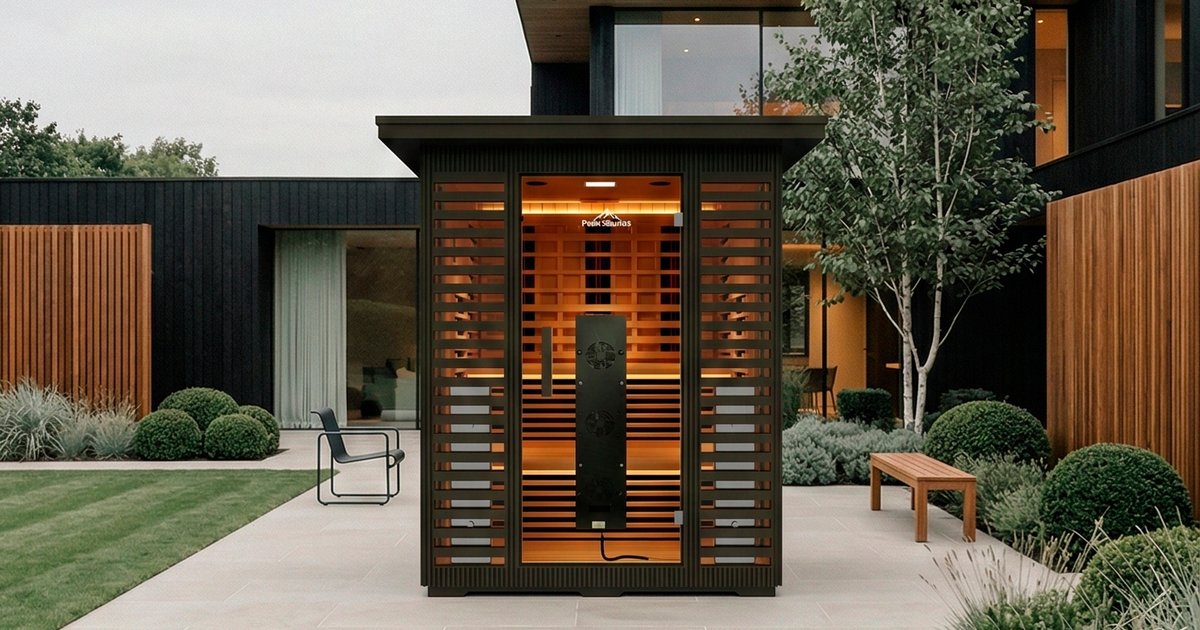
Your telomeres—the protective caps on your chromosomes—shorten with age. But the rate of shortening isn't fixed. One of the most powerful predictors of accelerated telomere loss is sleep. Poor sleep ages your DNA faster than almost any other lifestyle factor. Understanding this relationship is crucial for longevity. infrared sauna for better sleep
What Telomeres Are and Why They Matter
Telomeres are repeating DNA sequences at the ends of your chromosomes. They protect genetic information from degradation, similar to how the plastic tips on shoelaces prevent fraying. Each time a cell divides, telomeres shorten slightly. Eventually, they become too short for further division, and the cell either dies or enters senescence (becomes inactive).
Telomere length is a measure of cellular age. Shorter telomeres predict:
-
Cardiovascular disease
-
Cognitive decline and dementia
-
Reduced lifespan
-
Increased mortality from all causes
Remarkably, people with "biologically older" telomeres (much shorter than their chronological age) show all the signs of accelerated aging, even if they're relatively young.
The Sleep-Telomere Connection
Research from UC San Francisco found that women with chronic insomnia had telomeres equivalent to someone 9-17 years older. That's not a small age difference—that's a decade or more of accelerated cellular aging compressed into poor sleep habits.
The mechanism involves multiple pathways:
Oxidative stress: During sleep, your cells reduce reactive oxygen species (ROS) production and activate antioxidant systems. Poor sleep prevents this cleanup, leaving your cells bathed in oxidative stress. ROS directly damages telomeric DNA. sauna stress relief
Elevated cortisol: Sleep deprivation elevates cortisol, and high cortisol directly shortens telomeres by reducing telomerase activity (the enzyme that maintains telomeres).
Inflammation: Poor sleep increases pro-inflammatory cytokines (TNF-alpha, IL-6, CRP). Chronic inflammation drives telomere shortening.
Cell division acceleration: Sleep-deprived cells attempt to repair damage through increased division, accelerating telomere shortening.
Impaired telomerase: Telomerase is the enzyme that extends telomeres. Sleep is when telomerase is most active. Without adequate sleep, telomerase activation is reduced, and telomere maintenance fails.
The Sleep Duration Sweet Spot
Research on sleep duration and telomere length shows a clear pattern:
-
Less than 5 hours nightly: Accelerated telomere shortening. Equivalent to 9-17 years of additional aging.
-
5-6 hours nightly: Moderate shortening. Measurably more telomere loss than 7-8 hour sleepers.
-
7-9 hours nightly: Optimal range for most people. Minimal telomere shortening, maintained health.
-
More than 9 hours nightly: In healthy sleepers, no additional benefit. In those with underlying illness, excessive sleep may indicate disease.
The relationship is dose-dependent: each additional hour of sleep (up to 7-9 hours) correlates with preserved telomere length.
Sleep Quality Matters as Much as Duration
Getting 8 hours of fragmented, interrupted sleep doesn't provide the telomere-protective benefits of 7 hours of consolidated, deep sleep. Sleep architecture—the proportion of slow-wave (deep) sleep and REM sleep—is crucial.
During slow-wave sleep, your body:
-
Clears metabolic waste and toxins
-
Activates telomerase
-
Reduces oxidative stress
-
Consolidates memory
During REM sleep, your brain processes emotions and consolidates learning. Both are critical.
Sleep apnea—even mild, undiagnosed cases—fragments sleep and prevents adequate slow-wave sleep. People with sleep apnea show accelerated telomere shortening even if their total sleep duration seems adequate.
Rebuilding Telomeres Through Sleep
The encouraging finding: telomere shortening from poor sleep is partially reversible. People who improve their sleep habits show measurable telomere stabilization within weeks and gradual lengthening over months (through increased telomerase activity).
This means improving sleep is one of the few interventions that directly address a fundamental aging marker.
How to Optimize Sleep for Telomere Health
Consistency is non-negotiable: The single most powerful sleep intervention is consistent sleep timing. Go to bed and wake at the same time daily, even weekends. This stabilizes your circadian rhythm and maximizes slow-wave sleep.
7-9 hours nightly: Target for most adults. Non-negotiable for longevity.
Cool, dark bedroom: Temperature (60-67°F / 15-19°C) and darkness are the most powerful environmental factors for deep sleep.
No light 1-2 hours before bed: Blue light suppresses melatonin. Use amber-tinted glasses or night mode.
No caffeine after 2 PM: Caffeine's half-life is 5-6 hours. Evening consumption fragments sleep.
Avoid alcohol: While alcohol helps you fall asleep, it fragments REM and slow-wave sleep in the second half of the night.
Sleep is non-negotiable: Treat sleep as essential maintenance, not optional. It's not laziness; it's cellular preservation.
The Bottom Line
Your telomeres shorten with every year of life, but the rate of shortening is dramatically influenced by sleep. Poor sleep ages your DNA 9-17 years faster. Conversely, excellent sleep preserves telomere length and may even allow slight lengthening through increased telomerase activity. For anyone serious about longevity, optimizing sleep is non-negotiable.
How This Connects to Infrared Sauna Use
Regular infrared sauna use improves sleep quality through multiple mechanisms: reduced cortisol, improved parasympathetic tone, and increased body temperature drop post-sauna (which deepens sleep). Ideally, use sauna 3-4 hours before bed to allow your core temperature to drop, which signals the body to begin melatonin production.
By combining excellent sleep with regular sauna use, you're addressing telomere shortening from multiple angles: the sauna reduces cortisol and oxidative stress, while sleep allows full telomerase activation and metabolic cleanup. This combination is one of the most powerful longevity strategies available.
🎙️ Related Episode
How to Fix Your Sleep With Your Sauna — The science of core body temperature — and a specific protocol to get your best sleep tonight.
▶ Listen on Spotify ▶ Watch on YouTube

