The PEAK journal
NAD+ and Aging: What the Science Says (And What It Doesn't)
NAD+ (nicotinamide adenine dinucleotide) is a crucial molecule that declines with age. It's central to energy metabolism, DNA repair, and sirtuin activation—all fundamental to longevity. The question is: does directly raising NAD+ through supplementation extend lifespan, or is the decline a symptom rather than a cause of aging?
What NAD+ Does
NAD+ is a coenzyme found in every cell. It's involved in:
Energy metabolism: NAD+ is essential for glycolysis, the citric acid cycle, and ATP production. Without adequate NAD+, your cells can't produce energy efficiently.
DNA repair: NAD+-dependent enzymes (PARP) repair DNA damage. Adequate NAD+ is essential for genomic stability.
Sirtuin activation: Sirtuins (SIRT1-7) are a family of proteins that regulate aging pathways. They:
-
SIRT1: Activates autophagy, increases mitochondrial biogenesis
-
SIRT3: Improves mitochondrial function
-
SIRT6: Maintains chromosomal stability and extends lifespan in mice
-
SIRT7: Improves ribosomal function
All sirtuins require NAD+ as a cofactor. More NAD+ = more active sirtuins.
Circadian rhythm regulation: NAD+-dependent sirtuins regulate circadian clocks, affecting sleep and metabolism. infrared sauna for better sleep
NAD+ Decline with Age
NAD+ levels drop by 50% or more between age 20 and 80. This decline is associated with:
-
Reduced mitochondrial function
-
Impaired DNA repair capacity
-
Reduced sirtuin activity
-
Increased senescent cells
-
Metabolic dysfunction
This decline is so consistent that NAD+ levels are sometimes used as a biomarker of aging.
What Causes NAD+ Decline
Reduced NAD+ synthesis: NAD+ is synthesized from the amino acid tryptophan via the kynurenine pathway. This synthesis becomes less efficient with age.
Increased NAD+ consumption: Proteins that consume NAD+ (PARP doing DNA repair, sirtuins, CD38) become more active with age as cells accumulate damage. This consumes NAD+ faster than it's synthesized.
Mitochondrial dysfunction: Aging mitochondria produce less NAD+, creating a vicious cycle: reduced NAD+ impairs mitochondrial function, which further reduces NAD+ production.
The Evidence: Can Raising NAD+ Extend Life
Animal studies: In mice and other organisms, interventions that raise NAD+ extend lifespan by 10-30%. This includes:
-
Caloric restriction (which raises NAD+)
-
Exercise (which raises NAD+)
-
NAD+ precursor supplementation (NMN, NR, niacin)
The effect is so consistent across organisms that NAD+ is considered foundational to aging biology.
Human studies: Here's where it gets complicated. While animal studies show consistent lifespan extension, human longevity studies are lacking. We have:
-
Studies showing NAD+ supplementation improves exercise capacity in older adults
-
Studies showing improvements in muscle strength and metabolic markers
-
Studies showing improved muscle insulin sensitivity
-
Studies showing improved mitochondrial function
But no randomized controlled trials showing that NAD+ supplementation extends human lifespan. This is because longevity trials take decades.
NAD+ Precursors: Which Work Best
Several supplements claim to raise NAD+:
Nicotinamide riboside (NR): Raises NAD+ levels in human studies. Effective at doses of low EMF daily. Generally well-tolerated.
Nicotinamide mononucleotide (NMN): Raises NAD+ in animals effectively. In humans, the evidence is more mixed—some studies show robust increases, others show minimal effect. May have bioavailability challenges.
Niacin (vitamin B3): Raises NAD+ when taken as a supplement (doses >1000mg daily). Well-studied, inexpensive. Can cause flushing.
Pterostilbene and resveratrol: Activate sirtuins, potentially improving NAD+ efficiency. Found in foods (grapes, berries) but in small amounts.
The Practical Perspective
The evidence suggests:
What's established: NAD+ decline is real, contributes to aging, and raising NAD+ improves multiple health markers in humans.
What's probable but unproven: Raising NAD+ extends human lifespan, at least when done consistently and starting before severe age-related decline.
What's speculative: The optimal dose, duration, and which precursor works best for longevity specifically (rather than health markers).
An Alternative Approach: Preserve NAD+ Through Lifestyle
Rather than (or in addition to) supplementing NAD+ precursors, you can preserve NAD+ through:
Exercise: Both Zone 2 training and high-intensity work increase NAD+ levels. Regular exercise maintains higher NAD+ than supplementation alone.
Intermittent fasting: Fasting raises NAD+ levels through AMPK activation and reduced NAD+ consumption (less DNA damage to repair).
Sleep: Adequate sleep preserves NAD+ by reducing oxidative stress and DNA damage. sauna stress relief
Heat exposure (sauna): Sauna activates sirtuins and AMPK, which both improve NAD+ signaling efficiency and may raise NAD+ levels.
Avoid alcohol and smoking: Both reduce NAD+ levels and increase NAD+ consumption.
This lifestyle-based approach maintains NAD+ without supplementation and addresses multiple aging pathways simultaneously.
Practical Recommendation
For most people:
-
Primary: Optimize the lifestyle factors that preserve NAD+ (exercise, fasting, sleep, heat)
-
Secondary: If budget allows and you're committed to longevity, NAD+ precursor supplementation may provide additional benefit
If supplementing NAD+ precursors:
-
Nicotinamide riboside: low EMF daily, with most evidence at 250 mg
-
Take consistently: Benefits accumulate over weeks and months
-
Combine with lifestyle interventions: Supplementation is far more effective when combined with exercise and fasting
The Bottom Line
NAD+ decline is a real hallmark of aging. Raising NAD+ improves health markers in humans. Whether it extends lifespan remains unproven but plausible based on animal data. Lifestyle approaches (exercise, fasting, sleep) are established NAD+ preservers. NAD+ supplementation may provide additional benefit but shouldn't displace lifestyle interventions.
How This Connects to Infrared Sauna Use
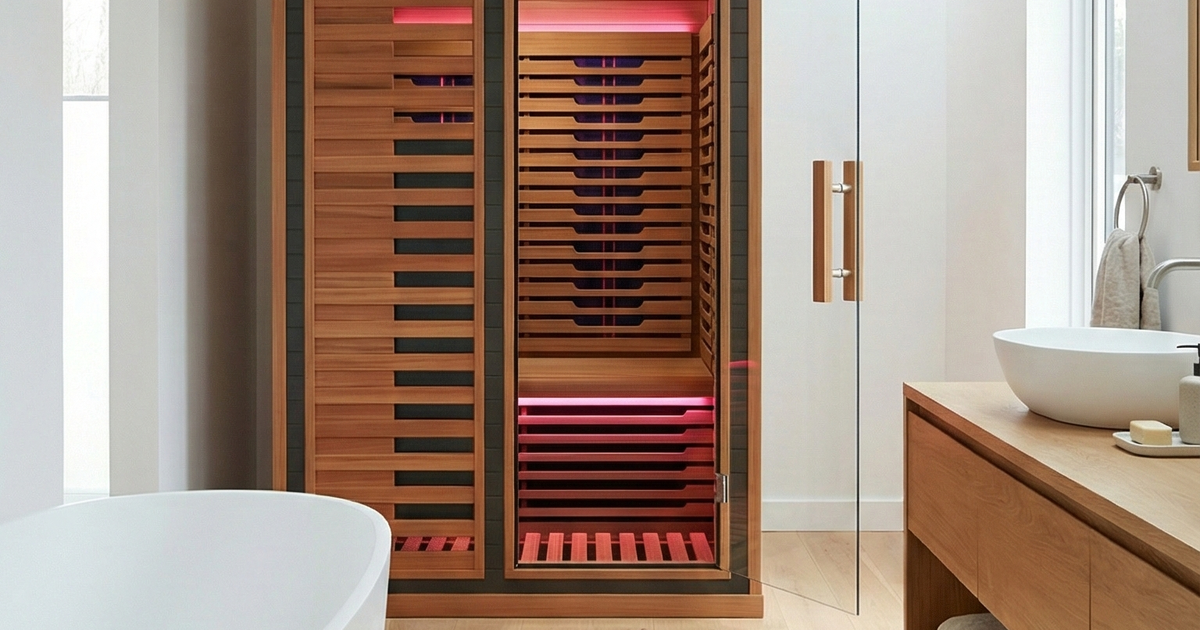
Sauna use activates sirtuins and AMPK signaling—the NAD+-dependent mechanisms of aging—more directly than NAD+ supplementation alone. While sauna doesn't directly raise NAD+ levels, it improves NAD+ signaling efficiency and reduces NAD+ consumption (by reducing DNA damage through heat stress adaptation).
Regular sauna use combined with exercise and intermittent fasting creates the most comprehensive NAD+ preservation strategy: maintaining high NAD+ levels through lifestyle while maximizing the cells' ability to use NAD+ effectively through sirtuin and AMPK activation.
🎙️ Related Episode
How to Fix Your Sleep With Your Sauna — The science of core body temperature — and a specific protocol to get your best sleep tonight.
▶ Listen on Spotify ▶ Watch on YouTube

