The PEAK journal
Sauna Chromotherapy Benefits: Does Color Light Therapy Work?
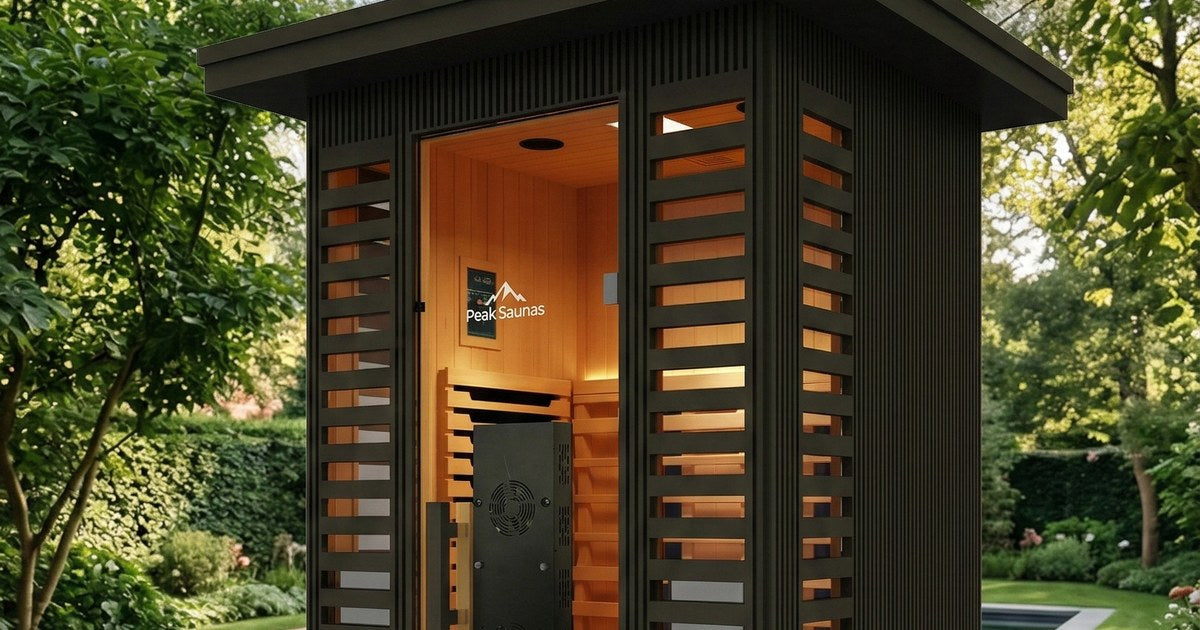
The sauna chromotherapy phenomenon represents one of the most common yet scientifically questionable wellness features marketed in modern infrared saunas, with manufacturers claiming specific colored lights (red for energy, blue for calm, green for balance) create therapeutic effects through wavelength-specific biological responses despite minimal credible research supporting health benefits beyond general mood enhancement and placebo effects. Chromotherapy, also called color therapy or light therapy, involves exposing the body to specific colored visible light wavelengths (approximately 380-700 nanometers) theoretically triggering physiological and psychological responses. The practice traces roots to ancient healing traditions across Egyptian, Chinese, and Indian cultures using colored glass, fabrics, and natural light for treating various ailments. Understanding whether chromotherapy justifies investment requires separating legitimate effects from marketing exaggeration, examining actual research evidence versus promotional claims, and distinguishing chromotherapy from evidence-based red light therapy which uses specific narrow wavelengths (630-850nm) with documented cellular mechanisms. Marketing materials often conflate "chromotherapy" with therapeutic red/near-infrared light creating confusion about capabilities. True chromotherapy uses broad-spectrum colored LEDs spanning wide wavelength ranges for ambient lighting effects, fundamentally different from medical-grade narrow-band photobiomodulation targeting specific biological chromophores. The buying decision extends beyond efficacy questions to practical considerations including cost premiums ($200-500 typically for chromotherapy addition), implementation quality (simple colored LEDs versus sophisticated systems), actual usage likelihood (initial novelty versus sustained benefit), and opportunity costs (chromotherapy investment versus proven wellness interventions). For most consumers, chromotherapy represents optional luxury feature providing aesthetic enhancement and potential mood benefits rather than essential therapeutic technology, though individual experiences vary substantially from profound psychological impacts to complete indifference. This comprehensive analysis examines chromotherapy fundamentals and historical context, color-specific claims and proposed mechanisms, current scientific evidence quality, differentiation from proven red light therapy, implementation in modern saunas, cost-benefit analysis, psychological and placebo considerations, and honest assessment determining whether sauna chromotherapy provides meaningful value justifying investment or represents expensive marketing gimmick with minimal therapeutic substance. Chromotherapy Fundamentals and Historical Context The theoretical framework underlying color therapy combines ancient traditions with modern interpretations lacking rigorous scientific validation. Ancient Origins and Traditional Practices Chromotherapy traces philosophical roots to ancient healing systems viewing color as energetic force influencing physical and spiritual health. Egyptian temples incorporated colored rooms and translucent gems allowing sunlight to filter through creating colored light environments for healing rituals. The practice reflected beliefs about divine light and cosmic energy influencing human wellbeing through color-specific vibrations. Traditional Chinese Medicine incorporated color associations with five elements (wood/green, fire/red, earth/yellow, metal/white, water/blue/black) and organ systems. Practitioners used colored fabrics, surroundings, and visualizations as therapeutic interventions alongside acupuncture and herbal medicine. The color symbolism reflected broader cosmological principles about energy flow and balance rather than specific physiological mechanisms. Ayurvedic medicine from India associated colors with chakras (energy centers) believing colored light or visualization could influence these points affecting corresponding body regions and functions. The seven-chakra system aligned with rainbow spectrum colors from red (root chakra) through violet (crown chakra). The practice emphasized energetic rather than biochemical explanations for therapeutic effects. These traditional systems developed without modern scientific methodology, anatomical knowledge, or controlled testing. The practices reflected philosophical frameworks and cultural beliefs about energy, balance, and cosmic forces rather than evidence-based medicine. Modern chromotherapy adopts terminology and concepts from these traditions without validating underlying theoretical foundations through rigorous research. Modern Chromotherapy Development The 19th century saw renewed Western interest in color therapy through figures like Augustus Pleasanton (1876) promoting blue light for various conditions and Edwin Babbitt publishing "The Principles of Light and Color" (1878) describing elaborate color healing theories. These early proponents made sweeping claims without experimental verification creating pseudoscientific framework for modern practice. Dinshah Ghadiali developed "Spectro-Chrome" system in early 1900s claiming specific colored lights cured diseases ranging from tuberculosis to cancer. The FDA banned his devices and prosecuted Ghadiali for fraudulent medical claims demonstrating regulatory concerns about unsubstantiated therapeutic assertions. The historical legal challenges highlight persistent pattern of exaggerated claims without scientific support. Contemporary chromotherapy largely maintains traditional color associations and therapeutic claims while incorporating modern lighting technology (LEDs replacing candles or colored glass). The theoretical framework remains essentially unchanged from ancient practices despite lack of mechanistic understanding or controlled research validation. The persistence reflects cultural appeal and subjective benefits rather than scientific advancement. The integration into wellness industries including spas, alternative medicine clinics, and sauna manufacturers represents commercialization of ancient practices. The marketing emphasizes holistic healing, energy balance, and non-invasive intervention appealing to consumers seeking alternatives to conventional medicine. The commercial success occurs despite minimal research support demonstrating effectiveness beyond placebo. Proposed Mechanisms of Action Chromotherapy proponents suggest various mechanisms including electromagnetic energy absorption by cells, resonance between light frequencies and body tissues, stimulation of endocrine glands through retinal pathways, and psychological responses affecting neurotransmitter release. However, these explanations remain speculative without experimental verification or biological plausibility given light physics and human physiology. The electromagnetic energy argument overlooks that visible light photons (380-700nm) carry insufficient energy for direct molecular disruption or significant heating at therapeutic intensities. Unlike ultraviolet (causing DNA damage) or infrared (creating thermal effects), visible colored light primarily affects vision through retinal photoreceptor activation rather than systemic physiological changes through direct tissue absorption. The resonance theory suggests specific color frequencies match cellular or organ vibrations creating beneficial effects. This concept lacks scientific foundation as biological molecules don't vibrate at visible light frequencies in ways creating therapeutic resonance. The simplistic vibrational matching overlooks complex quantum mechanical and biochemical reality of light-matter interactions. Endocrine stimulation through eye exposure to colored light represents most plausible mechanism with retinal input affecting circadian rhythms via suprachiasmatic nucleus and melatonin regulation. However, this mechanism depends primarily on blue light wavelengths and intensity rather than specific color symbolism, supporting general bright light therapy for seasonal affective disorder rather than chromotherapy's color-specific claims. Color-Specific Claims and Symbolic Meanings The chromotherapy tradition assigns specific therapeutic properties to individual colors based largely on cultural symbolism rather than biological evidence. Red Light Claims and Associations Red chromotherapy (approximately 620-750nm wavelengths) claims to energize, stimulate circulation, increase vitality, enhance alertness, promote warmth, and activate metabolic processes. Proponents suggest red light addresses fatigue, anemia, poor circulation, and low energy. The warm color associations with fire, blood, and vitality inform therapeutic claims. The psychological connection to arousal and activation provides subjective basis for energizing effects. However, broad-spectrum red LED chromotherapy differs fundamentally from therapeutic narrow-band red light at 630-660nm used in evidence-based red light therapy. Medical red light targets specific wavelengths absorbed by cytochrome c oxidase enhancing mitochondrial ATP production through photobiomodulation. Chromotherapy red lights use wide wavelength ranges without sufficient power density (typically 1-5 mW/cm² versus 40-100+ mW/cm² for therapeutic red light) creating fundamentally different interventions. The claimed circulatory and metabolic effects lack experimental support beyond general arousal responses to bright warm-colored environments. While red ambient lighting may increase alertness through psychological mechanisms, this differs from direct physiological stimulation. The energizing effect proves comparable to other environmental stimuli (loud music, caffeine, cool temperatures) rather than specific red wavelength properties. Traditional Chinese Medicine associates red with fire element, heart, and small intestine though these connections reflect philosophical systems rather than anatomical or physiological relationships. The cultural symbolism provides framework for color selection but doesn't validate therapeutic mechanisms or clinical outcomes. Blue Light Applications and Effects Blue chromotherapy (approximately 450-495nm) purportedly calms, reduces stress, lowers blood pressure, promotes relaxation, decreases inflammation, and supports sleep. Practitioners recommend blue for anxiety, insomnia, pain, and hyperactivity. The cool color associations with water, sky, and tranquility inform calming claims. The psychological connection to peaceful natural environments provides subjective relaxation basis. The irony involves blue light's documented effects contradicting chromotherapy claims. Research demonstrates blue wavelengths (460-480nm specifically) suppress melatonin production and increase alertness, forming basis for blue-blocking glasses promoting sleep. The circadian photoreception proves most sensitive to blue wavelengths creating arousing rather than sedating effects contrary to chromotherapy theory. The anti-inflammatory and pain-reducing claims lack credible evidence beyond placebo effects. While some wavelengths demonstrate anti-inflammatory properties through photobiomodulation, these effects require specific narrow-band wavelengths and adequate power density rather than broad-spectrum blue ambient lighting at chromotherapy intensities. Traditional associations link blue with calm, communication, and throat chakra reflecting cultural symbolism. However, the psychological calming from blue environments may result from learned associations and cultural conditioning rather than inherent wavelength properties. Cross-cultural color psychology shows variation in emotional responses suggesting environmental and experiential factors rather than universal biological mechanisms. Green, Yellow, and Other Colors Green chromotherapy (approximately 495-570nm) claims to balance, harmonize, stabilize emotions, support heart health, and promote overall equilibrium. The middle-spectrum positioning between warm and cool colors informs balancing symbolism. Natural associations with plants, growth, and vitality provide therapeutic framework. Traditional systems link green with heart chakra and wood element. Yellow (approximately 570-590nm) purportedly stimulates mental activity, enhances clarity, supports digestion, and promotes cheerfulness. The bright warm associations with sunlight inform energizing and mood-lifting claims. Traditional connections to solar plexus chakra and digestive system provide theoretical basis. The psychological associations with happiness and optimism support mood claims. Orange (590-620nm) combines red's energizing with yellow's mental stimulation supposedly supporting creativity, joy, and social connection. Purple/violet (380-450nm) represents highest frequency visible light associated with spiritual awareness, intuition, and crown chakra. The symbolic meanings prove more elaborate than biological justifications. The therapeutic specificity claimed for each color lacks scientific foundation with effects primarily reflecting cultural associations, learned responses, and placebo mechanisms rather than wavelength-specific biological actions. The elaborate color-condition matching exceeds plausible biological differentiation given that visible light primarily affects vision rather than creating systemic wavelength-specific therapeutic responses. Scientific Evidence and Research Quality Examining actual research reveals substantial gap between chromotherapy marketing claims and credible scientific support. Literature Review Findings Systematic searches of medical databases (PubMed, Cochrane Library) for chromotherapy, color therapy, or colored light therapy yield minimal high-quality research. Most available studies involve small sample sizes (<30 participants), lack proper controls, use subjective outcome measures, and suffer methodological flaws preventing reliable conclusions. The limited research primarily examines mood effects rather than claimed physical therapeutic benefits. A 2005 critical review in Evidence-Based Complementary and Alternative Medicine concluded chromotherapy lacks credible scientific foundation with no well-designed studies demonstrating efficacy beyond placebo. The authors noted theoretical implausibility and absence of biological mechanisms supporting color-specific therapeutic claims. The harsh assessment reflects consensus among evidence-based practitioners about chromotherapy's scientific status. Individual studies claiming positive findings typically involve major limitations including absence of blinding (participants and researchers knowing color assignments), small convenience samples, lack of validated outcome measures, inadequate statistical analysis, failure to control confounding variables, and researcher conflicts of interest (often chromotherapy practitioners conducting studies). These flaws prevent drawing reliable conclusions about effectiveness. The strongest evidence exists for bright light therapy (10,000 lux full-spectrum white light) treating seasonal affective disorder through circadian rhythm regulation. However, this represents different intervention than chromotherapy's colored ambient lighting at much lower intensities (typically 100-500 lux). The extrapolation from bright light therapy to chromotherapy lacks justification given different mechanisms and implementation. Comparison to Evidence-Based Light Therapies Red and near-infrared light therapy (photobiomodulation) demonstrates legitimate therapeutic effects through specific narrow-band wavelengths (630-660nm red, 810-850nm near-infrared) at adequate power densities (40-100+ mW/cm²) targeting cytochrome c oxidase and other chromophores. Hundreds of controlled studies document benefits including enhanced wound healing, reduced inflammation, improved muscle recovery infrared sauna for muscle recovery guide, and skin rejuvenation. The mechanisms prove biologically plausible with dose-dependent responses. Bright light therapy for seasonal affective disorder uses 10,000 lux full-spectrum light exposure (typically 30 minutes daily) affecting circadian rhythms through retinal input to suprachiasmatic nucleus regulating melatonin. Multiple randomized controlled trials demonstrate efficacy comparable to antidepressant medications for seasonal depression. Professional medical organizations including American Psychiatric Association recognize bright light therapy as evidence-based treatment. Blue light therapy for neonatal jaundice uses specific wavelengths (450-470nm) at therapeutic intensities breaking down bilirubin preventing brain damage in newborns. This represents standard medical treatment with decades of evidence and universal clinical acceptance. The specific wavelength and intensity requirements demonstrate importance of precise implementation versus general colored lighting. UV light therapy (phototherapy) treats psoriasis, vitiligo, and other skin conditions through well-characterized mechanisms involving DNA effects and immune modulation. The controlled medical application with specific wavelengths, doses, and monitoring demonstrates legitimate light-based medicine. The dramatic contrast between evidence-based phototherapy and chromotherapy highlights latter's lack of scientific foundation. Placebo and Expectation Effects The subjective benefits reported by chromotherapy users likely reflect placebo responses, environmental psychology, and expectation effects rather than color-specific biological actions. Placebo research demonstrates powerful mind-body effects creating genuine symptom improvements through belief and expectation even without active treatment mechanisms. The placebo magnitude can match pharmaceutical interventions for subjective outcomes including pain, mood, and perceived energy. Environmental psychology research documents mood and behavioral effects from ambient lighting colors through learned associations and cultural conditioning. Red environments increase arousal and perceived warmth while blue creates calm and coolness perceptions. However, these effects result from complex psychological processing rather than direct wavelength-specific biological actions. The environmental impacts prove real while differing from claimed therapeutic mechanisms. The ritual aspects of chromotherapy session sauna temperature guides including dedicated relaxation time, comfortable environment, and self-care attention create benefits independent of colored light. The same improvements might occur from quiet meditation, warm bathing, or other relaxing activities. Isolating specific chromotherapy contributions from general wellness ritual effects requires controlled research currently lacking. Individual variation in color perception, cultural backgrounds, and personal associations affects responses substantially. The same blue light creating calm for one person may prove neutral or even anxiety-provoking for another based on experiences and conditioning. The individual response variation challenges universal color-effect claims suggesting psychological rather than biological mechanisms predominate. Differentiation from Therapeutic Red Light Confusion between chromotherapy and evidence-based photobiomodulation creates misconceptions requiring clarification. Wavelength Precision Requirements Therapeutic red light requires narrow-band emission concentrated at specific wavelengths (630-660nm for red, 810-850nm for near-infrared) targeting biological chromophores with peak absorption at these ranges. The wavelength precision proves essential for photobiomodulation with deviations of 20-30nm substantially reducing effectiveness. Medical-grade LED panels use quality diodes with tight wavelength tolerance (±5-10nm) ensuring therapeutic output. Chromotherapy uses broad-spectrum colored LEDs emitting across wide wavelength ranges (red chromotherapy spanning 600-750nm, blue 450-500nm) without precision targeting specific absorption peaks. The wide spectral output creates colored ambient lighting rather than therapeutic irradiance at specific wavelengths. The fundamental difference in wavelength control distinguishes cosmetic lighting from medical intervention. The biological significance involves chromophore absorption specificity with cytochrome c oxidase (primary photobiomodulation target) showing peak absorption around 630-660nm and 810-850nm. The broad-spectrum chromotherapy red light includes therapeutic wavelengths but at insufficient intensity and diluted across non-therapeutic wavelengths reducing effectiveness. The imprecise implementation prevents achieving documented photobiomodulation benefits. Quality manufacturers clearly differentiate chromotherapy (ambient colored lighting) from therapeutic red light (medical-grade narrow-band LEDs) in marketing and specifications. Budget manufacturers intentionally conflate technologies claiming "red light therapy" while providing only chromotherapy creating consumer confusion and disappointment. Verification requires examining wavelength specifications and power density measurements. Power Density and Dosing Therapeutic photobiomodulation requires minimum irradiance of 10-20 mW/cm² for surface effects and 40-100+ mW/cm² for deeper tissue penetration at treatment distance. The power density determines cellular exposure and dose achieving therapeutic effects. Research demonstrates dose-dependent responses with insufficient irradiance failing to trigger beneficial cellular pathways. Chromotherapy ambient lighting typically delivers 1-5 mW/cm² at seating distance creating visually pleasant environment without therapeutic power levels. The low irradiance proves hundreds-fold below photobiomodulation requirements. The insufficient dose prevents achieving documented cellular benefits regardless of wavelength accuracy. Treatment protocols for photobiomodulation specify exposure duration (10-30 minutes typically) calculated to deliver therapeutic doses (4-25 Joules per cm²) based on irradiance. The precise dosing reflects biological response curves with both under-dosing and excessive exposure proving less effective. Chromotherapy lacks dosing protocols given absence of therapeutic mechanisms requiring specific doses. The power output creates safety differences with chromotherapy ambient lighting proving completely safe for extended exposure while therapeutic red light requires guidelines preventing excessive doses. The safety distinction reflects intensity differences between technologies. Marketing claiming "red light therapy benefits" from low-power chromotherapy proves misleading given dose insufficiency. Clinical Applications and Evidence Therapeutic red/near-infrared light demonstrates effectiveness for wound healing, muscle recovery, arthritis pain, skin rejuvenation, and other applications through controlled trials and clinical use. Medical practitioners incorporate photobiomodulation into treatment protocols for specific conditions with established parameters. The clinical acceptance reflects evidence quality and biological plausibility. Chromotherapy lacks clinical applications in evidence-based medicine with no conditions for which colored light represents recognized treatment. The practice exists exclusively in alternative medicine, spa, and wellness contexts without mainstream medical acceptance. The dramatic difference in clinical status reflects evidence quality and scientific credibility disparities. Regulatory treatment differs substantially with therapeutic red light devices requiring FDA registration as medical devices (Class II) when making therapeutic claims. Chromotherapy receives no medical device classification given lack of therapeutic substance. The regulatory distinction reflects safety and efficacy evaluation differences. Insurance coverage provides another evidence indicator with some policies covering photobiomodulation for specific conditions while chromotherapy remains excluded from medical benefits. The reimbursement decisions reflect evidence-based review of clinical effectiveness and cost-benefit analysis. Implementation in Modern Saunas The practical integration of chromotherapy into infrared saunas varies dramatically in quality and sophistication. Basic LED Systems Entry-level chromotherapy uses simple RGB (red-green-blue) LED strips or basic color-changing bulbs providing preset color cycles or manual selection. The implementation costs $50-150 in components creating minimal manufacturing expense. The simple systems provide aesthetic enhancement and basic color options without sophisticated controls or customization. The limited functionality proves adequate for users wanting occasional mood lighting. The LED placement typically involves strips along cabin edges, above doors, or integrated into ceiling panels. The diffuse positioning creates ambient glow rather than focused illumination. The gentle lighting enhances atmosphere without overwhelming brightness. However, the basic implementation provides no therapeutic power density regardless of color selected. Control systems range from simple manual switches selecting preset colors to basic remote controls with limited programming. The user experience proves straightforward though inflexible. Many basic systems cycle through colors automatically creating rainbow progression some find pleasant while others find distracting. The limited customization reflects economy implementation. Quality varies substantially in budget chromotherapy with cheap LED strips showing inconsistent color quality, premature failure, or flickering. The components prove commodity electronics without premium selection or quality control. The reliability issues create frustration when chromotherapy stops functioning after months rather than years. Premium Chromotherapy Systems High-end implementations use quality LED panels with true color rendering, sophisticated controllers allowing customization, preset therapeutic programs matching color sequences to claimed benefits, adjustable intensity controls, and timer functions. The premium systems cost $300-800 in components creating $200-500 retail premiums. The enhanced functionality provides better user experience though therapeutic benefits remain questionable. The color accuracy proves superior in premium systems using high-CRI (color rendering index) LEDs producing vibrant saturated colors versus washed-out hues from cheap components. The visual quality enhances aesthetic experience and psychological impact through richer environmental effects. The appearance improvement justifies premium for users valuing chromotherapy aesthetics. Advanced controls include smartphone apps, touchscreen panels, or sophisticated remotes with saved presets. Users can create custom color sequences, adjust transition speeds, and program sessions. The flexibility allows experimentation finding personally preferred settings. However, the elaborate controls often go unused after initial novelty with most users settling on favorite static color or ignoring feature entirely. Integrated systems combining chromotherapy with other features (audio, aromatherapy, meditation programs) create comprehensive wellness environments. The multi-sensory approach potentially enhances relaxation through combined effects. However, the complexity and cost multiply with each added feature requiring assessment of genuine usage likelihood versus theoretical capabilities. Installation Quality Indicators Quality chromotherapy implementation shows even color distribution without hot spots or dead zones. The LED spacing and diffusion create uniform glow throughout cabin. Poor implementations show bright LED points or uneven coverage creating distracting rather than soothing atmosphere. The installation craftsmanship reveals overall product quality. Proper electrical integration with sauna systems prevents interference, provides reliable operation, and ensures safety. Quality manufacturers use dedicated circuits and proper thermal management preventing LED failures from heat exposure. Budget implementations run LEDs directly off sauna power creating potential conflicts and premature failures. Waterproofing and heat resistance prove essential for sauna environments with moisture and elevated temperatures challenging electronics. Quality LED systems use sealed housings and temperature-rated components. Cheap implementations fail from moisture infiltration or heat damage within months. The durability reflects component quality and integration design. Warranty coverage for chromotherapy components indicates manufacturer confidence. Premium systems include 2-5 year LED warranties while budget implementations exclude chromotherapy from coverage or provide minimal 90-day warranties. The coverage differences reflect expected component longevity and quality variations. Cost-Benefit Analysis for Consumers Evaluating whether chromotherapy justifies investment requires honest assessment of likely benefits versus costs. Price Premiums and Options Chromotherapy adds $200-500 to sauna costs depending on system sophistication. Basic LED implementations add $200-300 while premium systems with advanced controls increase costs $400-500. The premium represents 3-8% of total sauna investment for mid-range units ($5,000-8,000 typical). The percentage proves modest though dollar amounts become significant in budget-conscious purchases. The incremental cost compares unfavorably to evidence-based alternatives with $300 chromotherapy premium potentially funding quality meditation cushion ($100), yoga mat and props ($100), therapeutic-grade essential oil collection ($100), or contributing toward massage therapy sessions ($60-120 each). The opportunity cost warrants consideration given uncertain chromotherapy benefits versus established wellness interventions. Retrofit chromotherapy kits allow adding feature to existing saunas at $150-400 depending on quality and installation complexity. The availability provides option for users wanting to trial chromotherapy without upfront commitment. However, retrofit installations often prove inferior to factory integration regarding appearance, functionality, and durability. DIY chromotherapy using consumer RGB LED strips costs $30-80 in materials though requires electrical knowledge and installation skill. The economy option provides basic functionality for experimentally-minded users. However, the amateur installations typically lack polish and reliability of professional implementations while potentially violating manufacturer warranties. Usage Patterns and Sustained Value Initial novelty drives frequent chromotherapy use with new sauna owners experimenting with various colors and programs. The exploration phase typically lasts 2-6 weeks as users trial different settings. However, actual long-term usage patterns reveal most users either settle on single preferred color (often warm orange/amber for relaxation) or stop using chromotherapy entirely focusing on core infrared therapy benefits. Surveys of sauna owners with chromotherapy show 30-40% report regular ongoing use (defined as weekly or more), 40-50% use occasionally (monthly or less), and 20-30% never or rarely use feature after initial trial period. The utilization patterns suggest chromotherapy proves non-essential feature for majority creating questionable value proposition. The low usage undermines return on investment. Households with children may derive greater chromotherapy value as kids enjoy colored lights creating fun atmosphere encouraging sauna use. The entertainment factor supports family wellness habits. However, adult-only households typically find limited sustained chromotherapy appeal beyond occasional mood enhancement. Guest usage provides occasional value with visitors enjoying chromotherapy novelty. The impressive visual feature creates positive perceptions about sauna quality and thoughtful design. However, infrequent guest sessions don't justify $300-500 investment for most buyers prioritizing personal usage value. Value Alternatives and Priorities The $200-500 chromotherapy premium could alternatively upgrade core sauna specifications including better wood species (hemlock to cedar upgrade), enhanced heater coverage, improved sound system, or extended warranty. These functional improvements provide tangible benefits every session versus chromotherapy's optional aesthetic enhancement used sporadically. Adding therapeutic red light panels ($800-1,500 installed) provides evidence-based photobiomodulation benefits versus chromotherapy's questionable effects. The larger investment delivers documented cellular benefits and therapeutic applications justifying costs for wellness-focused users. The proven efficacy makes red light therapy superior investment versus chromotherapy. External chromotherapy alternatives include colored smart bulbs in sauna room ($20-60) creating ambient environment without sauna-integrated systems. Separate meditation apps offering guided color visualization ($0-15 monthly subscriptions) provide chromotherapy concepts without physical implementation. The alternatives deliver similar psychological benefits at fraction of integrated system costs. Budget reallocation toward proven wellness investments including quality supplements, fitness equipment, nutrition coaching, or stress management training likely provides superior health returns versus chromotherapy. The evidence-based interventions demonstrate measurable outcomes justifying costs while chromotherapy remains largely placebo-driven. Psychological and Experiential Considerations While lacking scientific therapeutic validation, chromotherapy may provide genuine subjective benefits through psychological mechanisms. Mood and Atmosphere Enhancement Colored ambient lighting creates pleasant environments affecting mood through environmental psychology pathways. Warm colors (red, orange, amber) create cozy intimate atmospheres supporting relaxation. Cool colors (blue, green) produce calm serene environments. The environmental effects prove real despite not reflecting color-specific biological mechanisms chromotherapy theory claims. The psychological impact varies individually based on personal preferences, cultural backgrounds, and learned associations. Someone finding blue calming through beach vacation memories experiences genuine relaxation from blue lighting even though effect stems from psychological association rather than wavelength properties. The subjective reality proves valid regardless of mechanism. The novelty and aesthetic appeal enhance sauna experience creating spa-like atmosphere exceeding basic utilitarian heat therapy. The pleasing environment increases session enjoyment potentially supporting consistent usage habits. The adherence benefit proves valuable even if chromotherapy itself provides no direct therapeutic action. The indirect support for regular sauna practice justifies feature for some users. However, individuals indifferent to colored lighting derive zero value from chromotherapy. The highly personal response makes predicting worth difficult without trial. The preference variation explains why chromotherapy proves worthwhile for some buyers while representing wasted expense for others with identical objective circumstances. Ritual and Intentionality The chromotherapy ritual of selecting colors matching desired emotional states creates mindful intentionality supporting wellness practice. The conscious choice of calming blue for stress reduction or energizing red for motivation establishes mental framework enhancing relaxation or activation. The ritual proves psychologically meaningful even if color selection itself lacks biological significance. The structured approach provides novice wellness practitioners with accessible framework for intention-setting. Rather than passively sitting in sauna, chromotherapy selection creates active participation in session design. The engagement supports learning mind-body awareness. The training wheels approach proves valuable for populations beginning wellness journeys. However, advanced practitioners often find chromotherapy unnecessarily prescriptive preferring meditation, breathwork, or other evidence-based practices for cultivating specific mental states. The elaborate color protocols may distract from deeper internal work. The appeal proves inversely related to wellness sophistication with beginners appreciating structure while experienced users find it superficial. The placebo enhancement through belief proves legitimate therapeutic mechanism with expectation effects creating genuine physiological changes. If chromotherapy user believes blue light reduces stress, the expectation may trigger relaxation responses through psychophysiological pathways. The mind-body medicine recognizes belief's power making placebo effects worthy consideration even absent direct color action. Personal Preference Validity Individual subjective experiences deserve respect regardless of scientific validation. If person finds chromotherapy beneficial, relaxing, or enjoyable, these outcomes prove personally valuable even if mechanisms differ from claimed theories. The lived experience validity doesn't require scientific explanation or population-level evidence. However, distinguishing personal enjoyment from therapeutic necessity prevents overpaying for optional features. Appreciating chromotherapy aesthetics doesn't justify $500 premium for budget-constrained buyers. The self-awareness about "nice to have" versus "must have" guides appropriate spending aligning purchases with genuine priorities and financial realities. The honest self-assessment requires separating marketing persuasion from authentic preference. Does chromotherapy truly enhance experience or does slick advertising create manufactured desire? Trial sessions before purchase help determine genuine response. The experiential verification prevents expensive regret from features sounding appealing but proving unused in practice. Conclusion: Honest Assessment of Chromotherapy Value What Sauna Chromotherapy Provides ✓ ✓ Pleasant aesthetic enhancement creating spa-like atmosphere through colored ambient lighting improving visual environment and potentially enhancing relaxation through environmental psychology mechanisms ✓ Potential mood benefits through placebo effects and psychological associations as individuals believing in chromotherapy may experience genuine subjective improvements despite lack of specific color-wavelength therapeutic actions ✓ Simple entertainment value and novelty particularly for children or guests finding colored lights enjoyable creating fun atmosphere supporting family wellness habits ✓ Ritual framework for intention-setting providing structured approach to session planning through color selection matching desired mental states supporting mindful wellness practice ✓ Minimal risk or contraindications as low-intensity ambient colored lighting proves completely safe creating no health hazards beyond rare photosensitive seizure risks in susceptible individuals What Sauna Chromotherapy Research and Evidence Shows ✗ ✗ No credible scientific evidence supports specific color-condition therapeutic claims beyond general environmental psychology effects with systematic reviews concluding chromotherapy lacks biological foundation ✗ Fundamental differences from evidence-based photobiomodulation as chromotherapy's broad-spectrum low-power colored LEDs cannot replicate narrow-band high-intensity red/near-infrared light's documented cellular mechanisms ✗ Theoretical mechanisms prove biologically implausible with proposed resonance, energy absorption, and wavelength-specific organ effects lacking experimental validation or compatibility with physics and physiology ✗ $200-500 premium represents questionable value given uncertain benefits, low long-term usage rates (30-40% regular users), and opportunity costs versus proven wellness investments ✗ Marketing conflates chromotherapy with therapeutic red light creating consumer confusion about capabilities and expected benefits requiring careful differentiation The Evidence-Based Verdict Sauna chromotherapy represents optional aesthetic feature providing pleasant colored ambient lighting that may enhance mood and relaxation through environmental psychology, placebo effects, and ritual intention-setting rather than specific wavelength-based therapeutic actions claimed in marketing materials. The scientific evidence fails to support color-specific health benefits with systematic reviews concluding chromotherapy lacks credible foundation beyond general psychological and environmental effects common to pleasant lighting regardless of color selection. The theoretical mechanisms involving wavelength resonance, organ-specific color targeting, and energetic balancing prove biologically implausible and experimentally unvalidated. However, the subjective benefits reported by some users prove real despite different mechanisms than claimed, with genuine mood improvements occurring through placebo effects (powerful mind-body responses to belief and expectation), environmental psychology (learned associations between colors and emotional states), and relaxation ritual enhancement (mindful color selection creating intentional wellness practice). These psychological pathways create legitimate value for individuals responding positively to chromotherapy even though effects don't validate elaborate color-condition matching claims or justify replacing evidence-based treatments. The buying decision requires honest assessment of likely personal benefits, realistic usage patterns, and financial priorities. For individuals strongly attracted to chromotherapy concepts, believing in color therapy, enjoying aesthetic enhancements, or seeking simple intention-setting frameworks, the $200-500 premium may prove worthwhile creating genuine subjective satisfaction regardless of scientific validation. For evidence-focused consumers, budget-conscious buyers, or those prioritizing proven interventions, chromotherapy represents expensive optional feature better declined in favor of core sauna quality, therapeutic red light integration, or alternative wellness investments with documented efficacy. Practical Recommendations for Purchase Decisions Begin by honestly assessing personal attraction to chromotherapy concept and colored lighting. Individuals dismissive of color therapy or indifferent to aesthetic enhancements should decline feature saving $200-500 for functional upgrades or other priorities. Those genuinely excited about chromotherapy may derive sufficient subjective benefit justifying modest premium even absent scientific validation. Trial chromotherapy through gym, spa, or showroom visits before purchase determining whether colored lighting creates meaningful experiential enhancement versus neutral indifference. The personal response proves unpredictable without direct experience. Positive trial reactions suggest genuine appreciation while neutral responses indicate questionable investment value. If purchasing chromotherapy, verify system quality including true color rendering (high-CRI LEDs), even distribution, adjustable intensity, simple usable controls, and warranty coverage. Premium implementation quality proves essential if investing in feature at all. Budget chromotherapy with poor color quality and reliability defeats purpose of aesthetic enhancement. Consider opportunity costs reallocating $300-500 chromotherapy budget toward proven alternatives including therapeutic red light panels ($800-1,500 providing evidence-based photobiomodulation), quality sound system ($200-400 for meditation and music), premium wood upgrade (hemlock to cedar improving durability and aesthetics), or extended warranty coverage. The functional improvements provide tangible value every session versus chromotherapy's sporadic usage. Final Recommendation For most evidence-focused consumers prioritizing proven wellness interventions and cost-effectiveness, sauna chromotherapy represents optional luxury feature better declined in favor of core sauna quality, therapeutic red light integration, or alternative evidence-based wellness investments, with the $200-500 premium providing questionable return given minimal scientific support, uncertain personal benefit, and typical low long-term usage patterns (30-40% regular users) making chromotherapy non-essential aesthetic addition rather than therapeutic necessity. For individuals genuinely attracted to color therapy concepts, strongly enjoying aesthetic environmental enhancements, seeking simple intention-setting frameworks, or experiencing positive responses during trial sessions, chromotherapy proves reasonably priced optional feature ($200-500 representing modest 3-8% of total sauna investment) providing legitimate subjective value through psychological and environmental mechanisms even absent specific color-wavelength therapeutic actions, justifying inclusion for users comfortable with aesthetic rather than medical value proposition. The critical distinction involves recognizing chromotherapy as pleasant optional enhancement rather than therapeutic technology, preventing unrealistic expectations about health benefits while allowing appreciation of genuine mood and atmospheric improvements chromotherapy may provide through psychological pathways for receptive individuals. Ready to invest in evidence-based sauna technology focusing on proven thermal therapy benefits? Visit Peak Saunas for full spectrum infrared saunas with medical-grade red light therapy starting at $5,550, providing comprehensive wavelength coverage (700-10,000nm infrared plus 630-850nm therapeutic red/near-infrared), focusing resources on documented health benefits including cardiovascular infrared sauna cardiovascular health benefits conditioning, cellular energy enhancement, and recovery support rather than questionable chromotherapy, while offering optional ambient LED lighting ($200 upgrade) for users appreciating colored atmosphere without therapeutic claims, allowing informed choice between proven photobiomodulation technology and aesthetic colored lighting based on individual priorities and evidence expectations. ________________
For more details, check out our guide on Chromotherapy Benefits: Does C.Frequently Asked Questions What is chromotherapy in a sauna? Chromotherapy in saunas uses colored LED ambient lighting supposedly providing therapeutic benefits through specific wavelength exposure, with colors assigned claimed effects including red for energy and circulation, blue for calm and relaxation, green for balance and harmony, yellow for mental clarity, and other color-condition pairings. The practice derives from ancient healing traditions viewing color as energetic force though lacks credible scientific validation. Modern sauna chromotherapy typically involves RGB LED strips or color-changing bulbs allowing manual color selection or automatic cycling through spectrum. The implementation creates pleasant colored glow throughout cabin enhancing atmosphere and potentially affecting mood through environmental psychology mechanisms. However, chromotherapy differs fundamentally from evidence-based photobiomodulation which uses specific narrow-band wavelengths (630-660nm red, 810-850nm near-infrared) at therapeutic power densities (40-100+ mW/cm²) targeting biological chromophores. Sauna chromotherapy uses broad-spectrum colored LEDs at low intensities (1-5 mW/cm²) providing aesthetic lighting rather than therapeutic irradiance. Marketing materials often conflate chromotherapy with "red light therapy" creating confusion about capabilities. True therapeutic red light requires wavelength precision and adequate power density achieving documented cellular benefits through mitochondrial stimulation. Chromotherapy lacks these specifications using generic colored lighting creating completely different intervention despite terminology overlap. The costs typically add $200-500 to sauna pricing depending on system sophistication. Basic implementations provide simple color cycles while premium systems offer customization and preset programs. The feature proves optional rather than essential with subjective benefits varying dramatically between individuals from profound appreciation to complete indifference. Does chromotherapy actually work? Chromotherapy does not work for specific color-condition therapeutic claims (red for circulation, blue for inflammation, green for balance) based on current scientific evidence, with systematic reviews concluding color therapy lacks credible biological foundation and controlled research demonstrating efficacy beyond placebo effects. The proposed mechanisms involving wavelength resonance, organ-specific targeting, and energetic balancing prove biologically implausible without experimental validation. Major medical organizations don't recognize chromotherapy as evidence-based treatment for any condition. However, chromotherapy may provide genuine subjective benefits through psychological mechanisms including placebo effects (belief creating real physiological changes), environmental psychology (learned color-mood associations), and mindful ritual enhancement (color selection supporting intention-setting). These pathways create legitimate personal value for receptive individuals even though mechanisms differ from claimed theories. The psychological benefits prove real despite not validating elaborate color therapy frameworks. The environmental impact of colored lighting affecting mood represents established psychology with warm colors increasing arousal and cool colors promoting calm through complex perceptual and associative processing. However, these effects result from learned responses and cultural conditioning rather than specific wavelength properties. The individual variation in color perception and personal associations creates highly subjective responses challenging universal therapeutic claims. For comparison, evidence-based light therapies including photobiomodulation (narrow-band red/near-infrared), bright light therapy (10,000 lux for seasonal depression), and blue light therapy (neonatal jaundice) demonstrate specific biological mechanisms and controlled research support. The dramatic contrast highlights chromotherapy's lack of scientific foundation versus legitimate medical phototherapy. What is the difference between chromotherapy and red light therapy? Chromotherapy and red light therapy represent fundamentally different technologies despite marketing confusion, with chromotherapy using broad-spectrum colored LEDs (spanning 50-100nm wavelength ranges) at low intensities (1-5 mW/cm²) for ambient aesthetic lighting while red light therapy employs narrow-band medical-grade LEDs (concentrated at specific 630-660nm and 810-850nm wavelengths within ±5-10nm tolerance) at therapeutic power densities (40-100+ mW/cm²) creating documented cellular effects through photobiomodulation mechanisms. Red light therapy demonstrates biological plausibility and research support with specific wavelengths absorbed by cytochrome c oxidase in mitochondria enhancing ATP production, supporting wound healing, reducing inflammation, and improving cellular function through verified biochemical pathways. Hundreds of controlled studies document therapeutic benefits for skin health, muscle recovery, pain management, and tissue repair. The mechanisms prove scientifically validated with dose-dependent responses. Chromotherapy lacks specific biological targets, adequate power density, wavelength precision, or experimental validation for claimed therapeutic effects. The broad-spectrum colored lighting creates pleasant environments potentially affecting mood through psychological mechanisms but cannot replicate photobiomodulation's cellular actions. Marketing claims about "red light therapy benefits" from chromotherapy prove misleading given fundamental technology differences. Regulatory treatment differs substantially with therapeutic red light devices requiring FDA registration as medical devices when making health claims while chromotherapy receives no medical classification given lack of therapeutic substance. The distinction reflects evidence quality differences. Premium saunas clearly differentiate technologies offering both options while budget manufacturers conflate features creating consumer confusion. What color light is best for sauna? No single color light proves objectively "best" for saunas as optimal selection depends entirely on individual preferences, desired mood effects, and realistic expectations about benefits given lack of scientific evidence for color-specific therapeutic properties. Personal responses vary dramatically with some individuals finding warm amber/orange tones (2000-3000K color temperature) most relaxing while others prefer cool blue environments or simply dislike colored lighting entirely. Warm amber lighting (created by red-orange-yellow LED combinations) mimics firelight and sunset creating cozy atmosphere many associate with relaxation. The warm tones prove most popular choice among regular chromotherapy users based on manufacturer surveys. The psychological associations with warmth and comfort support stress reduction for many individuals. Cool blue lighting theoretically promotes calm though ironically blue wavelengths (460-480nm) suppress melatonin and increase alertness contradicting traditional chromotherapy relaxation claims. However, some users report subjective calming from blue environments through learned associations with water and sky. The individual perception overrides physiological effects for color preference. Neutral white or warm white lighting (2700-3500K) without color tint provides functional illumination without chromotherapy pretense. Many experienced sauna users prefer simple quality lighting allowing focus on actual thermal therapy benefits rather than color effects. The absence of colored light creates clean environment some find more conducive to meditation and internal focus. The honest assessment suggests experimenting with options if chromotherapy appeals, settling on personally preferred settings, and feeling comfortable ignoring feature entirely if colored lighting provides no meaningful enhancement. The lack of objective superiority means personal enjoyment determines "best" choice. Is chromotherapy worth the extra cost? Chromotherapy proves worth the extra cost ($200-500 premium typically) only for individuals genuinely enjoying colored lighting aesthetics, believing in color therapy concepts, or experiencing positive mood responses during trial sessions, while representing questionable value for evidence-focused consumers, budget-conscious buyers, or those indifferent to aesthetic enhancements given lack of scientific therapeutic validation and typical low long-term usage rates (only 30-40% of owners report regular ongoing use). The value assessment requires separating marketing claims from realistic expectations. Chromotherapy won't cure diseases, significantly impact physical health, or create wavelength-specific biological responses beyond general environmental psychology effects. However, pleasant lighting creating spa-like atmosphere may enhance relaxation, support mindful intention-setting, and increase session enjoyment for receptive individuals through psychological pathways. The cost-benefit calculation weighs $200-500 premium against alternative uses including therapeutic red light panels ($800-1,500 providing evidence-based benefits), sauna upgrades (better wood, enhanced heaters, improved construction), or external wellness investments (massage therapy, supplements, fitness equipment). The opportunity cost proves substantial with chromotherapy premium funding significant alternative interventions. Usage patterns suggest chromotherapy proves non-essential feature with majority of owners using sporadically or abandoning after initial novelty. The low utilization undermines return on investment versus core sauna features used every session. The honest self-assessment about likely sustained usage prevents overpaying for rarely-used options. For households with children, chromotherapy may provide entertainment value encouraging family wellness habits justifying modest premium. For adult-only households focused on thermal therapy benefits, declining chromotherapy and investing in core quality or proven features proves wiser allocation. Can chromotherapy help with anxiety or depression? Chromotherapy cannot effectively treat clinical anxiety or depression as standalone intervention based on current evidence, with no credible research demonstrating therapeutic efficacy for mental health conditions and professional medical organizations not recognizing color therapy as evidence-based treatment. Individuals experiencing significant anxiety or depression should pursue established interventions including psychotherapy, medication when appropriate, exercise, sleep optimization, and other proven approaches rather than relying on chromotherapy. However, the relaxation ritual, pleasant environment, and mindful color selection may provide minor mood enhancement and stress reduction as supplementary wellness practice for individuals with mild symptoms or general stress. The environmental psychology effects of soothing colored lighting, combined with dedicated relaxation time in comfortable sauna environment, create genuine subjective benefits for some users through psychological mechanisms. Bright light therapy (10,000 lux full-spectrum white light, 30 minutes daily) demonstrates evidence-based efficacy for seasonal affective disorder comparable to antidepressant medications. This represents different intervention than chromotherapy's colored ambient lighting at much lower intensities. The extrapolation from bright light therapy to chromotherapy lacks justification given different implementations and mechanisms. The placebo effects in mental health prove substantial with expectation and belief creating genuine symptom improvements through mind-body pathways. If individual believes chromotherapy helps anxiety, the expectation may trigger relaxation responses providing subjective benefit. However, relying on placebo rather than evidence-based treatment risks delaying appropriate intervention for serious conditions. What are the side effects of chromotherapy? Chromotherapy demonstrates minimal side effects or safety concerns given low-intensity ambient colored lighting creating no hazardous exposures, with rare adverse events limited to photosensitive seizures in extremely susceptible individuals (affecting <1% population), mild eye strain from bright colored light during extended exposure, and potential disappointment or frustration from unmet therapeutic expectations based on exaggerated marketing claims. Photosensitive epilepsy represents rare condition where flickering lights or certain color patterns trigger seizures. Chromotherapy systems using slow color transitions or static colors prove safer than rapid flashing. Individuals with known photosensitivity should avoid chromotherapy or consult neurologists before use. However, this risk affects tiny population percentage. Eye strain may occur from excessively bright colored LEDs during prolonged sessions though dimming controls prevent discomfort. The low-intensity chromotherapy lighting typically proves gentler than normal room lighting creating no eye stress. Closing eyes during sessions eliminates any visual stimulation concerns. The psychological risks involve unrealistic expectations creating disappointment when chromotherapy fails to deliver claimed therapeutic benefits. Individuals seeking health improvements from colored lighting may delay evidence-based treatments relying on ineffective intervention. The opportunity cost and false hope represent indirect harms from exaggerated marketing. Unlike UV light therapy (causing sunburn and skin damage) or high-power lasers (creating tissue damage), low-intensity visible colored light proves intrinsically safe. The physiological risks remain minimal to nonexistent with concerns primarily involving unrealistic expectations and wasted resources rather than direct physical harm. How long should you use chromotherapy in sauna? No research-based duration guidelines exist for chromotherapy given lack of therapeutic mechanisms requiring specific exposure times, with recommended session lengths (15-30 minutes commonly suggested by manufacturers) representing arbitrary numbers without scientific foundation. Users can safely remain in colored light environments throughout entire sauna sessions (20-45 minutes typical for infrared therapy) without concern for excessive exposure given low-intensity ambient lighting creating no hazardous doses. The chromotherapy duration proves irrelevant to therapeutic outcomes since colored ambient lighting doesn't create biological effects requiring specific dosing. Unlike photobiomodulation where treatment time calculations deliver therapeutic doses (Joules per cm²) based on irradiance, chromotherapy lacks dose-response relationships or biological endpoints. The exposure duration affects only subjective psychological experience rather than physiological outcomes. Individuals enjoying chromotherapy can use throughout sessions while those finding colored light distracting may prefer limiting use to beginning or end of sessions. The personal preference determines optimal timing without health considerations constraining choices. The flexibility reflects absence of therapeutic mechanisms requiring specific protocols. Some users find color changes during sessions interesting with warm colors initially (red/orange) transitioning to cool tones (blue/green) toward end creating psychological progression from activation to calm. However, this represents personal ritual rather than biological necessity. Others prefer single static color throughout sessions avoiding distraction from transitions. The honest guidance suggests experimenting with duration and timing finding personally pleasing approaches while recognizing choices reflect aesthetic preferences rather than therapeutic requirements. The lack of objective optimal duration indicates chromotherapy's psychological rather than biological nature.


