The PEAK journal
Infrared Sauna Mental Health Benefits: Anxiety and Depression Relief
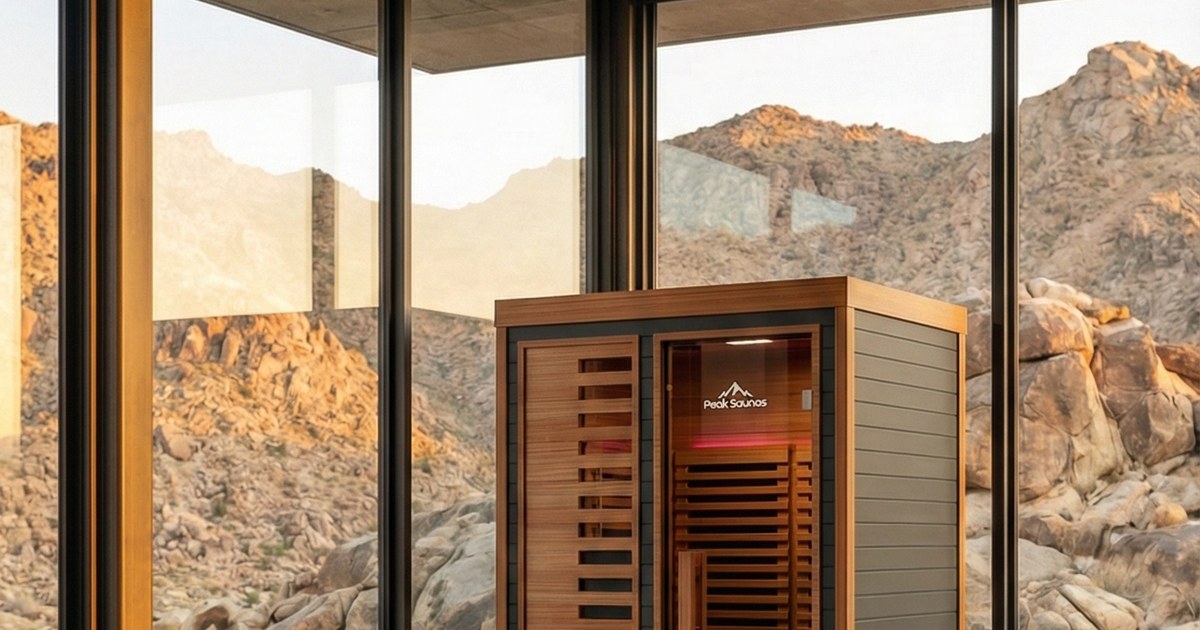
Infrared sauna therapy offers powerful mental healthbenefits by triggering endorphin release, reducing cortisol levels, and activating the body's natural relaxation response. Regular sauna sessions have been shown to reduce symptoms of anxiety and depression, improve mood regulation, and provide a dedicated space for mindfulness—making heat therapy an increasingly popular complementary approach for mental wellness alongside traditional treatments.
The Mental Health Crisis and the Search for Solutions
Mental health challenges have reached unprecedented levels. According to the World Health Organization, anxiety and depression affect over 300 million people globally, with rates climbing steadily since 2020. While pharmaceutical interventions and therapy remain cornerstones of treatment, many people are seeking complementary approaches that address the mind-body connection.
This is where infrared sauna therapy enters the conversation—not as a replacement for professional mental health care, but as a powerful tool that supports emotional well-being through well-documented physiological mechanisms.
How Heat Therapy Affects Your Brain Chemistry
Endorphin Release: Your Natural Mood Elevator
When you step into an infrared sauna, your body interprets the rising temperature as a form of mild stress. This triggers a cascade of neurochemical responses, the most significant being the release of endorphins—your body's natural "feel-good" chemicals.
Endorphins bind to opioid receptors in the brain, producing effects similar to morphine but without the side effects or addiction potential. This explains the euphoric, relaxed state many sauna users describe as a "sauna high." Research published in Psychosomatic Medicine found that thermal therapy sessions significantly increased beta-endorphin levels, with effects persisting for hours after the session ended.
Cortisol Reduction: Breaking the Stress Cycle
Cortisol, often called the "stress hormone," plays a crucial role in your body's fight-or-flight response. While acute cortisol spikes are normal and healthy, chronically elevated cortisol leads to:
- Persistent anxiety and worry
- Sleep disruption
- Weight gain, especially around the midsection
- Weakened immune function
- Brain fog and memory problems
- Increased inflammation
Infrared sauna sessions have been shown to significantly reduce cortisol levels. A study in the International Journal of Occupational Medicine and Environmental Health found that regular sauna bathing lowered cortisol concentrations while simultaneously increasing DHEA, a hormone associated with stress resilience and emotional balance.
Serotonin and Dopamine Modulation
Heat exposure also influences serotonin and dopamine pathways—neurotransmitters essential for mood regulation, motivation, and feelings of well-being. The temperature stress of sauna bathing activates brain regions involved in these systems, potentially explaining why regular sauna users report improved baseline mood and emotional stability.
Research on Sauna and Depression
Clinical Evidence for Heat Therapy
One of the most compelling studies on sauna therapy for depression comes from researchers at the University of Wisconsin-Madison. Published in JAMA Psychiatry (Janssen et al., 2016), this randomized controlled trial examined the effects of a single whole-body hyperthermia session on patients with major depressive disorder.
The results were striking:
- Participants showed significant reductions in depression scores within one week
- Improvements persisted for at least six weeks following a single session
- The treatment was well-tolerated with minimal side effects
The researchers proposed that heat therapy may work by activating thermosensory pathways that communicate with brain regions involved in mood regulation, including the prefrontal cortex and limbic system.
Traditional Sauna Cultures and Mental Health
Finland, where sauna bathing is deeply embedded in the culture, offers interesting epidemiological data. Finnish researchers have found associations between frequent sauna use and lower rates of psychological disorders. While correlation doesn't prove causation, these population-level observations align with clinical research findings.
Infrared Sauna for Anxiety Relief
Activating the Parasympathetic Nervous System
Anxiety is fundamentally a state of nervous system dysregulation—your sympathetic ("fight or flight") system stays activated even when there's no real threat. Infrared sauna therapy helps restore balance by engaging the parasympathetic ("rest and digest") system.
As your body heats up, blood vessels dilate, heart rate initially increases, then gradually settles into a relaxed rhythm. This physiological pattern signals safety to your brain, helping to break the cycle of anxious thoughts and physical tension.
Deep Relaxation Without Effort
Unlike meditation or breathwork, which require active mental participation (challenging when you're anxious), sauna therapy works automatically. You simply sit in the warmth and let your physiology do the work. This makes it particularly valuable for people who struggle with traditional relaxation techniques.
Many anxiety sufferers report that their racing thoughts slow naturally during sauna sessions—the sensory experience of heat creates a grounding anchor that's difficult to achieve through willpower alone.
Heart Rate Variability Improvements
Heart rate variability (HRV) is a key biomarker of stress resilience and nervous system flexibility. Higher HRV indicates better ability to adapt to stress and return to baseline after challenges. Research shows that regular sauna use improves HRV over time, suggesting lasting improvements in stress response capacity.
Seasonal Affective Disorder and Heat Therapy
The Light and Heat Connection
Seasonal Affective Disorder (SAD) affects approximately 10 million Americans, with millions more experiencing milder "winter blues." While light therapy remains the primary treatment, emerging research suggests heat therapy may offer complementary benefits.
SAD involves disruption of circadian rhythms, serotonin depletion, and melatonin overproduction during darker months. Interestingly, infrared sauna sessions address several of these factors:
- Serotonin boost — Heat exposure increases serotonin activity
- Circadian support — Morning sauna sessions can help establish healthy daily rhythms
- Energy enhancement — The post-sauna state often includes increased alertness and motivation
- Social withdrawal reversal — Having a positive daily ritual combats isolation tendencies
Near-Infrared and Cellular Energy
Full-spectrum infrared saunas include near-infrared wavelengths that penetrate to the cellular level, stimulating mitochondrial function and ATP (cellular energy) production. This may explain why users often report improved energy and mental clarity—particularly valuable for SAD sufferers who struggle with fatigue and cognitive sluggishness.
Building a Sauna Routine for Mental Wellness
Optimal Session Parameters
For mental health benefits, consistency matters more than intensity. Here's a research-informed protocol:
Frequency: 3-5 sessions per week for therapeutic effect; 2-3 for maintenance
Duration: 20-30 minutes per session (start with 15 minutes if new to sauna)
Temperature: 125-140°F (52-60°C)—hot enough to trigger beneficial stress responses, cool enough to be sustainable
Timing: Morning sessions can energize and set a positive tone for the day; evening sessions (ending 2-3 hours before bed) support better sleep
Creating Your Mental Health Ritual
The psychological benefits of sauna extend beyond neurochemistry. The ritual itself matters:
1. Intention Setting
Before entering, take a moment to set an intention. This could be as simple as "I'm giving myself permission to relax" or "I'm releasing the stress of this week."
2. Digital Detox
Leave your phone outside. The 20-30 minutes of enforced disconnection is increasingly rare and valuable. Many users report this device-free time becomes their favorite part of the practice.
3. Mindful Breathing
Use the session for simple breathing practice. Try 4-7-8 breathing (inhale 4 counts, hold 7, exhale 8) or simply observe your breath without trying to change it.
4. Body Scan
Notice sensations throughout your body. Where are you holding tension? Can you consciously release it? The heat makes this awareness easier.
5. Gratitude Practice
End sessions by mentally noting three things you're grateful for. The relaxed state makes positive thinking more accessible.
Post-Sauna Protocol for Mental Health
What you do after your session matters too:
- Cool gradually — A gentle cool-down extends the relaxation response
- Hydrate mindfully — Drink water slowly, staying present
- Protect the calm — Avoid immediately diving into stressful activities or screens
- Journal (optional) — Some find that insights and emotional processing emerge more easily after sauna sessions
Why Infrared Saunas Excel for Mental Health Support
Gentle Heat, Profound Effects
Unlike traditional saunas that heat air to 150-195°F, infrared saunas operate at 110-140°F while still raising core body temperature effectively. This gentler approach makes sessions more accessible for people who:
- Find traditional saunas overwhelming
- Are sensitive to extreme heat
- Need longer sessions for mental health benefits
- Want to practice meditation or relaxation techniques during the session
Privacy and Control
For those dealing with anxiety, social anxiety, or depression, public spa environments can be uncomfortable or inaccessible. A home infrared sauna offers:
- Complete privacy
- Control over temperature, duration, and timing
- No scheduling constraints
- Freedom to practice relaxation techniques without self-consciousness
- A predictable, safe environment
The Full-Spectrum Advantage
Full-spectrum infrared saunas emit near, mid, and far infrared wavelengths, each contributing to mental wellness:
| Wavelength | Mental Health Benefit |
|---|---|
| Near Infrared | Cellular energy, mitochondrial function, potential neurological support |
| Mid Infrared | Pain relief, muscle relaxation, physical comfort |
| Far Infrared | Deep relaxation, core warming, detoxification |
The combination addresses both the psychological and physical components of mental health—because mind and body are inseparable.
Integrating Sauna With Mental Health Treatment
A Complementary Approach
Infrared sauna therapy works best as part of a comprehensive mental health strategy, not a standalone solution. Consider it alongside:
- Professional therapy — CBT, DBT, or other evidence-based approaches
- Medication — If prescribed, sauna therapy doesn't interfere with most psychiatric medications
- Exercise — Combining movement with heat therapy amplifies benefits
- Nutrition — A balanced diet supports neurotransmitter production
- Sleep hygiene — Sauna can improve sleep, which profoundly impacts mental health
- Social connection — Combat isolation alongside your sauna practice
When to Consult Your Healthcare Provider
Always discuss new therapies with your mental health provider, especially if you:
- Have severe or treatment-resistant depression
- Experience suicidal thoughts
- Have bipolar disorder (heat can potentially trigger manic episodes in some individuals)
- Take medications that affect heat tolerance
- Have cardiovascular concerns
Frequently Asked Questions
Can infrared sauna replace antidepressants or therapy?
No. Infrared sauna therapy is a complementary approach that can support mental health, but it should not replace professional treatment for clinical depression or anxiety disorders. Think of it as one tool in your wellness toolbox—valuable, but most effective when combined with evidence-based treatments. Always work with your healthcare provider before making changes to your mental health treatment plan.
How quickly will I notice mental health benefits from sauna use?
Most people notice immediate mood improvements after individual sessions due to endorphin release. However, lasting changes in baseline anxiety and depression levels typically develop over 4-8 weeks of consistent use (3-5 sessions weekly). Some studies show significant improvements within 1-2 weeks with regular sessions.
Is morning or evening sauna better for mental health?
Both have benefits. Morning sessions can boost mood and energy for the day, helping establish positive circadian rhythms—particularly useful for depression. Evening sessions (ending 2-3 hours before bed) promote deeper sleep, which profoundly impacts next-day mental state. Experiment to find what works for your lifestyle and symptoms.
Can sauna help with panic attacks?
While sauna shouldn't be used during an active panic attack (heat can sometimes intensify symptoms in the moment), regular sauna practice may reduce the frequency and intensity of panic attacks over time by training your nervous system to better regulate stress responses. Some people find the controlled "stress" of heat exposure builds confidence in their body's ability to handle uncomfortable sensations.
What temperature is best for anxiety relief?
Most people find 120-135°F optimal for anxiety relief—warm enough to trigger relaxation responses without feeling overwhelming. Start at the lower end if you're sensitive to heat or new to sauna. The goal is therapeutic warmth that feels comfortable enough for 20-30 minute sessions.
The Bottom Line
Infrared sauna therapy offers a science-backed approach to supporting mental health through multiple mechanisms: endorphin release, cortisol reduction, nervous system regulation, and the creation of a dedicated space for mindfulness and self-care. While not a replacement for professional mental health treatment, regular sauna sessions can be a powerful complement to therapy, medication, and other wellness practices.
The ritual of daily or near-daily sauna use also addresses something often overlooked in mental health discussions—the importance of having a non-negotiable practice that signals to yourself and the world that your well-being matters.
Ready to make mental wellness a daily practice? Explore our full-spectrum infrared saunas—designed for home use with low EMF technology and comfortable temperatures that make consistent use effortless.
References
-
Janssen CW, Lowry CA, Mehl MR, et al. Whole-Body Hyperthermia for the Treatment of Major Depressive Disorder: A Randomized Clinical Trial. JAMA Psychiatry. 2016;73(8):789-795. PMID: 27172277
-
Laukkanen T, Kunutsor S, Kauhanen J, Laukkanen JA. Sauna bathing is inversely associated with dementia and Alzheimer's disease in middle-aged Finnish men. Age Ageing. 2017;46(2):245-249. PMID: 27932366
-
Ready to choose a sauna for your mental health practice? Our PEAK vs Sunlighten comparison and infrared sauna cost guide will help you find the right model for your budget.
Masuda A, Nakazato M, Kihara T, Minagoe S, Tei C. Repeated thermal therapy diminishes appetite loss and subjective complaints in mildly depressed patients. Psychosom Med. 2005;67(4):643-647. PMID: 16046381


