The PEAK journal
How Much Electricity Does an Infrared Sauna Use? (Running Cost Guide)
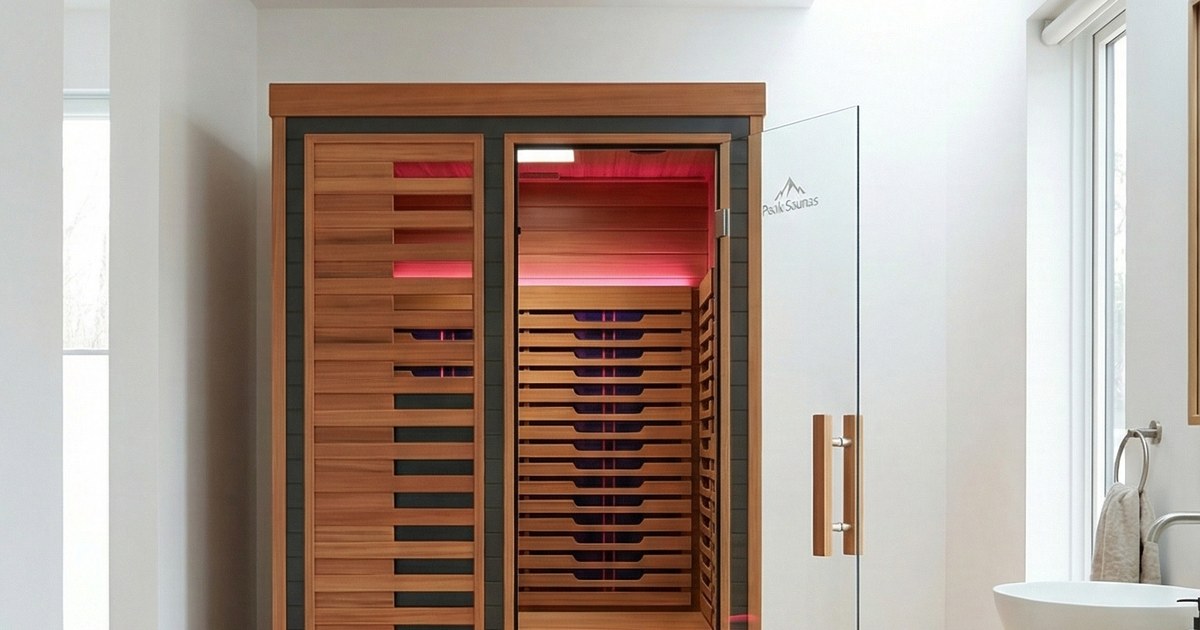
An infrared sauna uses 1,500–3,000 watts and costs approximately $1–$3 per session in electricity. At the US average of $0.16/kWh, a typical 45-minute session in a 2-person sauna (1,750W) costs about $0.21. Monthly running costs for daily use typically range $6–$30 depending on sauna size and local electricity rates.
This is one of the most common pre-purchase questions — and the answer almost always surprises people. Infrared saunasare significantly cheaper to run than traditional steam saunas (which use 6,000–9,000W) and far cheaper than the monthlygym membership most people replace them with.
Infrared Sauna Wattage by Size
| Sauna Size | Typical Wattage | Heat-Up Time |
|---|---|---|
| 1-person | 1,400–1,600W | 10–15 min |
| 2-person | 1,600–2,000W | 15–20 min |
| 3-person | 2,000–2,500W | 20–25 min |
| 4-person | 2,500–3,000W | 25–30 min |
PEAK models range from 1,450W (1-person Solo) to 2,800W (4-person Sanctuary). These are full-spectrum units with carbon/ceramic hybrid heaters — efficient at lower wattage than older ceramic-only designs.
Cost Per Session Calculator
Formula: (Watts ÷ 1,000) × Hours × $/kWh = Cost per session
Example: 2-person Peak Sauna (1,750W), 45-min session, $0.16/kWh:
-
1,750W ÷ 1,000 = 1.75 kW
-
1.75 × 0.75 hours = 1.31 kWh
-
1.31 × $0.16 = $0.21 per session
Cost by electricity rate:
| Rate ($/kWh) | Per Session (45 min, 1,750W) | Monthly (daily use) |
|---|---|---|
| $0.12 (low) | $0.16 | $4.80 |
| $0.16 (avg) | $0.21 | $6.30 |
| $0.25 (high) | $0.33 | $9.90 |
| $0.35 (CA/NY) | $0.46 | $13.80 |
Even in California or New York — the most expensive electricity states — daily infrared sauna use costs under $15/month.
Infrared vs. Traditional Sauna: Electricity Comparison
Traditional Finnish/steam saunas use electric heaters rated 6,000–9,000W and require 30–60 minutes of heat-up before use. An equivalent session costs 3–5x more in electricity.
| Type | Wattage | Session Cost | Monthly (daily) |
|---|---|---|---|
| Infrared (far) | 1,400–1,750W | $0.17–$0.22 | $5–$7 |
| Infrared (full spectrum) | 1,750–2,500W | $0.21–$0.30 | $6–$9 |
| Traditional electric | 6,000–9,000W | $0.72–$1.08 | $22–$32 |
| Traditional steam | 7,500–12,000W | $0.90–$1.44 | $27–$43 |
Infrared is the most energy-efficient sauna type available. The lower operating temperature (110–150°F vs. 180–200°F for traditional) means less energy consumed and faster heat-up.
Monthly and Annual Running Costs
Based on a PEAK 2-person model (1,750W), 45-min sessions, $0.16/kWh average:
-
3x per week: ~$2.75/month — $33/year
-
5x per week: ~$4.55/month — $55/year
-
Daily use: ~$6.30/month — $76/year
Even daily use costs less per year than a single month at most urban gyms. And unlike a gym membership, your sauna doesn't charge you when you don't go.
Electrical Requirements
Most 1–2 person infrared saunas run on standard 120V household outlets (15–20 amp circuit). Larger 3–4 person models typically require a dedicated 240V circuit — similar to a clothes dryer.
Before buying, check: 1. Available outlet near intended location (garage, bedroom, basement) 2. Circuit amperage (check breaker panel) 3. Whether a dedicated circuit is needed for your model
PEAK provides electrical specs for each model in the product listing. Our team can also advise on installation requirements before you order.
5 Ways to Reduce Running Costs
- Pre-heat only to session temp — You don't need max heat for every session. 130°F costs less than 150°F.
- Use a timer — Most PEAK models have auto-shutoff. Set it and don't overshoot.
- Insulate the room — Placing your sauna in an insulated garage vs. open patio reduces heat loss.
- Off-peak hours — If your utility has time-of-use pricing, schedule sessions during off-peak rates (often evenings/nights).
- Weatherstrip the door — Even small air gaps increase run time. Check the seal annually.
Is the Electricity Cost Worth It?
At $0.21/session for a 45-minute infrared sauna, you're getting:
-
Full cardiovascular workout equivalent (same heart rate elevation as moderate aerobic exercise)
-
Deep muscle recovery and pain relief
-
Detoxification and skin benefits
-
Stress reduction and sleep improvement
The closest commercial alternative is a spa sauna session: $30–$80 per visit. At daily home use, your Peak Sauna pays for itself in under 6 months compared to commercial use — and the electricity cost is essentially negligible.
Frequently Asked Questions
How many kWh does an infrared sauna use per month? A 2-person infrared sauna used 5x per week (45 min/session) uses approximately 28–35 kWh per month. At $0.16/kWh, that's $4.50–$5.60/month.
Does an infrared sauna need a special outlet? 1–2 person models typically use standard 120V 15–20A outlets. 3–4 person models usually require a dedicated 240V circuit. Check the specs for your specific model.
How long does it take for an infrared sauna to heat up? Infrared saunas heat up in 10–20 minutes depending on size (versus 30–60 minutes for traditional). The heaters begin emitting therapeutic infrared wavelengths immediately — some users enter during warm-up for maximum exposure time.
Does using an infrared sauna daily raise my electric bill significantly? No. Daily use at average US electricity rates adds roughly $5–$15/month to your bill — less than most streaming subscriptions.
What's more energy efficient — near, mid, or far infrared? Far infrared saunas are the most energy-efficient because they operate at lower temperatures (110–140°F) while delivering deep tissue penetration. Full-spectrum units (near + mid + far) use slightly more wattage but deliver the broadest therapeutic benefits.
Ready to see which Peak Sauna model fits your space and budget? Explore our lineup →


