The PEAK journal
Glass Door Sauna vs Wood Door: Which is Better?
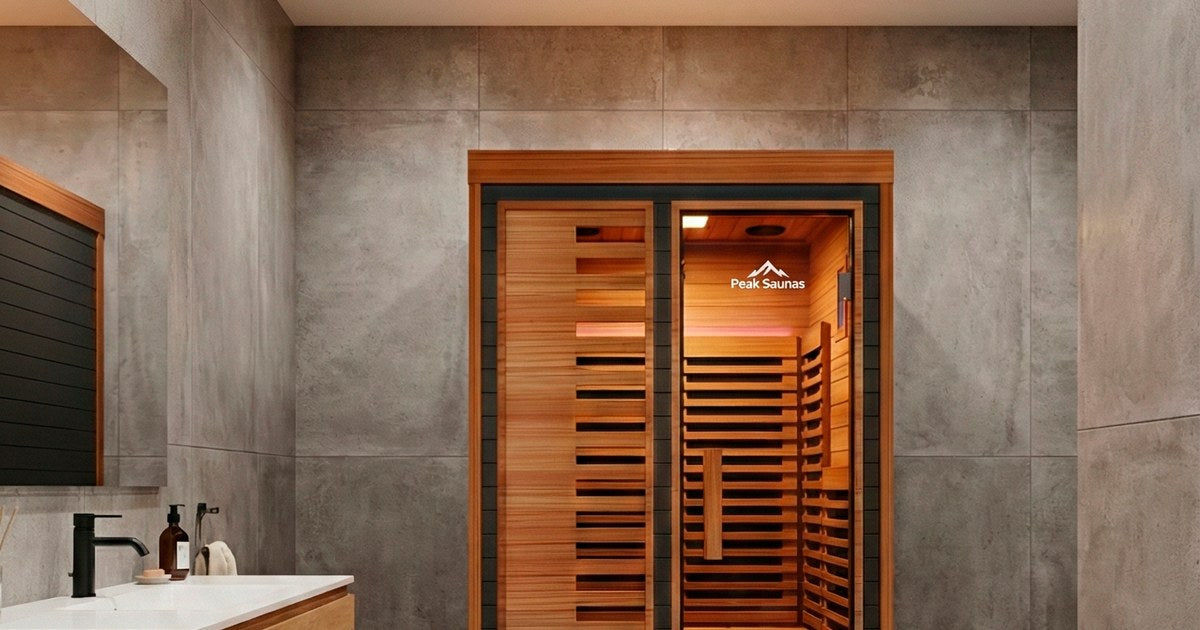
The glass door sauna versus wood door debate represents one of the most visible and consequential design decisions for infrared sauna buyers, with significant differences in aesthetics, heat retention, perceived spaciousness, cost, safety, and maintenance requirements creating distinct value propositions beyond simple visual preference. Glass doors (typically tempered safety glass in bronze, gray, or clear finishes) create open airy feelings, visual room integration, and contemporary aesthetics while sacrificing modest thermal efficiency and adding $300-800 to sauna costs. Wood doors (matching cabin construction in hemlock or cedar) provide traditional appearance, superior insulation, enhanced privacy, and lower pricing while creating more enclosed confined sensations some users find claustrophobic. Understanding which door type better serves individual priorities requires examining multiple dimensions beyond aesthetic appeal. The heat retention differences prove real but modest with glass doors increasing preheat times 2-3 minutes and operating temperatures 2-5°F lower than wood equivalents given glass's inferior insulation properties (R-value approximately 0.9 for single-pane glass versus 1.5-2.0 for wood panels). However, modern infrared saunas' lower temperature requirements (120-150°F versus traditional Finnish saunas' 180-195°F) minimize thermal performance impacts making heat loss less critical than with high-temperature applications. The comparison extends to practical considerations including cleaning and maintenance (glass requiring regular streak-free cleaning versus wood's minimal upkeep), safety profiles (tempered glass shattering risks versus wood's non-breakable durability), installation complexity (glass doors' weight and fragility versus wood's easier handling), resale appeal (contemporary glass broad market attraction versus traditional wood niche preference), and psychological experience (open visibility reducing anxiety versus private enclosure supporting complete relaxation). Neither door type proves universally superior, with optimal choice depending on individual circumstances across aesthetic preferences, budget constraints, usage patterns, and personal comfort with enclosed versus open environments. This comprehensive analysis examines glass and wood door construction fundamentals, aesthetic impacts and visual integration, heat retention and energy efficiency, safety considerations and breakage risks, durability and longevity expectations, maintenance and cleaning requirements, cost comparison and value assessment, installation and replacement factors, psychological and experiential differences, specific user profile recommendations, and evidence-based guidance matching door selection to individual priorities rather than accepting marketing claims favoring premium glass options. Door Construction and Design Fundamentals The structural approaches create fundamentally different products affecting multiple performance dimensions. Glass Door Specifications and Features Infrared sauna glass doors use tempered safety glass (heat-treated for strength) typically measuring 5-8mm thickness providing adequate structural integrity while maintaining reasonable weight. The tempering process creates surface compression making glass 4-5 times stronger than standard annealed glass and causing safe fragmentation into small granular pieces rather than dangerous shards if breakage occurs. The safety characteristics prove essential for sauna applications where thermal stress and impact risks require protective measures. The glass dimensions typically span 24-28 inches width and 70-74 inches height covering majority of door opening with narrow wood framing around perimeter. Full-glass doors maximize transparency using minimal frame while retaining structural edge support. The expansive glass area creates dramatic visual impact and maximum light transmission though increases thermal loss proportional to glass surface area. Bronze or gray tinted glass proves most popular providing partial privacy while maintaining visibility and reducing glare from interior lighting. Clear glass offers complete transparency though shows fingerprints and water spots prominently while providing zero privacy. The tint selection balances openness with discretion based on installation location and user comfort with visibility. Heavily tinted or frosted glass sacrifices openness benefit partially negating glass door selection rationale. The door frames use matching sauna wood (hemlock or cedar) in minimal profiles (1.5-3 inches width typical) creating clean contemporary appearance. The wood framing provides mounting points for hinges, handles, and magnetic closures while insulating glass perimeter reducing thermal bridging. Quality manufacturers use precision-fitted frames with proper gaskets ensuring airtight seals preventing heat loss around edges. Wood Door Construction Details Solid wood sauna doors employ tongue-and-groove or shiplap panel construction matching cabin wall assembly creating unified appearance. The door thickness typically measures 8-15mm using same wood species as cabin (Canadian hemlock or cedar most common). The matched construction creates visual continuity making door blend seamlessly with surrounding walls versus glass's contrasting transparency. The panel orientation runs vertically matching wall patterns in most designs though some manufacturers use horizontal boards or frame-and-panel construction creating architectural variety. The vertical grain alignment proves structurally optimal preventing warping from moisture and thermal cycling. Quality wood doors use kiln-dried lumber (8-12% moisture content) ensuring dimensional stability through repeated heating and cooling cycles. Window options in wood doors provide partial visibility through small glass inserts (typically 8x12 to 12x16 inches) positioned at eye level. The compact windows allow checking interior without opening doors while maintaining majority wood surface preserving thermal efficiency. However, small windows partially negate enclosed feeling that drives some users toward wood door selection making window inclusion contradictory for privacy-focused buyers. The door perimeter uses tongue-and-groove edges engaging matching grooves in door frame creating overlapping weather seal. The interference fit prevents air leakage more effectively than flat-edge doors requiring separate gaskets. Some designs incorporate magnetic strips embedded in door edges creating additional sealing force ensuring tight closure. The comprehensive sealing approach maximizes heat retention minimizing energy waste. Hardware and Operating Mechanisms Both glass and wood doors employ similar hardware including hinges (typically two to three heavy-duty hinges rated for door weight), handles (interior and exterior pull or lever styles), and magnetic closures (embedded magnets ensuring secure latching without mechanical catches requiring maintenance). The hardware quality significantly affects long-term operation with premium stainless steel or coated brass components providing corrosion resistance in moisture and heat exposure. Glass door hinges require robust construction supporting 40-60+ pound door weights (glass doors typically 50-75% heavier than wood equivalents given glass density). The heavy-duty hinges must tolerate thermal cycling and moisture without degradation. Budget glass doors using inadequate hinges develop sagging, binding, or closure gaps within months requiring adjustment or replacement. Wood door hinges support lighter loads (25-40 pounds typical) allowing simpler hardware though still requiring sauna-rated corrosion resistance. The reduced weight stress extends hinge lifespan and reduces adjustment frequency. However, wood movement from moisture and temperature creates different mechanical challenges than dimensionally-stable glass requiring proper clearances accommodating expansion without binding. Magnetic closure systems prove standard in quality saunas using strategically-placed magnets creating reliable latching force (10-15 pounds typical) ensuring tight seals during operation. The magnetic approach eliminates mechanical latches requiring regular maintenance and lubrication. The rust-resistant coated magnets tolerate sauna conditions maintaining consistent holding force through years of use. Aesthetic Impact and Visual Integration The door selection dramatically affects sauna appearance and room integration creating substantial subjective value differences. Glass Door Visual Characteristics Glass doors create open airy aesthetics transforming sauna from enclosed box into integrated room element. The transparency allows visual flow between interior and exterior spaces making rooms feel larger and less obstructed. The contemporary appearance appeals to modern design sensibilities with clean lines and minimal visual mass. The light transmission enhances ambient lighting creating warm glow particularly appealing in evening settings. The tinted glass (bronze or gray most common) provides warm or cool color casts affecting perceived cabin atmosphere. Bronze tint creates cozy golden ambiance complementing wood tones while gray produces cooler sophisticated appearance. Clear glass provides neutral transparency though shows interior details prominently potentially exposing clutter or creating excessive visibility for privacy-conscious users. The minimal wood framing creates clean geometric lines emphasizing vertical door proportions. Quality installations show precision-fitted glass in slim frames creating refined appearance. However, budget glass doors with chunky frames or poor fits create heavy industrial appearance undermining contemporary aesthetic intent. The frame quality proves critical for achieving desired visual impact. The reflective properties of glass catch and distribute light creating dynamic visual interest as lighting conditions change. Natural window light during daytime creates different ambiance than evening interior lighting. The reflectivity proves double-edged creating appealing light play while also showing fingerprints, water spots, and streaks requiring regular cleaning maintaining pristine appearance. Wood Door Traditional Appeal Solid wood doors create cohesive unified appearance with sauna blending into continuous wood structure. The traditional aesthetic appeals to Finnish sauna purists and those preferring classic spa environment. The warm natural wood tones create organic tactile quality some find more authentic than contemporary glass transparency. The consistent material creates simple unbroken visual field without glass's reflective disruption. The wood grain patterns provide natural visual interest through varied color tones, knot patterns, and growth ring visibility. Cedar doors offer rich reddish-brown coloring with pronounced grain while hemlock provides light blonde uniformity. The wood species selection affects aesthetic impact as significantly as glass versus wood decision itself. Quality wood showing beautiful grain competes visually with glass transparency. The solid construction creates substantial appearance conveying quality and permanence. The door mass and weight provide tactile satisfaction when opening and closing suggesting durable construction. However, the solid barrier may appear heavy or oppressive in smaller installations or rooms with limited natural light where glass's transparency proves more appropriate. Small window inserts in wood doors provide partial visibility compromise though often create awkward aesthetic with small glass rectangle interrupting wood field. The functional window allowing interior checking without door opening proves practically useful though visually creates neither fully-enclosed nor fully-open appearance. The compromise satisfies neither aesthetic preference completely. Room Integration and Space Perception Glass doors dramatically enhance perceived spaciousness in small rooms or compact sauna installations by maintaining visual continuity between spaces. The transparency prevents sauna from appearing as large imposing object consuming room visually. The see-through quality proves particularly valuable in multipurpose rooms where sauna competes with other functions creating more integrated less-obtrusive presence. The light transmission from sauna through glass door illuminates surrounding room area creating ambient glow. The interior LED lighting or chromotherapy systems become visible design elements contributing to room atmosphere even when sauna remains unoccupied. The feature creates architectural interest though may prove distracting or inappropriate in bedrooms where sleep requires darkness. Wood doors create definitive separation between sauna and room establishing clear boundaries. The enclosed cabin proves more suitable for installations where visual separation proves desirable or where sauna's interior condition (towels, accessories, maintenance needs) may appear cluttered through glass transparency. The privacy proves double-edged providing discretion while eliminating glass's open integration. The location context heavily influences optimal choice with basement or garage installations potentially benefiting from wood's enclosed aesthetic versus primary bedroom or living space installations where glass integration proves more desirable. The specific room visibility, natural lighting, and design style determine whether glass transparency or wood enclosure better serves overall environment. Heat Retention and Energy Efficiency The thermal performance differences create measurable but modest practical impacts on operation. Insulation Properties Comparison Glass provides inferior insulation compared to wood panels given thermal conductivity differences. Single-pane tempered glass (standard in sauna doors) offers approximate R-value of 0.9 while wood panels provide R-values of 1.5-2.0 depending on thickness and species. The 40-55% insulation deficit creates real heat transfer though impact proves modest in infrared sauna context given low operating temperatures and small door surface area (typically 15-20 square feet maximum). The wood's cellular structure creates natural insulation through air pockets within fibers. The low density and organic composition resist heat transfer. Cedar provides superior insulation among sauna woods given lowest density (23 lb/ft³) versus hemlock's 28 lb/ft³. However, both dramatically exceed glass's thermal resistance regardless of wood species. The door frame and edge sealing prove equally important as door material with air leakage often exceeding conductive heat loss through properly-sealed doors. Quality glass doors with precision frames and proper gaskets may outperform poorly-fitted wood doors with gaps around edges. The installation quality affects thermal performance as significantly as material selection. The comprehensive sealing attention proves essential for both door types. Double-pane insulated glass theoretically improves thermal performance though proves rarely used in saunas given cost ($600-1,200 premium), weight (requiring commercial-grade hinges and frames), and complexity (sealed units failing from thermal stress). The exotic solution creates marginal benefit insufficient justifying elaborate implementation for most residential applications. Operational Temperature Impacts Measured temperature differences between glass and wood door saunas average 2-5°F lower operating temperatures with glass doors under identical thermostat settings, heater wattage, and environmental conditions. A sauna set to 140°F with wood door may achieve 137-138°F with glass door substitution. The modest differential proves imperceptible to most users though technically measurable in controlled testing. The preheat time extends approximately 2-4 minutes with glass versus wood doors depending on sauna size and heater capacity. A typical two-person unit requiring 12-15 minute preheat with wood door extends to 14-18 minutes with glass. The incremental delay proves minor inconvenience rather than significant operational problem though affects users seeking immediate session starts. The temperature stability during sessions proves comparable between door types with minor fluctuations from door opening/closing creating similar disruptions regardless of material. The primary heat loss mechanism during use involves convective air exchange when doors open rather than conductive losses through closed door surfaces. The user behavior affects operating efficiency more than door material in actual usage scenarios. The exterior surface temperature measurements show glass doors running 8-12°F warmer than wood doors given superior thermal conductivity transmitting heat outward. The warm glass surface proves touchable without burns though noticeably warmer than wood. The heat escape through glass door adds slightly to ambient room heating potentially benefiting cool spaces or creating unwanted heat in already-warm environments depending on context. Energy Consumption Analysis The annual energy consumption differences between glass and wood door saunas prove minimal given modest temperature and preheat time variations. A household using sauna 45 minutes daily achieving 140°F operating temperature consumes approximately 410 kWh annually with wood door. The same usage with glass door extends to 425-435 kWh annually representing 3-6% increase. At typical residential electricity rates ($0.15/kWh average nationally), the annual cost difference totals $2.25-3.75 proving economically insignificant. Over 20-year equipment lifespan, glass door thermal inefficiency costs $45-75 additional electricity versus wood door. The lifecycle energy penalty pales compared to $300-800 glass door purchase premium making thermal performance secondary consideration in total cost analysis. However, environmentally-conscious users prioritizing energy efficiency may find principle worth considering beyond pure economics. The 15-25 kWh annual waste from glass doors over 20 years totals 300-500 kWh lifetime representing meaningful if modest environmental impact. The sustainability perspective provides valid rationale for wood door selection independent of financial calculations. The low-EMF shielding and heater efficiency prove far more impactful on energy consumption than door material selection. A quality high-efficiency heater system saves 50-100+ kWh annually versus budget implementations regardless of door type. The priority allocation toward quality heating components provides greater energy benefit than door material optimization. Safety Considerations and Breakage Risks The safety profiles differ substantially requiring honest assessment of risks and protective measures. Tempered Glass Safety Features Tempered glass doors undergo heat treatment creating surface compression making material 4-5 times stronger than standard annealed glass providing substantial impact resistance and thermal stress tolerance. The tempering process proves essential for sauna applications where temperature cycling and accidental impacts create breakage risks requiring safety-optimized glass specifications. The critical safety feature involves fracture pattern with tempered glass shattering into small granular pieces (roughly ¼-½ inch fragments) with relatively dull edges versus standard glass's large jagged shards creating severe laceration risks. The safe fragmentation substantially reduces injury severity if breakage occurs making tempered glass acceptable for residential sauna use where standard glass would prove unacceptably dangerous. However, tempered glass breakage remains possible from edge impacts, severe thermal shock, or manufacturing defects (spontaneous breakage from nickel sulfide inclusions affects approximately 1 in 10,000 panels). The complete door failure from single impact proves more disruptive than wood door damage which typically involves repairable dents or cracks rather than catastrophic failure requiring immediate replacement. The glass door weight (40-60+ pounds typical) creates handling injury risks during installation or removal with heavy awkward panels difficult to maneuver safely. The installation typically requires two people preventing drops or pinching injuries. Wood doors' lighter weight (25-40 pounds) proves more manageable for solo installation though still benefits from assistance. Wood Door Durability and Impact Resistance Solid wood doors prove essentially unbreakable under normal usage conditions with material absorbing impacts through minor denting or surface damage rather than catastrophic structural failure. The resilient organic material tolerates dropped items, accidental kicks, or rough handling without failure. The progressive damage pattern allows continued use with minor cosmetic flaws versus glass's binary intact/shattered states. The wood responds to moisture and temperature variations through dimensional changes (expansion when humid, contraction when dry) potentially creating warping, splitting, or joint separation if construction quality proves inadequate. Quality kiln-dried wood properly assembled with appropriate joinery tolerates sauna conditions indefinitely though budget doors using green lumber or poor construction develop problems within months or years. The fire resistance proves concerning in extreme scenarios though modern sauna controls include temperature limiting (maximum 155-160°F typical) and automatic shutoff preventing conditions reaching wood ignition temperatures (approximately 400-500°F depending on species). The normal operating temperatures prove far below combustion risk making fire essentially impossible under proper equipment function. The wood door elimination of glass breakage risks proves particularly valuable for households with children where rough play, thrown toys, or other accidents create glass damage possibilities. The parental peace of mind about safety justifies wood selection for families with young children regardless of aesthetic preferences. The kid-proof durability outweighs visual considerations for safety-focused parents. Edge Protection and Frame Integrity Glass door vulnerability concentrates at edges and corners where impact forces create maximum stress. Quality manufacturers use protective corner brackets or bumpers cushioning impacts and distributing forces reducing breakage risk. The edge protection proves particularly important for floor-level doors where dropped items may strike lower corners during entry/exit. The wood frame quality surrounding glass critically affects long-term safety with properly-fitted frames supporting glass edges preventing stress concentrations from flexing or movement. Loose-fitting frames allow glass movement creating edge impacts during door operation eventually causing failure. The precision frame fabrication distinguishes quality glass doors from budget alternatives showing premature failures. Wood doors require edge and bottom protection from moisture exposure given wicking potential if raw wood contacts wet floors. Quality manufacturers seal all edges and apply moisture barriers preventing absorption. However, standing water from improper floor drainage may saturate door bottoms causing swelling, rot, or delamination. The floor drainage and door clearance prove important installation considerations for wood doors. Durability and Longevity Expectations The lifespan projections and maintenance requirements affect long-term value and satisfaction. Glass Door Lifespan and Aging Quality tempered glass doors provide 15-25+ year service lives matching sauna cabin longevity when properly manufactured, installed, and maintained. The glass itself proves essentially permanent material showing no degradation from thermal cycling, moisture exposure, or aging. The supporting components including frames, hinges, and seals determine effective lifespan rather than glass degradation. The hardware proves most likely failure point with hinges, handles, and magnetic closures experiencing wear from repeated operation. Quality stainless steel or brass hardware provides 10-15+ years before requiring replacement though budget components fail within 3-5 years. The hardware serviceability allows extending door life through replacement parts without complete door replacement. The wood frame surrounding glass experiences moisture and temperature stress potentially causing warping, splitting, or joint separation after 10-15+ years even with quality construction. The frame degradation may compromise glass seal or create operational problems though typically remains serviceable with periodic adjustments. The frame proves more vulnerable than glass itself determining practical door lifespan. Spontaneous glass breakage from manufacturing defects (nickel sulfide inclusions creating delayed failure) typically occurs within first 5-10 years if present. Doors surviving initial period prove unlikely experiencing spontaneous failure absent external damage. The rare manufacturing defect risk decreases substantially after early service years providing confidence in long-term reliability. Wood Door Service Life Solid wood doors constructed from quality kiln-dried lumber with proper joinery provide 20-30+ year lifespans exceeding glass door longevity given simpler construction with fewer failure modes. The organic material tolerates thermal and moisture cycling indefinitely when properly sealed and maintained. The progressive aging creates character rather than structural degradation with stable wood developing appealing patina. The dimensional movement from moisture and temperature creates warping potential though properly constructed doors using vertical grain orientation and adequate thickness (12-15mm minimum) resist warping through decades of service. The quarterly adjustments may prove necessary compensating for seasonal expansion/contraction though this represents normal maintenance rather than premature failure. The finish degradation proves most visible aging mechanism with stains, sealers, or natural oils requiring reapplication every 3-5 years maintaining protection and appearance. However, cedar's natural oils provide inherent protection allowing neglect without serious consequences. Hemlock requires more diligent maintenance preventing moisture damage though remains serviceable with periodic conditioning. The hardware longevity matches glass door expectations with hinges, handles, and magnetic closures requiring eventual replacement. However, wood door's lighter weight reduces hinge stress extending service life. The simpler construction with fewer specialty components makes wood door repairs more straightforward and economical than glass door component sourcing and replacement. Replacement and Repair Considerations Glass door failures typically require complete replacement given integral construction and safety glass specifications. The custom sizing, tempering requirements, and shipping fragility create $800-1,500 replacement costs including professional installation. The catastrophic failure mode creates immediate replacement necessity versus gradual wood deterioration allowing deferred repairs. Wood door repairs prove more economical and flexible with individual panel replacement ($50-150), hardware upgrades ($75-200), or refinishing ($100-300) addressing specific problems without complete replacement. The serviceable construction allows extended life through incremental maintenance and repairs. The graceful degradation creates more manageable long-term costs. The replacement availability proves important consideration with standardized sizes using common components ensuring parts availability while custom or unusual configurations create sourcing challenges. Quality manufacturers maintain replacement part inventory for discontinued models though budget brands frequently orphan products leaving no repair options after manufacturer discontinuation. Maintenance and Cleaning Requirements The ongoing care differs substantially affecting user convenience and long-term appearance. Glass Door Cleaning Needs Glass doors require regular cleaning maintaining streak-free clarity and visual appeal. The transparent surface shows fingerprints, water spots, soap residue, and dust prominently creating appearance problems from minimal contact. Weekly cleaning proves typical for moderate use while daily sessions may require cleaning after each use maintaining pristine appearance. The cleaning products must address hard water deposits from evaporated mineral-laden condensation, body oil transfer from touching glass, and general dust accumulation. Commercial glass cleaners ($5-8 per bottle lasting months) provide adequate performance though specialized hard water removers prove necessary for stubborn mineral deposits. Natural alternatives including vinegar solution (1:1 vinegar to water) or lemon juice effectively remove deposits at lower cost. The cleaning process involves inside and outside glass surfaces requiring access from both sides. The interior cleaning during or immediately after sessions proves impractical given high temperatures. Post-session cooling periods extend total time commitment beyond pure sauna duration. The regular cleaning burden creates ongoing maintenance task some users find annoying versus wood's minimal upkeep. The frame and hardware cleaning accompanies glass maintenance with wood frames requiring appropriate wood-safe cleaners and metal hardware using stainless steel polish or protective coatings. The multi-material door creates more complex cleaning protocols than uniform wood doors using single cleaning approach for all surfaces. Wood Door Minimal Maintenance Solid wood doors require minimal regular cleaning with occasional damp cloth wiping removing dust and light soiling. The wood surface hides minor marks and fingerprints creating lower maintenance burden than glass's revealing transparency. Weekly or biweekly cleaning proves adequate for most households with monthly attention sufficient for light use. The periodic conditioning using wood treatment products (sauna-specific formulations $25-40 per bottle) maintains moisture protection and appearance. Hemlock requires conditioning every 6-12 months while cedar's natural oils allow extended intervals or complete omission depending on climate conditions and usage patterns. The conditioning proves straightforward application requiring 30-60 minutes including drying time. The hardware receives same attention as glass doors though simpler single-material construction simplifies overall maintenance. The unified wood treatment products serve entire door surface without specialized products for different materials. The streamlined approach saves time and expense versus glass door's multi-product requirements. However, wood doors show wear patterns and aging more gradually than glass creating different aesthetic considerations. Some users appreciate natural patina development while others prefer maintaining like-new appearance through refinishing. The preference affects perceived maintenance burden with patina-appreciators finding wood nearly maintenance-free while perfectionists invest ongoing refinishing effort. Long-Term Appearance Maintenance Glass doors maintain original appearance indefinitely with regular cleaning showing no material degradation. The pristine factory condition persists through decades given glass's permanent inert nature. The appearance stability appeals to users wanting unchanging consistent aesthetics though requires diligent cleaning maintaining this condition versus natural aging acceptance. Wood doors develop character through use with color deepening, grain becoming more pronounced, and minor surface marks accumulating creating lived-in appearance. The natural aging proves appealing to some users finding patina attractive while others view deterioration as requiring refinishing restoration. The perspective dramatically affects perceived maintenance burden and satisfaction. The refinishing requirements every 5-10 years for maintaining like-new wood appearance involves light sanding and fresh stain or oil application. The process requires 2-4 hours labor plus drying time creating periodic maintenance event. However, users accepting natural aging avoid refinishing entirely eliminating this maintenance task. The optional nature depends entirely on personal aesthetic standards. Cost Comparison and Value Assessment The financial implications extend beyond purchase price to encompass total ownership economics. Initial Purchase Price Differentials Glass door options add $300-800 to sauna costs versus wood door equivalents depending on sauna size, glass quality, and manufacturer positioning. Budget glass upgrades add $300-400 while mid-range quality glass premiums reach $500-650. Premium saunas with superior tempered glass, precision frames, and quality hardware command $650-800 upcharges. The substantial premium represents 5-12% of total sauna cost for mid-range $6,000-7,000 units. Some manufacturers include glass doors as standard equipment without explicit premiums though overall pricing reflects this integration. The bundled approach prevents direct comparison though competitive analysis suggests embedded glass costs remain equivalent to explicit upgrade pricing. The transparency about pricing structure varies substantially between manufacturers. The custom sizing or specialty features (frosted glass, decorative patterns, extra-large dimensions) command additional premiums of $200-500 beyond standard glass upcharges. The extensive customization creates $1,000-1,500 total glass door premiums though serves niche applications rather than typical residential installations. The standard options prove adequate for most users without exotic customization. Budget saunas offering "glass door option" at $150-250 upcharges typically provide inferior tempered glass in poor-quality frames with inadequate hardware. The false economy creates disappointing results with streaky glass, loose frames, and premature failures. The legitimate quality glass implementation requires $300+ investment reflecting true material and manufacturing costs. Installation Cost Implications Professional installation costs prove similar for glass and wood doors with experienced installers charging equivalent rates ($800-1,200 typical total sauna installation) regardless of door type. However, glass door fragility requires extra care creating potential premium ($50-150) for installers unwilling to risk breakage without additional compensation. The DIY assembly proves more challenging with glass given weight and breakage risks potentially justifying professional installation avoiding amateur handling disasters. The specialized tools for glass door installation including suction cup handlers, protective blankets, and glass-specific fasteners create $50-100 additional equipment costs for DIY projects. The wood door assembly uses standard woodworking tools most homeowners already possess eliminating specialty equipment investment. The incremental costs add to glass door total expense. Post-installation adjustments prove more critical for glass doors ensuring proper alignment preventing stress on glass from frame misalignment. The precision adjustment requires more installer time and skill than wood door hanging. The quality installation preventing premature glass failure justifies experienced professional service versus amateur attempts creating expensive breakage risks. Lifetime Cost Analysis The 20-year total cost comparison reveals glass door premium compounding through purchase price, potential replacement (assuming one spontaneous breakage or accident requiring $1,000 replacement), and cleaning supplies ($300 for vinegar, glass cleaner, water spot removers over 20 years) totaling approximately $1,600-2,000 premium over wood door including purchase, supplies, and replacement reserve. Wood door 20-year costs include purchase (base pricing), conditioning products ($600 for quality wood treatments applied semiannually over 20 years), and potential refinishing ($400 for three refinishing projects maintaining like-new appearance every 6-7 years though optional for aging acceptance). The total wood door incremental costs reach $1,000 versus zero-maintenance theoretical baseline. The net glass premium proves $600-1,000 over 20 years representing $30-50 annual cost or $2.50-4.15 monthly premium for glass door aesthetics and experience. The modest long-term cost creates reasonable value proposition for users strongly preferring glass appearance. However, budget-conscious buyers find $600-1,000 lifetime savings from wood selection funds meaningful alternative investments. The resale value implications remain unclear with glass doors potentially attracting broader buyer interest given contemporary appeal though creating zero quantifiable price premium in used sauna markets. The aesthetic preference proves highly individual making universal resale advantage questionable. The speculative resale benefit shouldn't drive initial decision given uncertain value realization. Psychological and Experiential Differences The subjective user experience during sessions differs substantially affecting satisfaction and consistent usage. Claustrophobia and Anxiety Considerations Glass doors dramatically reduce claustrophobic feelings during sessions by maintaining visual connection with surrounding space. The transparency allows seeing outside environment creating open sensation versus wood door's complete enclosure triggering anxiety in susceptible individuals. The psychological comfort proves particularly important for first-time sauna users uncertain about tolerating enclosed heated spaces. The ability to see room clock, interact visually with family members, or simply maintain spatial awareness provides comfort for anxious users. The visual escape route reduces panic feelings even though physical door opening remains identical between glass and wood options. The psychological safety perception proves powerful despite no actual functional difference in exit capability. However, some users find glass transparency creates performance anxiety or self-consciousness about visible body positioning, facial expressions, or general appearance during sessions. The privacy loss from transparency creates different discomfort than enclosed space anxiety. The visibility proves double-edged benefiting some while disturbing others based on individual comfort with observation versus isolation. The household context affects privacy considerations with solo residents finding glass transparency irrelevant while shared housing creates actual visibility to others. The roommate or family situations may require privacy consciousness or scheduling avoiding visibility during sessions. Wood doors eliminate these concerns allowing spontaneous usage without consideration of household members' locations. Light and Spatial Perception Glass doors dramatically enhance light distribution allowing sauna interior lighting to illuminate surrounding room space. The ambient glow creates pleasant atmosphere though may prove problematic in bedrooms requiring darkness for sleep. The chromotherapy lighting or LED ambiance visible through glass becomes architectural feature contributing to room design though potentially creating light pollution depending on preferences. The perceived interior spaciousness increases substantially with glass doors given visual extension into surrounding room. The small sauna cabin feels larger and less confining with transparent door creating psychological if not physical space expansion. The effect proves particularly valuable for one-person units where compact dimensions create genuine confinement with wood doors. Natural daylight entering through glass doors creates different session atmospheres between daytime and evening usage. Morning sessions benefit from natural light creating energizing environments while evening sessions use interior lighting creating cozy ambiance. The temporal variation appeals to users appreciating diverse experiences though proves neutral for those indifferent to lighting conditions. Wood door enclosure creates consistent internal environment independent of external lighting conditions. The isolation proves appealing for meditation-focused users seeking inward attention without visual distractions. The darkened internal space (when lights dimmed or off) supports deep relaxation for users finding visual stimulation distracting during stress reduction practices. Privacy and Intimacy Factors The privacy implications depend heavily on installation location and household composition. Basement or garage installations where visibility poses no concerns benefit from glass transparency without privacy compromise. Primary bedroom or bathroom locations in shared housing create genuine privacy considerations requiring wood doors or carefully-scheduled usage avoiding visibility. Couples sharing sessions may prefer wood door privacy for intimate relaxation without household visibility concerns. The enclosed environment creates private retreat separate from family activities. However, parents monitoring children while using sauna may prefer glass visibility maintaining child supervision capability. The specific household dynamics determine privacy value and appropriate door selection. The installation visibility from public areas (visible through windows, in architectural photos) affects door choice with glass creating more appealing external appearance than wood box when sauna becomes inadvertent room focal point. The aesthetic implications for visitors or real estate marketing create social considerations beyond pure user experience. Specific User Profile Recommendations Different circumstances make each door type appropriate for specific populations and situations. Ideal Glass Door Scenarios First-time sauna buyers uncertain about tolerating enclosed spaces benefit from glass doors reducing anxiety and supporting positive initial experiences. The visual openness prevents premature abandonment from claustrophobia allowing users discovering benefits who might otherwise reject saunas from wood door's enclosure. The welcoming transparency supports adoption for uncertain populations. Design-conscious homeowners prioritizing aesthetics and contemporary style find glass doors essential for creating desired appearance. The modern luxury spa aesthetic requires glass transparency versus traditional wood enclosure. The visual priorities justify $300-800 premiums for populations viewing sauna as design statement beyond pure wellness function. Small space installations (one-person units, compact two-person models) benefit maximally from glass door's spaciousness enhancement. The visual expansion proves most valuable when actual physical space proves minimal. Large three-person units show less dramatic perceptual benefit from glass given abundant actual space regardless of door type. Households valuing versatility and maximizing multi-purpose room functionality appreciate glass integration preventing sauna from visually dominating or enclosing room space. The transparency maintains room openness supporting flexible furniture arrangements and varied activities. The architectural integration proves valuable for premium on space utilization. When Wood Doors Prove Superior Privacy-conscious users in shared housing situations benefit from wood door discretion allowing spontaneous usage without visibility concerns. The enclosed space eliminates self-consciousness about positioning, facial expressions, or general appearance during sessions. The psychological comfort from complete privacy outweighs glass's aesthetic benefits for modest populations. Budget-focused buyers prioritizing cost savings find wood doors provide $300-800 immediate savings applicable toward quality upgrades (better wood species, enhanced heaters, therapeutic red light) delivering tangible functional benefits versus aesthetic glass premium. The value optimization favors wood selection allocating resources toward performance rather than appearance. Households with active children where accident risks prove elevated benefit from wood door's unbreakable durability eliminating glass damage concerns. The parental peace of mind about safety justifies wood selection regardless of aesthetic preferences. The kid-proof construction proves more valuable than contemporary appearance for family-focused buyers. Traditional design enthusiasts preferring authentic Finnish sauna aesthetics or those matching rustic cabin, farmhouse, or vintage interior styles find wood doors aesthetically essential. The natural material consistency creates desired cohesive appearance while glass proves stylistically inappropriate. The design philosophy drives wood selection independent of functional considerations. Conclusion: Matching Door Selection to Individual Priorities What Glass Door Sauna Analysis Shows ✓ ✓ Glass doors create open airy aesthetics enhancing perceived spaciousness, providing contemporary appearance, allowing visual room integration, and reducing claustrophobic feelings through transparency though commanding $300-800 price premiums ✓ Heat retention differences prove modest with glass doors averaging 2-5°F lower operating temperatures and 2-4 minute longer preheat times creating minor thermal efficiency penalty translating to $2-4 annual electricity cost increase ✓ Tempered safety glass provides adequate safety through 4-5x strength versus standard glass and safe granular fragmentation patterns though breakage remains possible from edge impacts or thermal shock requiring eventual replacement ✓ Maintenance requirements exceed wood doors with regular cleaning needed maintaining streak-free appearance (weekly typical) and specialized products addressing water spots, fingerprints, and mineral deposits ✓ Psychological benefits prove substantial for anxiety-prone users with transparency dramatically reducing claustrophobia and creating comfortable welcoming environment supporting consistent usage What Glass vs Wood Door Decision Requires Understanding ✗ ✗ Neither door type proves universally superior with optimal choice depending entirely on individual priorities across aesthetics, budget, privacy needs, household composition, and psychological comfort preferences ✗ Thermal performance differences prove minor in infrared sauna context (120-150°F operation) versus exaggerated in marketing materials suggesting dramatic efficiency impacts or recommending wood for thermal reasons ✗ Purchase price premiums understate total cost differences with lifetime expenses including cleaning supplies, potential replacement, and maintenance totaling $600-1,000 glass premium over 20 years ✗ Safety concerns prove overstated with quality tempered glass providing adequate residential safety while completely eliminating breakage proves impossible despite careful handling and quality construction ✗ Aesthetic preferences prove highly individual preventing universal recommendations with contemporary glass appeal proving neutral or negative for traditional design enthusiasts while wood enclosure creates anxiety for claustrophobic populations The Evidence-Based Verdict Glass door infrared saunas provide legitimate benefits through contemporary aesthetics creating open airy appearance, visual room integration preventing sauna from dominating space, dramatic spaciousness enhancement particularly valuable in compact installations, reduced claustrophobic anxiety supporting positive experiences for nervous first-time users, and pleasant light distribution creating ambient glow though requiring $300-800 purchase premiums, minor thermal efficiency sacrifice (2-5°F lower temperatures, $2-4 annual electricity increase), regular cleaning maintenance addressing fingerprints and water spots, and accepting breakage possibilities requiring eventual costly replacement justifying selection for design-conscious buyers, anxiety-prone users, small space installations, or populations strongly preferring contemporary transparency despite premium costs and maintenance burden. Wood door saunas deliver superior value for budget-conscious buyers through $300-800 immediate savings, enhanced privacy supporting spontaneous usage in shared housing without visibility concerns, traditional authentic aesthetics matching Finnish sauna heritage and rustic design styles, minimal maintenance requirements (periodic conditioning versus regular glass cleaning), unbreakable durability proving valuable for households with children, and slightly superior thermal efficiency (2-5°F warmer, 2-4 minute faster preheat) creating practical advantages for cost-focused populations, privacy-conscious users, traditional design enthusiasts, families prioritizing safety, and maintenance-averse individuals accepting enclosed feeling for functional and economic benefits. The selection framework requires honest assessment of aesthetic priorities (contemporary versus traditional preferences, room integration importance), budget capacity ($300-800 premium justifiable or better allocated elsewhere), privacy needs (shared versus solo housing, visibility comfort), psychological factors (claustrophobia concerns, anxiety about enclosure), household composition (children creating breakage risks, multi-user privacy), and maintenance willingness (regular glass cleaning acceptable or minimal wood care preferred) creating highly individual decisions without universal correct answer. Practical Recommendations for Door Selection Begin by honestly evaluating claustrophobia or anxiety tendencies determining whether enclosed spaces create genuine discomfort affecting sauna usage consistency. Users with anxiety histories, strong preferences for open environments, or uncertain tolerances for enclosed heated spaces should prioritize glass doors preventing premature sauna abandonment from psychological discomfort. The transparency proves essential supporting positive experiences for anxiety-prone populations. Assess actual privacy requirements based on installation location and household composition. Solo residents or couples with basement/garage installations benefit minimally from wood door privacy while shared housing in visible locations creates genuine privacy needs justifying wood selection. The specific visibility context determines privacy value guiding appropriate choice. Evaluate aesthetic priorities and design integration requirements examining whether contemporary glass transparency or traditional wood enclosure better serves overall room design. Design-forward modern interiors benefit from glass while rustic traditional spaces prove more coherent with wood doors. The stylistic compatibility affects long-term satisfaction beyond pure sauna function. Consider budget allocation strategy determining whether $300-800 glass premium provides best value or whether wood selection allows reallocating savings toward functional upgrades (quality wood species, therapeutic red light, enhanced heaters) delivering tangible wellness benefits versus aesthetic enhancement. The cost-conscious value optimization often favors wood with savings invested in performance improvements. Final Recommendation For most infrared sauna buyers prioritizing optimal user experience, reducing anxiety barriers supporting consistent usage, and appreciating contemporary aesthetics, glass doors prove worthwhile investment despite $300-800 premiums, modest 2-5°F thermal efficiency penalty ($2-4 annual electricity increase), regular cleaning requirements, and breakage possibilities, delivering substantial psychological benefits through openness reducing claustrophobia, visual spaciousness enhancement particularly valuable in compact installations, pleasant room integration preventing sauna from dominating space, and modern luxury appearance creating spa-quality aesthetics justifying premium for populations viewing wellness investment holistically including psychological comfort and design quality beyond pure thermal function. For budget-conscious buyers, privacy-focused users in shared housing, traditional design enthusiasts, families with active children, or maintenance-averse individuals accepting enclosed feeling for economic and practical advantages, wood doors provide superior value through $300-800 immediate savings reallocatable toward performance upgrades, complete privacy supporting spontaneous usage without visibility concerns, authentic Finnish aesthetics matching traditional design, unbreakable durability eliminating breakage risks, minimal maintenance requirements (periodic conditioning versus regular cleaning), and slightly superior thermal efficiency creating practical functional advantages outweighing glass's aesthetic and psychological benefits. Ready to invest in quality infrared sauna with your preferred door configuration? Visit Peak Saunas forfull spectrum infrared saunas with medical-grade red light therapy starting at $5,550 offering choice between premium tempered glass doors (bronze or gray tinted) creating contemporary open aesthetics or solid wood doors (Canadian hemlock or cedar) providing traditional appearance and superior thermal efficiency, both featuring precision frames, quality hardware, magnetic closures, and lifetime structural warranties supporting decades of reliable service with comprehensive infrared therapy benefits regardless of door selection allowing personal preference guiding aesthetic choice without compromising therapeutic performance.
Frequently Asked Questions Do glass door saunas lose more heat? Yes, glass door saunas lose moderately more heat than wood door equivalents given glass's inferior insulation properties (R-value approximately 0.9 versus wood's 1.5-2.0), creating measurable 2-5°F lower operating temperatures under identical conditions and extending preheat times 2-4 minutes, though practical impact proves minor in infrared sauna context given low operating temperatures (120-150°F typical) versus traditional high-heat Finnish saunas (180-195°F) where thermal losses prove more consequential. The heat loss translates to approximately 3-6% increased annual energy consumption totaling $2-4 additional electricity cost yearly ($0.15/kWh rate assumption) for typical usage patterns (45 minutes daily). Over 20-year equipment lifespan, glass door thermal inefficiency costs $40-80 additional electricity proving economically insignificant though representing 15-25 kWh annual waste creating modest environmental impact for sustainability-focused users. The door frame quality and edge sealing affect thermal performance as significantly as door material selection with properly-sealed precision-fitted glass doors potentially outperforming poorly-fitted wood doors showing gaps around edges. The installation quality attention proves equally important as material optimization preventing air leakage exceeding conductive heat transfer through properly-sealed doors. However, the temperature differential proves imperceptible to most users with 2-5°F variation falling within normal comfort tolerance. The preheat time extension (2-4 minutes) creates minor inconvenience rather than significant operational problem. The thermal performance compromise proves acceptable trade-off for users prioritizing glass door's aesthetic and psychological benefits versus pure energy efficiency. Are glass sauna doors safe? Yes, glass sauna doors using properly tempered safety glass prove adequately safe for residential use with material providing 4-5x strength versus standard glass through heat-treatment creating surface compression, demonstrating safe fracture patterns shattering into small granular pieces with relatively dull edges versus dangerous large shards, and tolerating thermal cycling and moderate impacts though breakage remains possible from edge strikes, severe thermal shock, or rare manufacturing defects (spontaneous failure affects approximately 1 in 10,000 panels from nickel sulfide inclusions) requiring understanding of risks and proper handling precautions. The tempered glass specifications prove essential for sauna applications with standard annealed glass creating unacceptable safety risks from thermal stress and large dangerous shard production upon breakage. Quality manufacturers exclusively use certified tempered safety glass meeting ANSI Z97.1 or CPSC 16 CFR 1201 standards ensuring adequate safety performance. Budget saunas using non-tempered or inadequately-rated glass create genuine hazards requiring verification before purchase. The installation quality significantly affects long-term safety with properly-fitted precision frames supporting glass edges preventing stress concentrations from flexing or movement while loose frames allow glass shifting creating edge impacts during door operation eventually causing failure. The professional installation or careful DIY attention to frame alignment proves essential preventing premature breakage from installation-induced stress. Household situations with active children, rough usage patterns, or high accident probabilities may warrant wood door selection eliminating glass breakage risks entirely despite tempered glass's improved safety versus standard glass. The parental peace of mind about unbreakable doors proves valuable for families with young children outweighing glass aesthetic benefits regardless of tempered glass's adequate safety specifications. What is better: glass or wood sauna door? Neither glass nor wood sauna doors prove universally "better" as optimal choice depends entirely on individual priorities across aesthetics (contemporary transparency versus traditional enclosure), budget ($300-800 glass premium versus wood economy), psychological comfort (claustrophobia reduction from openness versus privacy from enclosure), maintenance willingness (regular glass cleaning versus minimal wood care), household composition (breakage risks with children versus visual supervision needs), and thermal efficiency preferences (modest wood advantage versus glass's minor penalty). Glass doors excel for design-conscious buyers valuing contemporary aesthetics, anxiety-prone users requiring openness reducing claustrophobia, small space installations maximizing perceived spaciousness, households prioritizing room integration preventing visual domination, and populations accepting $300-800 premiums plus regular maintenance for psychological and aesthetic benefits outweighing practical disadvantages. Wood doors prove superior for budget-conscious buyers reallocating $300-800 savings toward functional upgrades, privacy-focused users in shared housing requiring discretion, traditional design enthusiasts matching Finnish heritage or rustic styles, families with children eliminating breakage concerns, maintenance-averse individuals preferring minimal upkeep, and thermal efficiency prioritizers accepting enclosed feeling for practical economic advantages. The honest self-assessment about genuine priorities prevents marketing-influenced decisions favoring premium glass options without corresponding personal value realization or alternatively selecting wood from false economy without recognizing psychological benefits glass provides for anxiety reduction or aesthetic enhancement some populations genuinely appreciate justifying premium investments. How do you clean glass sauna doors? Clean glass sauna doors using streak-free glass cleaning spray or natural vinegar solution (1:1 vinegar to water ratio) applied with microfiber cloth or newspaper preventing lint, addressing both interior and exterior surfaces after sessions cool (avoid cleaning hot glass), removing water spots and mineral deposits using specialized hard water removers or lemon juice for stubborn accumulation, wiping wood frames with appropriate wood-safe cleaners, and polishing metal hardware maintaining corrosion resistance, with weekly cleaning typical for moderate use or after-each-use attention for daily sessions maintaining pristine appearance. The cleaning process involves spraying cleaner onto cool glass surface, wiping with circular motions using clean microfiber cloth removing fingerprints and general soiling, addressing water spots using vinegar or commercial hard water remover applied directly to deposits, buffing with dry cloth achieving streak-free finish, and cleaning both sides requiring interior and exterior access though interior proves challenging immediately post-session from residual heat. Natural cleaning alternatives prove equally effective as commercial products with vinegar solution ($3-4 per gallon providing months of use) removing water spots and general soiling, lemon juice addressing mineral deposits through natural acid content, and newspaper providing lint-free streak-free polishing versus cloth fibers. The economy natural approach saves ongoing costs versus commercial glass cleaners ($5-8 per bottle lasting months). Preventive measures reduce cleaning frequency including wiping glass with dry towel immediately after sessions removing condensation before mineral deposits form, ensuring proper ventilation preventing excessive moisture accumulation, and using water softener in hard water areas reducing mineral content in condensation. The proactive approach minimizes stubborn deposit formation requiring aggressive cleaning interventions. Can you replace sauna door with glass? Yes, most infrared saunas allow replacing original wood doors with glass door upgrades purchased as retrofit kits from manufacturers or through custom fabrication, typically costing $800-1,500 including tempered glass door, precision-fitted frame, quality hardware, and professional installation though requiring verification of sauna model compatibility, door opening dimensions matching available glass sizes, structural adequacy supporting increased glass door weight (40-60 pounds versus 25-40 pounds wood), and hinge/frame modifications accommodating different mounting requirements. The retrofit process involves carefully removing existing wood door and hardware, modifying door frame opening if necessary accommodating glass door's different dimensions or mounting requirements, installing new hinges rated for increased glass door weight, fitting precision frame ensuring proper glass support and alignment, mounting tempered glass panel in frame using appropriate gaskets and securing hardware, installing handle and magnetic closure components, and adjusting alignment ensuring smooth operation and proper sealing. Manufacturer-specific retrofit kits prove ideal solution when available providing guaranteed compatibility and preserving warranty coverage. Generic or custom glass doors require careful measurement and professional fabrication ensuring proper fit though may void manufacturer warranties or create compatibility issues. The verification with original sauna manufacturer proves essential before retrofit investment avoiding expensive mistakes from incompatible modifications. The retrofit economics prove questionable with $800-1,500 glass door replacement costs approaching 15-25% of original sauna investment for mid-range units. The substantial expense creates marginal value for casual aesthetic preferences though proves justifiable for users discovering wood door claustrophobia after purchase or significantly upgraded room design requiring contemporary glass integration. Do I need tempered glass for sauna door? Yes, sauna doors absolutely require tempered safety glass rather than standard annealed glass given thermal cycling creating stress risking breakage with standard glass producing large dangerous shards causing severe lacerations while tempered glass provides 4-5x strength tolerating temperature variations and fracturing into small granular pieces with relatively dull edges substantially reducing injury severity, making tempered glass specifications mandatory safety requirement for residential sauna applications where untempered glass creates unacceptable hazards. The tempering process involves heating glass to approximately 1,200°F then rapidly cooling with high-pressure air blasts creating surface compression with interior tension. The treatment makes glass substantially stronger than annealed equivalents tolerating thermal stress from sauna heating cycles and moderate impacts without failure. However, edge impacts or severe thermal shock can still cause breakage though fracture pattern proves dramatically safer than standard glass. Quality sauna manufacturers exclusively use certified tempered safety glass meeting ANSI Z97.1 or CPSC 16 CFR 1201 safety glazing standards ensuring adequate performance specifications. Budget manufacturers occasionally substitute standard glass creating genuine safety hazards requiring verification before purchase. The tempered glass marking (permanent etching in corner) provides visual confirmation of proper treatment. Building codes in most jurisdictions require tempered safety glass for doors regardless of sauna application given injury risks from glass breakage in high-traffic locations. The legal requirements reinforce practical safety considerations making tempered glass non-optional specification. The minor cost premium ($50-100 typically) over standard glass proves worthwhile avoiding catastrophic injury risks from inadequate glass specifications. How thick should sauna glass door be? Sauna glass doors should use 5-8mm (approximately 3/16" to 5/16") tempered safety glass thickness providing adequate structural strength supporting typical door dimensions (24-28 inches width, 70-74 inches height) without excessive weight or fragility, with 6mm (¼") proving most common specification balancing strength, weight (approximately 45-55 pounds total door), cost, and availability though larger doors or premium applications occasionally using 8mm (5/16") providing enhanced rigidity and perceived quality at 20-30% weight and cost premiums. The thickness selection involves structural requirements supporting door dimensions and weight, tempering process compatibility (very thin glass <4mm or very thick glass >10mm creating tempering challenges), handling and installation considerations (thicker glass proving heavier and more awkward), cost implications (thickness directly affecting glass expense), and safety performance (adequate thickness ensuring safe fragmentation patterns). Standard 6mm tempered glass provides optimal balance for most residential sauna applications with adequate strength, manageable weight allowing standard hardware, reasonable costs, and reliable tempering quality. The specification proves widely available creating competitive pricing and replacement accessibility. Budget saunas using thinner 5mm glass prove adequate though feel less substantial during operation. Premium 8mm glass creates enhanced rigidity reducing door flexing and providing more substantial feel during operation though adding 10-15 pounds total door weight requiring upgraded hinges and creating 20-30% higher glass costs. The thickness increase provides minimal functional benefit versus 6mm standard making premium specification luxury upgrade rather than necessary improvement for most applications.


