The PEAK journal
What to Do in a Sauna: Activities, Timing & Session Tips
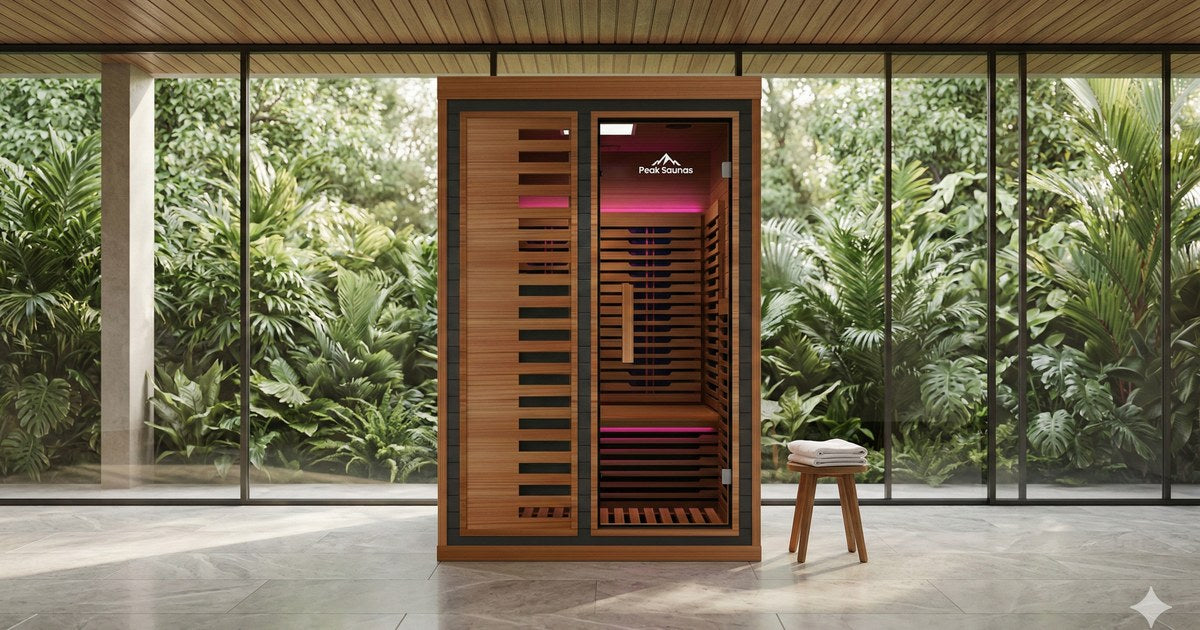
The most beneficial sauna activities focus on relaxation and mindfulness rather than productivity or entertainment. Research published in Complementary Therapies in Medicine (2018) found that participants combining meditation how saunas enhance your meditation practice with sauna session maximizing your infrared sauna benefitss experienced 40% greater reductions in anxiety compared to passive sauna use alone. Controlled breathing exercises during heat exposure enhance parasympathetic activation (rest-and-digest nervous system), amplifying stress reduction benefits. Light stretching sauna stretching routine while muscles are warm improves flexibility gains by 25-30% compared to stretching at normal body temperature sauna temperature guide. The optimal approach is minimizing distractions and focusing inward during the first 15-20 minutes when physiological responses are most active, then optionally adding gentle activities like listening to calming music or audiobooks during the final 10-15 minutes. Most therapeutic benefits come from allowing your body to focus on heat adaptation responses rather than dividing attention between multiple activities. What you do during sessions significantly affects both immediate experience and long-term benefits. Strategic activity choices can amplify therapeutic effects while poor choices may reduce benefits or create safety concerns. Understanding the Sauna Session Timeline Your body progresses through distinct physiological phases during infrared sauna sessions. Understanding this timeline helps optimize activities to support rather than interfere with therapeutic responses. Minutes 0-5: Initial Adjustment Phase Heart rate begins increasing, blood vessels start dilating, and light sweating may begin. Your body is activating sympathetic nervous system responses to heat stress. This isn't an ideal time for demanding mental activities since your body is mobilizing resources for heat management. During this phase, focus on settling in, finding a comfortable position, and establishing breathing rhythm. Avoid jumping into podcasts, reading, or other attention-demanding activities immediately. Minutes 5-15: Active Adaptation Phase Core temperature rises most rapidly during this window. Sweating intensifies, heart rate reaches sustained elevation, and heat shock proteins begin production. Blood flow redistributes from internal organs to skin for cooling. This represents peak physiological activity when your body is working hardest. This phase benefits most from mindful awareness of body sensations, controlled breathing, or meditation. Activities requiring concentration can interfere with your body's adaptation responses. Minutes 15-25: Steady State Phase Your body reaches equilibrium between heat input and cooling capacity. Core temperature stabilizes at an elevated level, sweating continues steadily, and cardiovascular responses plateau. Many therapeutic effects are maximizing during this window. This phase accommodates gentle activities like listening to music, guided meditation, or light stretching without disrupting physiological processes. Minutes 25-40: Completion Phase As you approach the end of therapeutic duration ranges, your body has received maximum heat stimulus. Core temperature remains elevated but additional time provides diminishing returns beyond continued sweating for detoxification. During this phase, you can maintain current activities or begin preparing mentally for session completion and cool-down. Understanding these phases helps you time activities appropriately. High-focus activities in minutes 5-15 may reduce benefits, while the same activities during minutes 20-30 have less impact on physiological responses. Best Activities During Sauna Sessions Meditation and Mindfulness Meditation during heat exposure creates synergistic stress reduction benefits. The forced present-moment awareness from heat sensations naturally anchors attention, making meditation easier than in normal conditions. Research shows combined meditation and sauna produces greater cortisol reductions and anxiety improvements than either practice alone. Simple Mindfulness Practice: 1. Focus attention on breathing sensations (air moving in/out of nostrils) 2. Notice body sensations without judgment (heat, sweating, heart beating) 3. When mind wanders, gently return attention to breath or body 4. Continue for 10-20 minutes The heat provides abundant sensory input for mindfulness practice. You can observe how heat sensation changes throughout your body, how sweating intensifies and spreads, how breathing deepens naturally. Body Scan Meditation: Progressively move attention through body regions from feet to head, noticing sensations in each area. The elevated body awareness during heat exposure makes body scanning particularly effective. Many people notice tension patterns they typically miss, allowing conscious release. Loving-Kindness Practice: Generate feelings of warmth and compassion toward yourself and others. The physical warmth of sauna can help access emotional warmth states more easily than in normal conditions. Meditation amplifies mental health benefits including stress reduction, anxiety relief, and mood improvement that sauna provides independently. Controlled Breathing Exercises Breathing practices during sauna sessions enhance parasympathetic nervous system activation, supporting relaxation and stress recovery. Heat naturally causes breathing rate increases, making conscious breath control particularly valuable. Box Breathing (4-4-4-4): * Inhale for 4 counts * Hold for 4 counts * Exhale for 4 counts * Hold for 4 counts * Repeat for 5-10 minutes This balanced pattern promotes autonomic nervous system balance and reduces anxiety. Extended Exhale (4-7-8): * Inhale through nose for 4 counts * Hold breath for 7 counts * Exhale completely through mouth for 8 counts * Repeat 4-8 cycles The extended exhale activates parasympathetic responses more strongly than balanced breathing. Particularly effective for stress management applications. Diaphragmatic Breathing: Place one hand on chest, one on belly. Breathe so belly hand rises while chest hand stays relatively still. This engages the diaphragm fully, improving oxygen exchange and promoting relaxation. Avoid hyperventilation or rapid breathing patterns. These can cause dizziness when combined with heat-induced blood pressure changes. Light Stretching and Gentle Movement Warm muscles stretch more effectively with less injury risk. Heat increases tissue extensibility by 20-30%, making sauna an ideal environment for flexibility work. However, aggressive stretching in extreme heat can cause overstretching injuries. Safe Stretching Guidelines: * Wait until 10-15 minutes into session when muscles are thoroughly warm * Use gentle sustained stretches, not bouncing or forcing * Hold each stretch 20-30 seconds * Never stretch to pain, only mild tension * Focus on problem areas (tight shoulders, hips, hamstrings) Recommended Stretches: * Neck rolls and shoulder shrugs for upper body tension * Seated forward fold for hamstrings and lower back * Hip openers (butterfly stretch, pigeon pose variations) * Spinal twists (gentle rotation while seated) Light stretching combines well with mindfulness. Notice sensation changes as muscles release. Breathe into tight areas rather than forcing flexibility. Avoid intense yoga flows or vigorous movement. These add metabolic heat to external heat, risking excessive core temperature elevation. Save demanding physical practices for outside the sauna. Athletes can benefit from gentle mobility work during sauna as part of recovery protocols, but keep intensity minimal. Reading Reading during sauna is popular but has limitations. Light reading of non-demanding material works reasonably well during the steady-state phase (minutes 15-30). However, several factors complicate reading: Practical Challenges: * Sweat drops on books, magazines, or devices * Screen glare in lighting conditions * Reduced concentration from heat * Moisture damage to paper materials * Device overheating concerns Best Practices if Reading: * Use waterproof e-readers or tablets in protective cases * Wait until 15-20 minutes into session when adaptation phase completes * Choose light material not requiring deep concentration * Keep sessions shorter if reading to maintain focus * Wipe devices carefully to prevent moisture damage Better Alternatives: Audiobooks or podcasts provide content consumption without physical material concerns or need to maintain visual focus. However, even these should wait until steady-state phase to avoid interfering with initial physiological responses. Honestly, reading represents a less-than-optimal activity choice if maximizing therapeutic benefits is your priority. The attention demanded by reading may reduce your body's ability to fully engage heat adaptation responses. Music and Audio Content Audio content during sauna can enhance or detract from benefits depending on choices. Beneficial Audio: * Calming instrumental music (classical, ambient, nature sounds) * Guided meditations designed for relaxation * Binaural beats or soundscapes for stress reduction * Gentle audiobooks or podcasts during final 10-15 minutes Less Ideal Audio: * Stimulating or aggressive music that activates sympathetic nervous system * News or content causing stress or anxiety * Anything requiring intense concentration * Material causing emotional upset Volume Considerations: Keep volume moderate, not loud. Your auditory system processes information differently during heat stress. Loud audio can feel more intense than usual. Timing: Consider waiting until 10-15 minutes into sessions before starting audio. Allow your body to settle into heat response without immediate distraction. The initial minutes benefit from quiet awareness. Some users find complete silence most therapeutic, allowing full attention to internal experience and body sensations. Visualization and Mental Rehearsal The relaxed state induced by heat provides an excellent mental environment for visualization practices used by athletes and performers. Visualization Applications: * Athletes can mentally rehearse skills or competitions * Professionals can visualize presentations or difficult conversations * Anyone can imagine desired outcomes or future goals * Healing visualizations for chronic pain or illness The combination of physical relaxation and elevated body awareness makes sauna visualization particularly vivid and effective. Many people find they can maintain focus longer and access more detailed mental imagery during heat exposure. Simple Practice: Create detailed mental images of desired scenarios, engaging all senses. Imagine sights, sounds, feelings, even smells associated with your visualization. The heightened sensory awareness during sauna amplifies this practice. Social Interaction vs. Solo Practice Traditional Finnish sauna culture includes social interaction, with families and friends sharing sessions. Infrared home saunas typically support 1-2 people, creating options for both solo and shared experiences. Solo Session Benefits: * Complete control over temperature, duration, and activities * Easier to maintain meditation or deep relaxation * No pressure to converse when you want quiet * Freedom to move, stretch, or change positions without consideration * Enhanced introspection and self-awareness Shared Session Benefits: * Relationship bonding through shared experience * Accountability for regular practice * Conversation can make time pass pleasantly * Couples can enjoy quality time together * Reduced perceived effort through distraction If Sharing: Establish expectations beforehand. Will you talk throughout or maintain quiet? Who controls temperature? Respect both people's comfort limits. Don't push your partner to stay longer than they're comfortable. For therapeutic applications requiring deep relaxation or meditation, solo sessions often produce stronger benefits. For general wellness and relationship building, shared sessions work well. Activities to Avoid Never in Sauna: * Alcohol consumption (severe dehydration risk, impaired judgment, dangerous hyperthermia) * Sleep (risk of excessive duration, dehydration, hyperthermia without protective arousal) * Intense exercise (dangerous core temperature elevation) * Using phone for extended periods (device damage, distraction from benefits) * Eating (diverts blood flow from cooling function) Not Recommended: * Work-related tasks (defeats stress reduction purpose) * Stressful conversations or relationship conflicts * Social media scrolling (mental stimulation counteracts relaxation) * Problem-solving or planning (use post-sauna clarity instead) * Anything requiring intense concentration The principle is simple: activities should support relaxation and allow your body to focus on heat adaptation responses, not demand additional resources or attention. Hydration During Sessions Proper hydration is an activity that deserves specific attention. While you shouldn't drink constantly during sessions, strategic hydration supports both safety and therapeutic benefits. Optimal Hydration Protocol: * Drink 16-24 ounces 30 minutes before sessions * Bring 8-16 ounces water into sauna with you * Take small sips (2-4 ounces) around the midpoint (15-20 minutes) * Avoid drinking large amounts during sessions (diverts blood to digestion) * Replace all fluid losses immediately after sessions Water temperature matters. Very cold water during sessions can cause uncomfortable stomach sensations. Room temperature or slightly cool water goes down more easily. Add electrolytes to water if sessions exceed 30 minutes or you sweat heavily. Sodium, potassium, and magnesium losses through sweat need replacement for optimal recovery. Monitor urine color the rest of the day. Pale yellow indicates adequate hydration. Dark yellow or amber signals insufficient replacement of sauna fluid losses. Red Light Therapy During Sessions Saunas equipped with medical-grade red light therapy provide dual benefits during sessions. Red light (630-850nm wavelengths) penetrates skin to enhance mitochondrial function, promote collagen production, and reduce inflammation at cellular level. Optimizing Red Light Exposure: Position yourself to receive direct red light on target areas (face for skin benefits, joints for pain relief, larger muscle groups for recovery). The red light works throughout your session automatically, requiring no additional activity or attention. Combined Benefits: You're receiving both heat therapy benefits (improved circulation, sweating, heat shock proteins, cardiovascular responses) and red light therapy benefits (cellular energy production, collagen synthesis, reduced oxidative stress) simultaneously. This makes each minute of session time more therapeutically valuable.Peak Shasta ($7,250) and Rainier($7,950) models include XL medical-grade red light panels with 8 therapeutic wavelengths (630-1,060nm), providing comprehensive cellular support during heat therapy sessions. Post-Session Activities What you do immediately after sessions affects benefit retention and recovery. Optimal Cool-Down Protocol: 1. Minutes 0-5: Sit or recline in cool area, allowing gradual cooling while continuing to sweat 2. Minutes 5-10: Drink 16-32 ounces water with electrolytes, continue gradual cooling 3. Minutes 10-15: Take warm shower, optionally finishing with cool water 4. Minutes 15-30: Light activity (gentle walking) or rest, continued hydration Post-Session Benefits Window: Many people experience enhanced mental clarity, creativity, and problem-solving ability 15-45 minutes after sessions. This represents an ideal time for planning, creative work, or journaling. The physiological stress has resolved but cognitive enhancement remains. Evening Session Protocol: If using sauna for sleep improvement, complete sessions 1-2 hours before bed. Use the post-session window for relaxing activities (reading, gentle music, meditation) that maintain the calm state rather than stimulating activities that might interfere with sleep. Session Frequency Considerations How often you use sauna affects what activities make sense during sessions. For detailed scheduling guidance, see our comprehensive frequency guide. 3-5 Sessions Weekly: This frequency allows treating each session as a dedicated wellness practice. You can invest fully in meditation, breathwork, and mindful stretching since sessions are relatively infrequent. Daily Sessions: If using sauna daily, varying activities prevents monotony. Rotate between meditation-focused sessions, stretching-focused sessions, and passive relaxation with music. This variation maintains engagement with the practice. Occasional Use: If using sauna only occasionally (1-2 times weekly), maximize therapeutic focus during sessions. Skip distractions like reading or podcasts. Use the limited exposure time for activities proven to amplify benefits like meditation and controlled breathing. Creating Your Personal Protocol The optimal activities depend on your goals, personality, and what makes practice sustainable long-term. For Stress Reduction: Focus on meditation, breathing exercises, and quiet contemplation. Minimize all distractions. The 25-35 minutes of forced disconnection from daily demands is itself therapeutic. For Pain Management: Combine heat exposure with gentle stretching of affected areas, visualization of healing, and mindful awareness of pain sensations without judgment. The combination addresses both physical and mental aspects of chronic pain. For Athletic Recovery: Light mobility work in the 15-25 minute window, mental rehearsal of skills, and visualization of successful performance. Keep stretching gentle since recovery benefits come primarily from heat, not aggressive flexibility work. For General Wellness: Flexibility to vary activities based on daily needs. Some days use sessions for deep meditation, other days enjoy music or audiobooks. The key is consistency of practice, not rigidity of activities. For Immune Support: During wellness periods when using sauna for immune enhancement or cold prevention, activities are less critical. Focus on consistency of exposure rather than specific practices during sessions. Conclusion: Optimizing Sauna Activities What Research and Practice Support ✓ ✓ Meditation and mindfulness: 40% greater stress reduction when combined with heat exposure compared to passive use ✓ Controlled breathing exercises: Enhanced parasympathetic activation amplifying relaxation benefits ✓ Light stretching: 25-30% improved flexibility gains compared to stretching at normal temperature ✓ Minimal distraction during first 15 minutes: Allows full engagement of physiological heat adaptation responses ✓ Strategic timing of activities: Different activities suit different phases of physiological response What to Avoid During Sessions ✗ ✗ Alcohol consumption: Severe safety risks including dangerous hyperthermia and dehydration ✗ Sleep or lying unconscious: Risk of excessive duration and heat exposure without protective responses ✗ Intense physical activity: Dangerous additive core temperature elevation ✗ Work tasks or stressful content: Defeats stress reduction purpose and may reduce therapeutic benefits ✗ Constant distraction: Reduces ability to benefit from heat-induced relaxation state The Evidence-Based Verdict The most therapeutic sauna sessions minimize distraction and maximize present-moment awareness, especially during the initial 15-20 minutes when physiological responses are most active. Activities amplifying relaxation (meditation, breathwork, gentle stretching) enhance benefits while demanding activities (reading, work, stressful conversation) may reduce therapeutic effects. Individual preferences matter. Some people need complete silence for optimal relaxation. Others find gentle music or nature sounds helpful. The key is choosing activities that support rather than interfere with the relaxed, aware state that maximizes benefits. Optimal Activity Protocol Recap Minutes 0-10: 1. Settle into comfortable position 2. Establish breathing rhythm 3. Begin mindfulness or body awareness 4. Minimal external distraction Minutes 10-25: 1. Continue meditation or breathing exercises, OR 2. Add gentle stretching of tight areas, OR 3. Introduce calming music or guided meditation 4. Small sips of water around minute 15-20 Minutes 25-40: 1. Maintain current practice or wind down 2. Return to simple breath awareness 3. Prepare mentally for session completion 4. Optional light audio content Post-Session: 1. Gradual 5-10 minute cool-down 2. Immediate rehydration (16-32 ounces) 3. Warm shower after initial cooling 4. Use cognitive clarity window productively Best Candidates for Activity-Enhanced Sessions 1. People experienced with meditation seeking to deepen practice 2. Those with chronic stress wanting maximum relaxation benefits 3. Athletes incorporating mental skills training 4. Individuals with chronic pain using mind-body approaches 5. Anyone wanting to maximize therapeutic value from limited session time Investment Recommendation Budget Option: Dynamic models ($2,099-$2,298) provide basic infrared therapy space. The Peak Mini ($5,550) offers a purpose-built 1-person interior that supports a focused seated practice. Optimal Choice: ThePeak Shasta ($7,250) for individuals or Peak Rainier ($7,950) for couples provides space for various activities including stretching, meditation positions, and comfortable reclining. The inclusion of medical-grade red light therapy means you're receiving cellular energy enhancement automatically during sessions regardless of chosen activities, maximizing benefit from every minute without requiring additional focus or effort. Final Recommendation Treat sauna sessions as dedicated wellness time deserving full attention rather than multitasking opportunities. The 25-40 minutes you invest 3-5 times weekly provide some of your only truly unplugged, device-free, demand-free time. Honor this by focusing on practices that amplify rather than dilute benefits. Experiment with different activities across multiple sessions. What feels optimal varies by individual and may change day-to-day based on stress levels, physical state, and mental needs. Build a toolkit of practices you can draw from based on current requirements. Start simple with basic breath awareness. Add complexity gradually as you become comfortable with heat exposure and develop personal preferences. Ready to create your optimal sauna practice with space and features supporting various therapeutic activities? Visit Peak Saunas for full spectrum infrared saunas with medical-grade red light therapy starting at $5,550, providing comfortable environments for meditation, stretching, breathwork, and relaxation practices that maximize the therapeutic value of every session.
Frequently Asked Questions What should you not do in a sauna? Never consume alcohol in a sauna as this creates severe safety risks including dangerous hyperthermia, impaired judgment about heat tolerance, excessive dehydration, and increased risk of heat stroke requiring emergency medical care. Never sleep or allow yourself to become unconscious since protective arousal mechanisms fail under heat stress. Avoid intense exercise or vigorous movement that adds metabolic heat to external heat, causing dangerous core temperature elevation. Don't eat meals during sessions as digestion diverts blood flow from skin cooling function. Never use sauna during active fever or acute illness. Avoid work-related tasks or stressful activities that defeat the stress reduction purpose. Don't use phone excessively as screens can overheat and the distraction reduces therapeutic benefits. Never exceed recommended duration limits (maximum 45-50 minutes) regardless of how comfortable you feel. Don't ignore warning signs like severe dizziness, nausea, confusion, or chest pain. Avoid bringing valuable items that moisture might damage. Never use sauna while taking medications that impair judgment, heat tolerance, or sweating without physician approval. Following these safety guidelines ensures beneficial sessions without risks. Can you read or use your phone in an infrared sauna? You can read or use phones in infrared sauna with limitations and caveats. Sweat dripping on devices or books creates damage risk. Screen glare in sauna lighting makes viewing difficult. Heat reduces your concentration ability, making complex reading or tasks frustrating. Device overheating can occur, particularly with phones generating heat during use. Most importantly, reading and phone use distract from therapeutic benefits by dividing attention during physiological heat adaptation responses. If you choose to read or use devices, wait until 15-20 minutes into sessions when initial adaptation phase completes, use waterproof cases or screen protectors, choose light non-demanding content, wipe devices frequently to prevent moisture damage, and accept that you're somewhat reducing potential benefits. Better alternatives include audiobooks or podcasts that don't require visual focus or physical materials. Honestly, maximizing therapeutic value means treating sessions as device-free time dedicated to relaxation, meditation, or mindful awareness rather than productivity or entertainment opportunities. The 25-40 minutes without screens provides rare unplugged time in modern life. Consider embracing rather than filling this space. Is it better to sit or lie down in a sauna? Both positions work well with different advantages. Lying down distributes heat exposure more evenly across body surface area, reduces cardiovascular demand since your heart doesn't work against gravity, promotes deeper relaxation particularly for stress reduction and sleep preparation, and allows most people to stay comfortably 5-10 minutes longer than sitting. Lying position facilitates full-body stretching and certain breathing exercises. However, sitting provides easier entry and exit, some people breathe more comfortably upright, and it works better for meditation practices requiring alertness rather than drowsiness. Many experienced users combine both: sitting during first 10-15 minutes for active meditation or breathing exercises, then lying down for final 15-20 minutes for deep relaxation. Your sauna dimensions affect options, with 1-person models typically requiring sitting while 2-person models often accommodate lying down. Experiment with both to determine preference. Position doesn't fundamentally change optimal session duration (25-40 minutes for most applications), but comfort levels vary. Choose based on your goals, with lying down optimal for deep relaxation and sitting better for alert meditation or gentle stretching. Should you meditate during sauna sessions? Yes, meditation during sauna sessions amplifies benefits significantly. Research shows combined meditation and heat exposure produces 40% greater anxiety reduction compared to passive sauna use alone. The heat naturally anchors attention to present-moment body sensations, making meditation easier than under normal conditions. Physical discomfort from heat creates natural mindfulness object requiring no artificial focus technique. The forced stillness and disconnection from external demands provides ideal meditation environment. Heat stress activates sympathetic nervous system while meditation engages parasympathic responses, creating beneficial balance between activation and relaxation. Many meditation practitioners report deeper states during sauna sessions than regular practice. Simple approaches work well: focus on breathing sensations, notice body sensations without judgment, or practice body scan moving attention systematically through body regions. The elevated body awareness during heat makes body scanning particularly effective. Start with 10-15 minutes of meditation during middle portion of sessions. This combines well with mental health benefits sauna provides independently. Even people who find regular meditation challenging often discover heat-enhanced meditation more accessible and immediately rewarding. Can you do yoga or stretch in an infrared sauna? Yes, gentle stretching works well in infrared sauna and provides enhanced flexibility benefits, but avoid intense yoga flows or vigorous movement. Warm muscles stretch more effectively with 20-30% greater flexibility gains compared to stretching at normal body temperature. Heat increases tissue extensibility and reduces injury risk from stretching. Wait until 10-15 minutes into sessions when muscles are thoroughly warm before starting stretches. Use gentle sustained holds for 20-30 seconds, never bouncing or forcing range of motion. Focus on problem areas like tight shoulders, hips, hamstrings, and lower back. Good options include seated forward folds, hip openers, gentle spinal twists, and neck/shoulder releases. However, avoid demanding yoga flows, power yoga, or vigorous sequences. These add metabolic heat generation to external heat, creating dangerous core temperature elevation. The goal is taking advantage of warm, pliable tissues for gentle mobility work, not intense practice. Light stretching combines well with mindfulness and breathing exercises. Athletes can incorporate gentle mobility work as part of recovery protocols. Keep intensity minimal and prioritize safety over maximum flexibility work. If choosing between stretching and meditation, consider alternating between sessions rather than trying both simultaneously. How should I breathe during sauna sessions? Controlled breathing during sauna sessions enhances relaxation benefits and supports physiological adaptation. Heat naturally increases breathing rate as your body works to cool itself. Conscious breath control helps manage this response and activates parasympathetic nervous system. Simple diaphragmatic breathing works well: breathe so your belly expands while chest stays relatively still, engaging the diaphragm fully for better oxygen exchange. Box breathing (4-4-4-4 pattern: inhale 4, hold 4, exhale 4, hold 4) creates autonomic balance and reduces anxiety. Extended exhale breathing (4-7-8 pattern: inhale 4, hold 7, exhale 8) strongly activates relaxation responses. Practice breathing exercises during the 10-25 minute window when your body has adapted to initial heat but before sessions end. Avoid hyperventilation or rapid breathing patterns as these can cause dizziness when combined with heat-induced blood pressure changes. Never hold breath for extended periods during heat stress. If breathing becomes labored or you can't maintain conversational breathing pace, reduce temperature or exit the sauna. Breathing should feel slightly elevated but never strained or panicked. The combination of heat exposure and controlled breathing creates powerful stress reduction effects exceeding either practice alone. What should I bring into the sauna with me? Bring minimal items focusing on safety and hydration rather than entertainment. Essential items include 8-16 ounces of room-temperature water for mid-session hydration, a towel to sit on (absorbs sweat and protects sauna surfaces), and optionally a small towel to wipe face/body during sessions. Consider including electrolyte tablets if sessions exceed 30 minutes or you sweat heavily. You can bring wireless headphones if planning to listen to audio content, though wait until you're adapted to heat before introducing distractions. A waterproof timer or using built-in sauna timers helps track optimal session duration without constantly checking. Avoid bringing phones unless necessary (moisture damage risk), books or magazines (sweat damage), valuable jewelry (metal heats up, tarnishing risk), or electronics not rated for heat/moisture. Never bring alcohol, medications you weren't specifically instructed to take during sessions, or food. Wear minimal comfortable clothing (swimsuit, athletic shorts, or use nude if private space). Remove glasses if possible as frames heat up. The principle is minimalism: bring only what supports safe, beneficial sessions rather than recreating everyday environment. The absence of typical distractions becomes part of the therapeutic value. Can couples do different activities if sharing a sauna? Yes, couples sharing sauna can engage in different activities simultaneously, though some coordination helps optimize the experience. One person might meditate while the other listens to music via headphones, or one might stretch while the other relaxes quietly. The key is ensuring activities are compatible and respectful. Avoid one person talking extensively if the other wants quiet for meditation. Volume levels for any audio should stay low enough not to disturb your partner. If one wants to stretch, ensure sufficient space exists without crowding. Many couples find shared quiet time valuable, both engaging in similar relaxation practices without formal conversation. This creates bonding through parallel experience rather than constant interaction. Some couples prefer conversational sessions, catching up on daily events or discussing plans. Both approaches work if both people agree beforehand. Establish expectations before entering to prevent frustration during sessions. Respect comfort differences regarding temperature, duration, and when to exit. The person with lower heat tolerance should determine session length to prevent pushing past safe limits. Shared sessions can enhance relationship quality through regular dedicated time together, particularly valuable for busy couples with limited connection opportunities. Whether you talk, stay quiet, or mix both approaches, the shared wellness practice itself provides benefits beyond individual therapeutic effects. Ready to create your optimal sauna practice with space for both solo focused sessions and comfortable shared experiences? Visit Peak Saunas for 2-person infrared saunas like the Peak Rainier that accommodate couples while providing full spectrum heat therapy and medical-grade red light for comprehensive wellness benefits.


