The PEAK journal
"Infrared Sauna First Time: Complete Beginner's Guide"
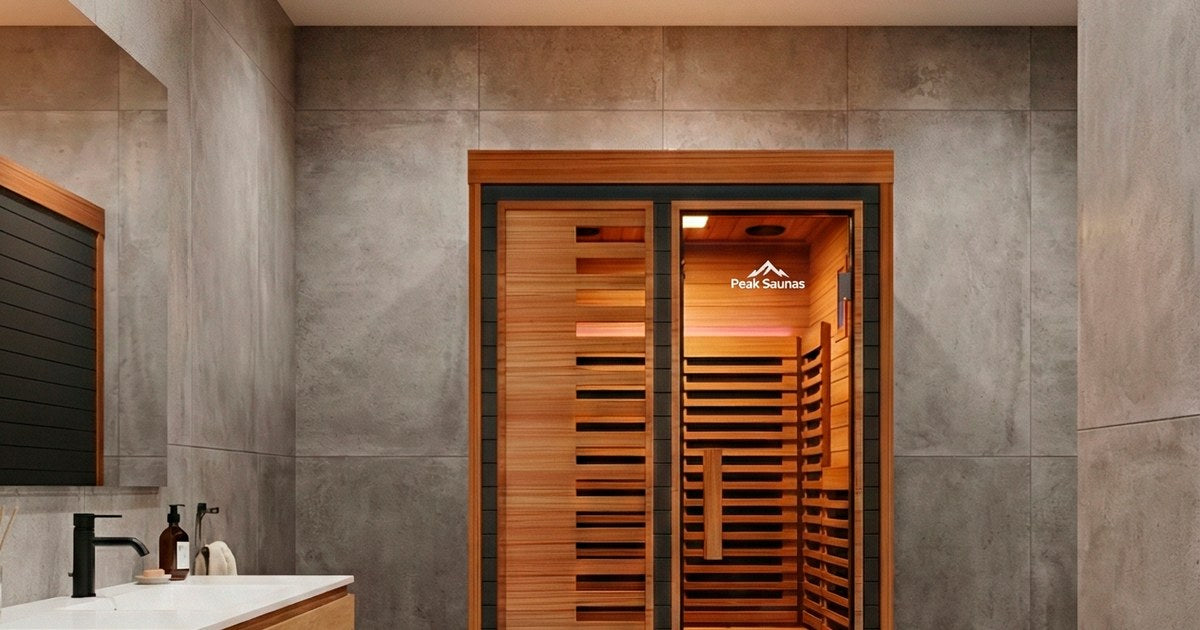
Your first infrared sauna session should be 15-20 minutes at 120-130°F (49-54°C)—gentler than what experienced users do. Arrive hydrated, wear minimal clothing or a towel, sit back and relax (no phone), and follow with cool water and electrolytes. Most first-timers are surprised by how comfortable infrared feels compared to traditional saunas, with deep warmth that builds gradually rather than hitting you like a wall of heat.
If you've booked your first infrared sauna session or just purchased a home unit, you probably have questions. What will it feel like? What should you bring? How hot is too hot? This guide covers everything you need to know for a great first experience—and sets you up for ongoing success.
Still deciding which sauna to buy? Our complete infrared sauna buying guide covers every feature that matters.
What to Expect During Your First Session
Key takeaway: When buying an infrared sauna, key specifications to evaluate include heater type (carbon vs. ceramic), spectrum coverage (near, mid, and far infrared), interior wood species, wattage, and warranty terms. Peak Saunas full-spectrum infrared saunas use low-glare carbon-composite heaters, kiln-dried Canadian hemlock construction, and an integrated red light panel with 216 dual-chip LEDs delivering 175 mW/cm² at 6 inches. All Peak Saunas models include free shipping and a 7-Year Residential Warranty.
Knowing what's coming helps you relax and enjoy the experience. Here's the typical progression of a first infrared sauna session.
The First Few Minutes (0-5 minutes)
You enter the cabin and sit down. The temperature might read 120-130°F, but it doesn't feel that hot—not like stepping into a traditional sauna. The air is warm but breathable.
What you'll notice:
- Pleasant warmth on your skin
- Comfortable breathing (unlike steam or traditional saunas)
- The infrared heaters may have a faint red glow (near-infrared) or no visible light (far-infrared)
- Relaxing atmosphere—most people feel tension begin to release
The warmth feels different from other heat sources. Instead of hot air pressing on you, the heat seems to come from inside your body. This is infrared at work—heating your tissues directly rather than heating the air first.
Building Heat (5-10 minutes)
Now the warmth deepens. You'll start to feel genuinely warm throughout your body, not just on skin surfaces.
What you'll notice:
- Increased sense of internal warmth
- Light perspiration beginning (or not—some first-timers don't sweat much initially)
- Heart rate slightly elevated
- Deeper relaxation settling in
- Maybe some mild tingling as circulation increases
Don't worry if you're not pouring sweat. First-timers often sweat less than experienced users because your body's sweating response improves with regular use. You're still getting benefits.
Peak Heat (10-20 minutes)
You're now fully warm. Your body is working to regulate temperature, blood flow has increased, and you may be sweating moderately to heavily.
What you'll notice:
- Definite sweating (though amount varies greatly between people)
- Elevated heart rate (100-130 bpm is typical)
- Deep muscular relaxation
- Possible slight light-headedness if you're not well hydrated
- Time may seem to pass quickly
This is where the magic happens—heat shock proteins activate, circulation peaks, and your body enters a beneficial stress response. Enjoy it.
The End of Your Session
Most first-timers should stop at 15-20 minutes, even if they feel like they could continue. End before you feel exhausted or overly drained.
Signs it's time to stop:
- You've reached your target time
- You feel "done" (learn to trust this feeling)
- Any discomfort, dizziness, or nausea (stop immediately)
- Excessive heart rate or feeling faint
Exit slowly—stand up gradually, as blood pressure changes can cause momentary dizziness. This is normal but shouldn't be dramatic.
After You Exit
Once outside, you'll continue sweating for several minutes as your body cools down. This is normal and expected.
What you'll notice:
- Continued sweating for 5-15 minutes
- Deep sense of relaxation (many describe feeling "floaty")
- Mild fatigue mixed with alertness
- Thirst (drink up!)
- Glowing, flushed skin
- Over the next hour: calm energy, improved mood, potential sleepiness later
Most first-timers report feeling great after—relaxed but not wiped out. The experience is gentler than many expect.
What to Wear in an Infrared Sauna
Clothing choice affects both comfort and effectiveness. Here's the breakdown.
Best Options
Minimal Clothing (Recommended)
- Bathing suit
- Shorts only (men)
- Sports bra and shorts (women)
- Underwear
Why minimal is better:
Infrared light needs to reach your skin to work. Clothing blocks or absorbs infrared before it reaches your body. The more skin exposed, the more benefit you receive.
Towel/Nude (Private Settings)
At home or in private rooms, using just a towel or going nude maximizes infrared absorption. This is the traditional Finnish approach.
What to Avoid
- Heavy cotton clothing — Absorbs sweat, becomes uncomfortable, blocks infrared
- Dark synthetic fabrics — Can get very hot from infrared absorption
- Anything with metal — Zippers, underwire, buttons may heat up
- Tight, restrictive clothing — Uncomfortable as body heats and swells slightly
- Jewelry — Metal can get hot; remove watches, rings, necklaces
What About Glasses?
If you need vision correction:
- Regular glasses — Generally fine, but may fog or get warm
- Contacts — Usually okay, but some people experience dryness
- Neither — You don't need to see clearly to sit in a sauna
What About Towels?
Most facilities provide towels. For home use:
- Seat towel — Sit on a towel for hygiene and sweat absorption
- Second towel — Keep nearby for wiping face/body
- Hair towel — Optional, if you don't want sweaty hair
Optimal Temperature and Duration for Beginners
Starting conservatively and building up is the smart approach. Your body adapts to heat therapy over time.
First Session Recommendations
| Factor | Beginner Setting | Notes |
|---|---|---|
| Temperature | 120-130°F (49-54°C) | You can always increase later |
| Duration | 15-20 minutes | End before you feel exhausted |
| Sessions/week | 1-2 to start | Build tolerance gradually |
The Adaptation Curve
Your heat tolerance improves with regular use:
Weeks 1-2:
- 15-20 minutes
- 120-130°F
- 1-2 sessions
Weeks 3-4:
- 20-25 minutes
- 130-140°F
- 2-3 sessions
Week 5+:
- 25-40 minutes
- 140-150°F
- 3-5 sessions
Experienced users:
- 30-45 minutes
- 145-155°F
- 4-7 sessions
Listen to your body more than any chart. Some people adapt quickly; others need longer. There's no rush.
Why Not Go Hotter, Longer Right Away?
- Diminishing returns — More isn't always better; moderate heat triggers the same beneficial adaptations
- Recovery matters — Your body needs to recover from heat stress like any other stressor
- Sustainability — Starting gently builds a habit; starting extreme leads to burnout
- Safety — First-timers don't know their limits yet; caution prevents problems
The goal is consistency over decades, not intensity in a single session.
Pre-Session Preparation
What you do before your session affects the experience significantly.
Hydration Is Non-Negotiable
Before sauna:
- Drink 16-20 oz of water in the 1-2 hours before
- Don't chug immediately before (uncomfortable)
- If you're already dehydrated, postpone your session
Signs you're not hydrated enough:
- Dark urine
- Thirst before you start
- Headache
- Fatigue
Dehydration turns a pleasant experience into an unpleasant one—and increases health risks. Take this seriously.
Timing Relative to Eating
| Timing | Recommendation |
|---|---|
| Right after large meal | Wait 1-2 hours—digestion and heat compete for blood flow |
| Slightly hungry | Ideal—light stomach, energy available |
| Fasted (extended) | Be careful—low blood sugar + heat can cause dizziness |
| Light snack 30 min before | Fine—fruit, crackers, small portion |
Timing Relative to Exercise
Sauna after workout:
- Wait at least 30 minutes after intense exercise
- Your body is already heat-stressed from exercise
- Stacking stressors can lead to overload
Sauna instead of workout:
- Perfectly fine on rest days
- Provides cardiovascular benefits without impact
- Good option when injured or recovering
Sauna before workout:
- Generally not recommended
- Pre-fatigue and dehydration can impair performance
Shower Before
A quick rinse before sauna:
- Removes lotions, sunscreen, deodorant (these can smell unpleasant when heated)
- Opens pores slightly
- Ensures clean skin contacts surfaces
- Is common courtesy at shared facilities
What to Bring (Facility Sessions)
- Water bottle
- Two towels (one to sit on, one for wiping)
- Change of clothes
- Sandals/flip flops
- Hair tie (if applicable)
- Minimal jewelry/valuables
What Not to Do Before
- Alcohol — Dehydrating, impairs heat regulation, dangerous
- Heavy meals — Uncomfortable, diverts blood to digestion
- Intense exercise — Additional heat stress
- Caffeine (debated) — May increase heart rate further; some tolerate it fine
- Lotions/oils — Can heat uncomfortably, smell unpleasant
During Your Session: Making the Most of It
Once you're in, here's how to optimize the experience.
Positioning and Posture
Sitting vs. Lying:
Most infrared saunas are designed for sitting. Heaters are positioned around the seating area for optimal coverage.
Posture tips:
- Sit with good posture, back against the backrest
- Don't slump or hunch (reduces heater coverage)
- Extend legs fully if possible (exposes more skin to heaters)
- Rotate periodically to ensure all sides heat evenly
Breathing
Heat can trigger subtle breath changes. Stay aware:
- Breathe slowly and deeply
- In through nose, out through mouth works well
- Avoid shallow, rapid breathing (increases anxiety)
- Some people enjoy simple breathing exercises or meditation
What to Do (and Not Do)
Do:
- Relax—this is recovery time
- Meditate or practice mindfulness
- Listen to calming music or podcasts
- Stretch gently
- Just... be
Don't:
- Bring your phone (adds stress, can overheat device)
- Do work or answer emails
- Exercise or do calisthenics
- Read (sweat + pages = mess; eye strain in dim light)
- Eat
The sauna works best as a break from stimulation. Treat it as a digital detox opportunity.
Sweating Patterns
First-timers often worry they're not sweating "correctly." Here's the reality:
Sweating varies enormously:
- Some people pour sweat; others barely glisten
- First-timers often sweat less than experienced users
- Sweat response improves with regular use (heat acclimation)
- Hydration status affects sweating heavily
- Time of day, hormones, and genetics all play roles
Where sweating happens:
- Usually starts on forehead and upper lip
- Spreads to chest, back, and arms
- Legs often sweat least
- Areas with more sweat glands sweat first
Don't compare yourself to others. Your body knows what it's doing.
If You Feel Uncomfortable
Mild discomfort (normal):
- You're very warm → That's the point
- Sweating profusely → Working as intended
- Heart rate elevated → Normal response
Signs to take action:
- Dizziness or light-headedness → Lie down, exit if it doesn't resolve quickly
- Nausea → Exit immediately
- Headache → May be dehydration; exit and hydrate
- Heart racing uncomfortably → Exit and cool down
- Feeling faint → Exit immediately, lie down with legs elevated
When in doubt, leave. You can always try again another day.
Post-Session Recovery
What you do after sauna matters almost as much as the session itself.
The Cool-Down Period
Don't rush back to normal activity. Your body needs time to normalize:
First 5-10 minutes:
- Exit slowly, stand up gradually
- Sit or stand in a cool area
- Continue sweating (this is normal)
- Begin hydrating
Next 10-20 minutes:
- Take a shower (start warm, go cooler if desired)
- Continue hydrating with electrolytes
- Rest if you feel tired
- Avoid cold shocks immediately (controversial—see below)
Cold Plunge Considerations
Cold exposure after sauna (contrast therapy) is popular but deserves careful thought for beginners:
Arguments for cold plunge:
- Closes pores
- Additional hormetic stress
- Invigorating sensation
- Potential additional benefits (disputed)
Arguments against (for beginners):
- Adds complexity to your first session
- Can spike blood pressure
- May be uncomfortable/stressful
- Masks fatigue signals
- Not necessary for benefits
Our recommendation:Skip the cold plunge for your first several sessions. Learn how your body responds to heat alone before adding complexity. If you want to try contrast therapy later, start with cool (not cold) water.
Hydration and Electrolytes
You've lost significant fluid through sweat. Replace it:
Immediately post-sauna:
- 16-24 oz water or more
- Add electrolytes (sodium, potassium, magnesium)
- Sports drinks, coconut water, or electrolyte tablets work
Over the next few hours:
- Continue drinking water
- Eat a balanced meal containing sodium
- Monitor urine color (should be light yellow)
Signs you need more fluids:
- Dark urine
- Headache
- Fatigue
- Muscle cramps
Showering
Most people shower after sauna:
- Rinses sweat and toxins from skin
- Cools body gradually
- Feels refreshing
- Necessary before dressing
Shower tips:
- Start warm, gradually go cooler if desired
- No need to use soap immediately (skin is already clean)
- Pat dry rather than rubbing vigorously
- Apply moisturizer while skin is warm (better absorption)
What Your Body Does After
In the hours following your session:
Expect:
- Continued relaxation
- Possible mild fatigue (your body did work)
- Improved sleep (especially after evening sessions)
- Slight appetite changes (some people are hungrier; others less)
- Possible mild detox symptoms if very toxic (rare)
Benefits that build over time:
- Better circulation
- Improved skin appearance
- Enhanced stress resilience
- Cardiovascular conditioning
- Inflammation reduction
One session starts the process; consistency compounds the benefits.
Common First-Timer Mistakes to Avoid
Learn from others' errors so you don't have to make them yourself.
Mistake #1: Skipping Hydration
The mistake: Showing up dehydrated or not drinking enough after.
Why it matters: Dehydration causes headaches, dizziness, nausea, and cramps. It also stresses your cardiovascular system and reduces the enjoyment of the experience.
The fix: Drink 16-20 oz water 1-2 hours before, bring water into the session, and drink 16-24 oz with electrolytes immediately after.
Mistake #2: Starting Too Hot, Too Long
The mistake: First session at 150°F for 45 minutes because "more is better."
Why it matters: Overheating is uncomfortable at best, dangerous at worst. It also makes you less likely to come back—and consistency is everything.
The fix: Start at 120-130°F for 15-20 minutes. Increase gradually over weeks.
Mistake #3: Going After Heavy Exercise
The mistake: Hitting the sauna immediately after an intense workout.
Why it matters: Your body is already heat-stressed from exercise. Stacking more heat stress can impair recovery and increase dehydration/electrolyte issues.
The fix: Wait at least 30-60 minutes after intense exercise, or sauna on separate days.
Mistake #4: Drinking Alcohol Before/During
The mistake: Having a drink (or several) before sauna "to relax."
Why it matters: Alcohol dehydrates, impairs temperature regulation, and increases cardiac risks. This combination has caused deaths in traditional saunas.
The fix: No alcohol before sauna. If you drink, wait until fully rehydrated and cooled down afterward.
Mistake #5: Bringing the Phone
The mistake: Scrolling Instagram or checking emails during the session.
Why it matters: Blue light and notifications spike cortisol—the opposite of what sauna should do. You also risk damaging your device (heat + moisture + electronics = problems).
The fix: Leave the phone outside. Use this time to disconnect. Even 15 minutes of phone-free time is increasingly rare and valuable.
Mistake #6: Pushing Through Discomfort
The mistake: Feeling dizzy or nauseated but staying because "I paid for 30 minutes."
Why it matters: Your body gives warning signals for a reason. Ignoring them can lead to fainting, injury, or worse.
The fix: Exit immediately if you feel unwell. There's no shame in a short first session. You can always build up.
Mistake #7: Expecting Dramatic Immediate Results
The mistake: Being disappointed that you don't feel transformed after one session.
Why it matters: Sauna benefits compound over time. One session provides relaxation and mild cardiovascular benefit. Hundreds of sessions over years provide longevity benefits.
The fix: Think in terms of months and years, not single sessions. Consistency beats intensity every time.
FAQ: First Time Infrared Sauna
How will I know if the sauna is working if I don't sweat much?
Sweating varies greatly between individuals and improves with regular use (heat acclimation). Not sweating heavily doesn't mean you're not getting benefits. Infrared heats your body directly—you're receiving the light exposure and heat stress regardless of sweat output. Judge effectiveness by how you feel during and after: warmth, relaxation, elevated heart rate, and post-session sense of well-being all indicate the session "worked."
Is it normal to feel tired after my first session?
Yes—many first-timers experience mild fatigue after sauna. Your body just performed significant thermoregulation work: managing core temperature, pumping blood to the skin, sweating, producing heat shock proteins. Think of it like a light workout. The tiredness typically passes within an hour or two. Evening sessions often lead to excellent sleep. If you feel excessively exhausted, you may have overdone temperature or duration.
Can I use infrared sauna every day?
Experienced users often sauna daily without problems, and Finnish studies show benefits from 4-7 weekly sessions. However, as a first-timer, start with 2-3 sessions per week to give your body time to adapt and recover. After a few weeks, you can increase frequency based on how you feel. Watch for signs of overdoing it: persistent fatigue, disrupted sleep, or feeling depleted rather than refreshed.
What if I have a medical condition—should I sauna?
Consult your doctor before using infrared sauna if you have: cardiovascular disease, uncontrolled blood pressure, pregnancy, multiple sclerosis, recent surgery, implanted devices, or are taking medications that affect heat tolerance or blood pressure. Most healthy adults can sauna safely, but certain conditions require medical clearance or modified protocols.
Is infrared sauna safe for my skin?
Infrared is safe for skin and many people report skin improvements: better circulation creates a healthy glow, sweating clears pores, and near-infrared may stimulate collagen production. However, remove makeup and lotions before sessions (they can heat uncomfortably), stay hydrated (dehydration worsens skin), and moisturize after. If you have skin conditions like eczema or psoriasis, start with shorter, cooler sessions to see how your skin responds.
Your First Session Checklist
Use this checklist to prepare for success:
- ☐ The Day Before:
- ☐ Hydrate well throughout the day
- ☐ Avoid alcohol
- ☐ Plan your timing (not immediately post-meal or post-workout)
- ☐ Before Your Session:
- ☐ Drink 16-20 oz water 1-2 hours before
- ☐ Light snack if hungry (nothing heavy)
- ☐ Quick rinse/shower
- ☐ Remove jewelry and metal
- ☐ Use bathroom
- ☐ What to Bring:
- ☐ Water bottle
- ☐ Towel to sit on
- ☐ Towel to wipe with
- ☐ Change of clothes
- ☐ Leave phone behind
- ☐ Session Settings:
- ☐ Temperature: 120-130°F
- ☐ Duration: 15-20 minutes (set a timer)
- ☐ Sit back, relax, breathe
- ☐ After Your Session:
- ☐ Exit slowly, stand up gradually
- ☐ Sit and cool down for 5 minutes
- ☐ Drink 16-24 oz water with electrolytes
- ☐ Shower when ready
- ☐ Rest and enjoy the afterglow
The Beginning of Something Great
Your first infrared sauna session is just the beginning. What starts as a novel experience can become one of the most valuable habits for your health, longevity, and daily well-being.
The research is clear: consistent sauna users live longer, have healthier hearts, experience less pain, and manage stress better. And unlike many health interventions, sauna is genuinely enjoyable—something you look forward to rather than force yourself to do.
Start conservatively. Build gradually. Make it a ritual. Your future self will thank you.
Once you're comfortable, the next step is building a consistent practice—our sauna habit stacking guide shows you how to make it permanent.
Ready to make infrared sauna a daily practice? Explore Peak Saunas' home infrared saunas—designed for beginners and experienced users alike, with low EMF and intuitive controls.


