The PEAK journal
Infrared Sauna in Corporate Wellness Programs: ROI and Implementation Guide
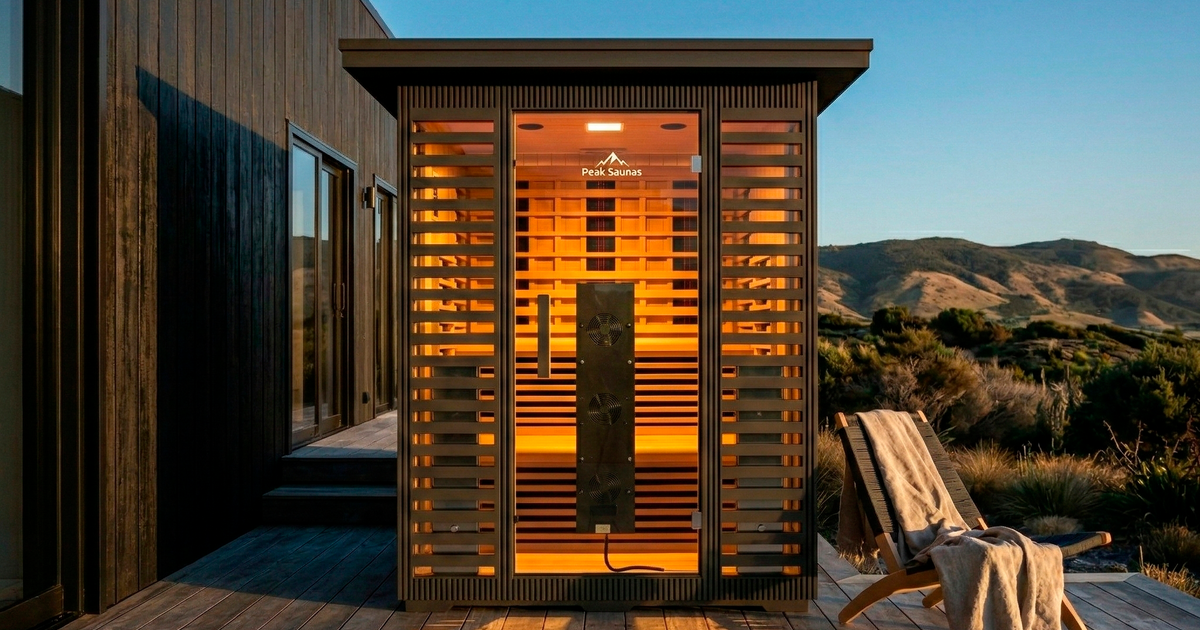
The corporate wellness industry has evolved significantly — from vending machine makeovers and lunchtime yoga to genuinely therapeutic interventions that reduce healthcare costs and improve productivity. Infrared sauna is emerging as a premium wellness amenity that forward-thinking companies are incorporating into their office environments.
This guide covers the business case, ROI evidence, implementation considerations, and how to position sauna as a workplace benefit.
The Business Case for Corporate Sauna
Healthcare Cost Reduction
US employers spend an average of $15,000+ per employee per year on healthcare. The cost drivers — cardiovascular disease, musculoskeletal disorders, mental health conditions, and metabolic disease — are precisely the areas with the strongest evidence for infrared sauna benefit:
-
Cardiovascular disease: Regular sauna use associated with 50–65% reduction in cardiovascular events in long-term Finnish studies
-
Musculoskeletal: Sauna reduces chronic pain, joint inflammation, and the musculoskeletal conditions that drive 35% of absenteeism claims
-
Mental health: Documented improvements in depression, anxiety, and stress — the leading driver of presenteeism and disability claims infrared sauna for anxiety and depression infrared sauna depression and mood
-
Metabolic disease: Improvements in insulin sensitivity and inflammation markers relevant to pre-diabetes and metabolic syndrome
Productivity and Presenteeism
Presenteeism — working while impaired — costs US employers $1,500–$2,500 per employee per year. Key drivers include chronic pain, fatigue, and stress. Regular sauna use addresses all three:
-
Pain reduction through muscle/joint heat therapy
-
Fatigue management through sleep improvement infrared sauna for better sleep
-
Stress reduction through cortisol normalization
Recruitment and Retention
In a competitive talent market, distinctive wellness amenities differentiate employers. A sauna in the office is memorable, premium, and health-positive — the kind of perk that gets mentioned in Glassdoor reviews and word-of-mouth recruiting.
Absenteeism
Regular sauna use is associated with fewer sick days through immune enhancement. The Finnish cohort studies show sauna users have measurably lower rates of respiratory infections and general illness.
Implementation Models
Dedicated Wellness Room
The most common implementation: a private room with a 1–2 person sauna that employees book in 30-minute slots. Requirements:
-
Minimum 8'x8' room (accommodates the sauna unit + 2 feet clearance)
-
240V dedicated circuit (often already present in commercial spaces)
-
Towel service or BYO towel policy
-
Booking system (simple calendar or dedicated wellness app)
Executive Suite or C-Suite Perk
Some companies install a 1-person model in an executive suite or dedicated executive wellness area. This is the lowest-barrier implementation — one unit, minimal policy overhead.
Open Wellness Center Integration
Larger offices with dedicated wellness centers (gym, meditation room, etc.) integrate sauna as an amenity. Multi-person models (2–4 person) allow pairs of employees to use it simultaneously for more throughput.
Scheduling and Policy Considerations
Session Length
30 minutes (including setup/change time) is the practical unit. Allow 15–20 min active session + 10 min for cooling, showering if available, and transition.
Booking System
Simple Google Calendar resource or any room booking tool. Limit advance booking to 1–2 days to prevent monopolization.
Towel and Hygiene Policy
-
Each user brings or receives a personal towel for the bench
-
Clean towel left on bench each session
-
Weekly sauna interior wipe-down with diluted natural cleaner or simply dry cloth
Shower Access
Preferred but not required for infrared sauna (the heat is less extreme than traditional sauna; many people don't feel the need to shower mid-day). If shower access exists nearby, signal this in the amenity description.
Privacy Policy
One user or intentional group booking at a time. Communal use (strangers sharing) is uncommon in corporate contexts.
ROI Calculation Framework
Cost inputs:
-
2-person infrared sauna: ~$4,000–$7,000
-
Installation (240V circuit): ~$300–$700
-
Annual operating cost (electricity): ~$600–$1,200/year
-
Annual maintenance/supplies: ~$200/year
Total Year 1 cost: ~$5,500–$9,000 Annual recurring (Year 2+): ~$800–$1,400/year
Benefit levers (per employee who uses it regularly):
-
Healthcare cost reduction: $500–$2,000/year potential
-
Absenteeism reduction (1–2 fewer sick days): $300–$800/year
-
Productivity/presenteeism: $500–$1,500/year
-
Retention value (assume 5% reduction in turnover for users): $2,000–$5,000/replacement cost savings
If 5 employees use it consistently, conservative benefit estimate is $5,000–$15,000/year — covering unit cost in Year 1.
Wellness Communication and Adoption
For maximum benefit, employees need to actually use it: 1. Launch announcement with research summary on benefits 2. Guided first use — a 5-minute orientation for first-time users 3. Monthly wellness challenge — "Use the sauna 3x this month" 4. Testimonials — employees sharing their experience internally 5. Manager modeling — visible use by leadership normalizes it
Considerations for Corporate Buyers
Size recommendation: 2-person for most offices — allows flexibility for paired use or single-person sessions.
Full-spectrum vs far infrared: Full-spectrum provides the broadest health benefits and is the appropriate choice for a wellness investment meant to demonstrate company commitment to employee health.
Noise/privacy: Modern infrared saunas operate near-silently. No steam, no boiling water — just radiant heat. Suitable for quiet office environments.
Peak Saunas for Corporate Wellness
Peak Saunas corporate accounts include dedicated support for multi-unit implementations and can advise on models best suited for office environments. All units include a 7-Year Residential Warranty and free shipping within the contiguous US.
Contact Peak Saunas for Corporate Pricing →


