The PEAK journal
Infrared Sauna Before or After Workout: Which Timing Is Better?
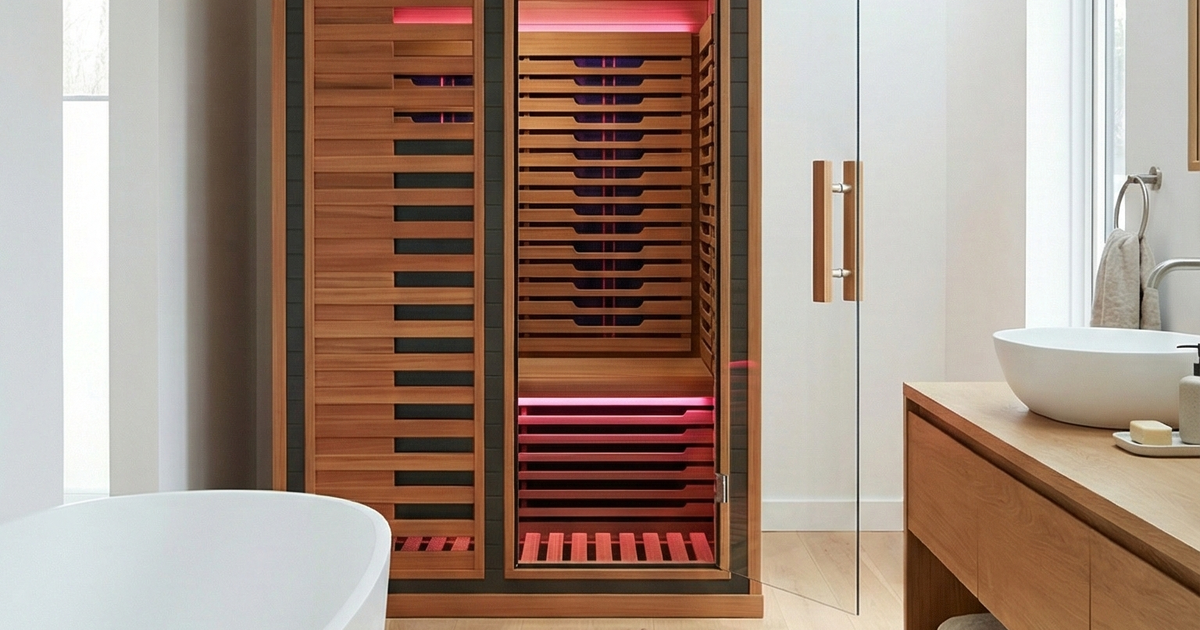
One of the most common questions from athletes and fitness enthusiasts who own a sauna: when should I use it? Before training to warm up, or after to recover? infrared sauna for athletes
The answer depends on your goal — and both timings have genuine, research-backed benefits. Here's how to choose.
Using Infrared Sauna Before a Workout sauna after workout timing guide
Benefits of Pre-Workout Sauna
1. Deep Muscle Warmup Far infrared wavelengths penetrate 1.5–3 inches into soft tissue, raising intramuscular temperature more efficiently than dynamic stretching alone. Warmer muscles are more pliable, have faster contraction speed, and are less prone to strains.
2. Increased Blood Flow Even 10–15 minutes of infrared exposure increases peripheral circulation significantly. More blood reaching muscles at the start of your session means faster oxygen delivery and metabolic byproduct clearance from the opening sets.
3. Mental Activation The mild heat stress activates the sympathetic nervous system in a controlled way — elevating alertness and focus without the jitteriness of caffeine.
4. Joint Lubrication For anyone with morning stiffness or chronic joint issues, pre-workout infrared exposure helps warm and mobilize joint synovial fluid, reducing that "cold-start" feeling.
Pre-Workout Protocol
-
Duration: 10–20 minutes (not a full session)
-
Temperature: 110–130°F (lower range — you don't want to exhaust yourself before training)
-
Timing: End sauna 15–30 minutes before your workout begins to allow partial cooling
-
Hydration: Drink 16 oz water before the session; you'll sweat before you've even lifted
When Pre-Workout Sauna Is Best
-
Morning athletes who feel stiff or cold
-
Anyone with joint issues needing warmup
-
Light training days (yoga, moderate cardio)
-
Days when you want the mental focus boost
When to Skip Pre-Workout Sauna
-
Max effort days (heavy strength training, interval sprints)
-
If you haven't eaten and are hypoglycemic-prone
-
If you've had poor sleep and energy is low
Using Infrared Sauna After a Workout
Benefits of Post-Workout Sauna
1. Accelerated Recovery Post-workout, muscles contain exercise byproducts: lactate, hydrogen ions, inflammatory cytokines. Infrared heat increases circulation to these tissues, accelerating clearance of metabolic waste and delivery of nutrients for repair. infrared sauna for muscle recovery
2. Growth Hormone Surge This is where post-workout sauna is particularly powerful. Exercise already elevates GH. When you immediately follow training with a sauna session, the cumulative GH response can be 2–5x higher than either alone. Studies show single sauna sessions can produce 5–16x baseline GH increases — combined with post-workout timing, the anabolic stimulus is significant.
3. Reduced DOMS (Delayed Onset Muscle Soreness) The far infrared heat stimulus reduces inflammatory markers (IL-6, TNF-alpha) that cause DOMS. Athletes who use post-workout sauna consistently report less 48-hour soreness.
4. Parasympathetic Activation After intense training, transitioning from sympathetic (fight-or-flight) to parasympathetic (rest-and-digest) determines recovery rate. Infrared sauna accelerates this transition through warmth, stillness, and mild endorphin release. Heart rate variability (HRV) recovers faster post-sauna than rest alone.
5. Sleep Enhancement (If Timed Right) If your workout and sauna session finish 3–4 hours before bed, the subsequent drop in core temperature signals the brain to initiate deep sleep — the most important phase for muscle repair and hormonal recovery.
Post-Workout Protocol
-
Duration: 20–35 minutes
-
Temperature: 130–150°F (full session)
-
Timing: Begin within 30–60 minutes of finishing training
-
Hydration: Critical — you've already lost fluid from training; drink 20 oz water with electrolytes before starting
When Post-Workout Sauna Is Best
-
After strength training sessions (for GH + recovery)
-
After endurance training (circulation + lactate clearance)
-
Athletes focused on muscle growth and body composition
-
Anyone managing chronic soreness or tight muscles
Head-to-Head: Pre vs Post
| Goal | Best Timing |
|---|---|
| Muscle warmup / injury prevention | Pre-workout |
| Growth hormone maximization | Post-workout |
| DOMS reduction | Post-workout |
| Joint mobility | Pre-workout |
| Mental focus | Pre-workout |
| Cardiovascular conditioning | Either |
| Sleep quality | Post-workout (3–4h before bed) |
Can You Do Both?
Yes — and some serious athletes do. A short (10–15 min) pre-workout session to warm up, followed by a full (25–35 min) post-workout session for recovery is a legitimate protocol.
The caveat: cumulative fluid loss is significant. Both sessions combined can mean 1–2 liters of sweat. Aggressive hydration with electrolytes — not just water — is essential to prevent cramping, dizziness, or performance decline.
The Infrared Advantage for Athletes
Full-spectrum infrared saunas provide all three wavelength bands:
-
Near infrared — cellular energy production (ATP synthesis), wound healing
-
Mid infrared — improved circulation and oxygen delivery to muscle tissue
-
Far infrared — deep penetration for muscle and joint recovery
This complete spectrum is why serious athletes prefer full-spectrum models over far-infrared-only units.
Peak Saunas for Athletic Recovery
Peak Saunas full-spectrum models are built with Canadian Western Red Cedar, ensuring even heat distribution and durable performance through thousands of sessions. All models include a 7-Year Residential Warranty and free shipping to the contiguous US.
Whether you're using your sauna to prime before training or recover after, Peak Saunas delivers the full-spectrum performance your body needs.
Shop Athletic Recovery Saunas →


